
Waheed Babar, CEO of Prestigian Global, Emphasizes the Importance of Digital Reputation for Growing Businesses

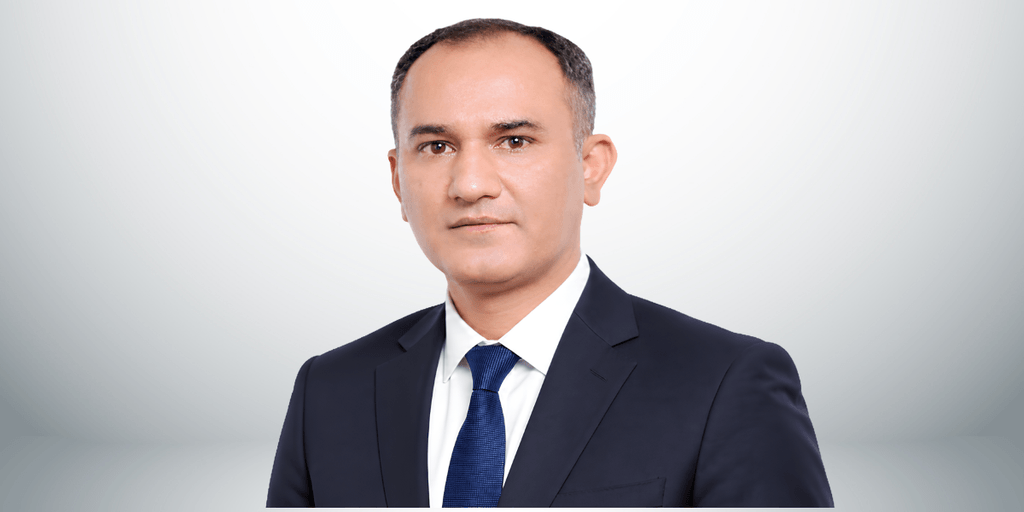
Prestigian Global CEO Waheed Babar explains why digital reputation is becoming essential for startups and growing businesses.
In today's increasingly connected business environment, reputation is no longer built solely through traditional advertising, personal networks, or physical presence. For many companies, particularly startups and small and medium-sized enterprises (SMEs), the first impression is now formed through a Google search, a company website, social media, an online article, or a professional profile.
For Waheed Babar, this transformation represents both a challenge and an opportunity for modern businesses.
Babar, who has more than a decade of consulting experience across various industries, believes that digital reputation has become an important business asset rather than simply another marketing activity.
“A business may earn trust through the quality of its work, but its digital reputation helps people discover that quality in the first place,” Babar explains.
His perspective comes at a time when Pakistan's digital ecosystem is expanding rapidly. DataReportal reported 116 million internet users in Pakistan at the beginning of 2025, alongside 66.9 million social-media user identities.
Why Digital Reputation Matters for SMEs and Startups
For established multinational companies, decades of history and brand recognition can provide an inherent degree of credibility. Startups and SMEs generally have to establish that credibility much more quickly. According to Babar, this makes digital reputation particularly important for emerging businesses.
“A startup may not have decades of history or the recognition enjoyed by a multinational corporation,” he says. “Its digital presence therefore becomes one of the first opportunities to demonstrate its expertise, achievements, leadership and values.”
The scale of the SME digital transition is already visible. A Verizon survey found that 76% of surveyed small and medium-sized businesses agreed social media positively impacts business performance, while 38% reported using AI in at least one business function.
These figures point toward an important development: simply having an online presence is becoming commonplace. The more difficult task is building a presence that communicates credibility.
From Online Visibility to Business Credibility

Babar distinguishes between visibility and credibility.
A company can generate substantial social-media exposure without necessarily establishing long-term authority. Similarly, a professionally designed website can create a strong first impression but cannot, by itself, demonstrate a company's achievements or expertise. This is where strategic digital communication becomes important.
Prestigian Global works with businesses and professionals on areas including digital media exposure, public relations, content distribution, digital marketing, branding, business positioning and strategic promotional communication. The company's website provides further information about its services at Prestigian Global.
According to Babar, reputable media coverage can complement a company's own communication channels by providing an editorial platform through which its achievements, expertise, milestones and perspectives can be communicated.
“Digital reputation should not be manufactured,” he emphasizes. “It should be built around authentic achievements, useful information, credible communication and genuine business activity.”
Consistency Is Essential
One of the challenges Babar identifies among growing businesses is inconsistency.
A company may describe its services differently on its website, LinkedIn profile, social-media channels and promotional material. In some cases, significant achievements may remain difficult to find online.
For Babar, an effective digital reputation requires consistency around several fundamental areas:
- Leadership and expertise
- Mission and values
- Products and services
- Business achievements
- Industry knowledge
- Client value
- Corporate identity
He notes that consistency does not mean publishing identical material everywhere. Instead, a business should maintain a recognizable identity while adapting its communication to different audiences and platforms.
Why International Collaboration Matters
Another important aspect of Babar's business philosophy is international collaboration.
Digital technology has made it increasingly possible for businesses in different countries to work together without being limited by geography. Babar says Prestigian Global welcomes collaborations with international businesses, agencies, entrepreneurs, consultants, media organizations and professional networks.
The reason, he explains, is not simply market expansion.
“The most valuable international partnerships are not simply about expanding a contact list; they are about combining capabilities to create something neither side could achieve as effectively alone.”
He believes international partnerships can bring together market knowledge, cultural understanding, professional networks and specialized expertise.
For businesses seeking international recognition, such relationships can also create opportunities to communicate their stories to audiences beyond their domestic markets.
The AI Factor
Artificial intelligence is introducing another major change to the digital reputation landscape.
Businesses can now generate content, analyze audiences and automate parts of their marketing operations at a speed that would have been difficult to imagine only a few years ago.
But Babar believes the growing availability of AI-generated content makes genuine expertise and credibility even more important.
“When content can be produced at unprecedented speed, businesses need to distinguish themselves through original ideas, real expertise, documented achievements and trustworthy communication,” he says.
For SMEs operating with limited marketing budgets, this could be particularly significant. Instead of attempting to replicate the enormous marketing operations of multinational corporations, smaller companies can focus their resources on targeted communication and meaningful digital assets.
The objective, Babar argues, should not simply be to publish more. It should be to publish better.
Building a Reputation That Evolves with the Business
Babar also views digital reputation as a long-term process rather than a one-time publicity campaign.
A startup's first media feature might introduce its founders and business model. Later coverage could highlight a new product, international expansion, partnership, award, research project or major milestone. Over time, these individual pieces can become part of a broader digital record of the company's development.
“The real value of digital reputation is not being seen once. It is creating a credible body of work that continues to tell your story as your business evolves.”
For SMEs and startups, this approach can be particularly useful because it allows them to gradually establish an identifiable digital history.
Pakistan's Opportunity
Babar believes Pakistan's entrepreneurs and SMEs have considerable potential to compete internationally.
The country's expanding digital economy, growing entrepreneurial ecosystem and increasing access to global markets are creating opportunities for businesses that previously faced greater geographical barriers.
However, he believes that quality products and services need to be accompanied by professional communication.
A business may have the expertise to compete internationally, but prospective customers or partners first need to be able to discover and understand that expertise. That is where digital reputation becomes strategically important.
Looking Ahead
As search technology, social platforms and artificial intelligence continue to evolve, businesses will face an increasingly crowded digital environment.
For Babar, the underlying principle remains relatively straightforward: people want to know who they are dealing with.
A strong digital reputation can help answer that question by bringing together a company's website, media presence, leadership profile, social channels, achievements and industry voice.
For Prestigian Global, the broader objective is to help businesses and professionals communicate those elements with greater clarity, reach and credibility.
“The opportunity is already here,” he says. “The next step is making sure that when the world searches for your business, your digital presence tells the story you deserve to tell.”
About Waheed Babar
Waheed Babar demonstrates more than a decade of experience as a consultant across various industries. He holds an MBA and is a socioeconomic analyst, with professional interests spanning business, economics, society, media and digital transformation. His published contributions can be explored through his author profiles at Dawn and Daily Times.
He is the CEO of Prestigian Global, a company focused on digital visibility, media exposure, marketing, branding and strategic business communication. He can be reached at media@prestigianglobal.com and LinkedIn.

CEO Times Contributor
Covers leadership, business strategy, entrepreneurship, and the people building innovative companies.
This article features partner, contributor, or branded content from a third party. Members of the CEO Times editorial staff were not involved in the creation of this content. All views and opinions are those of the contributor alone.