
LeashAgain Rescue Dog Support For The First 90 Days

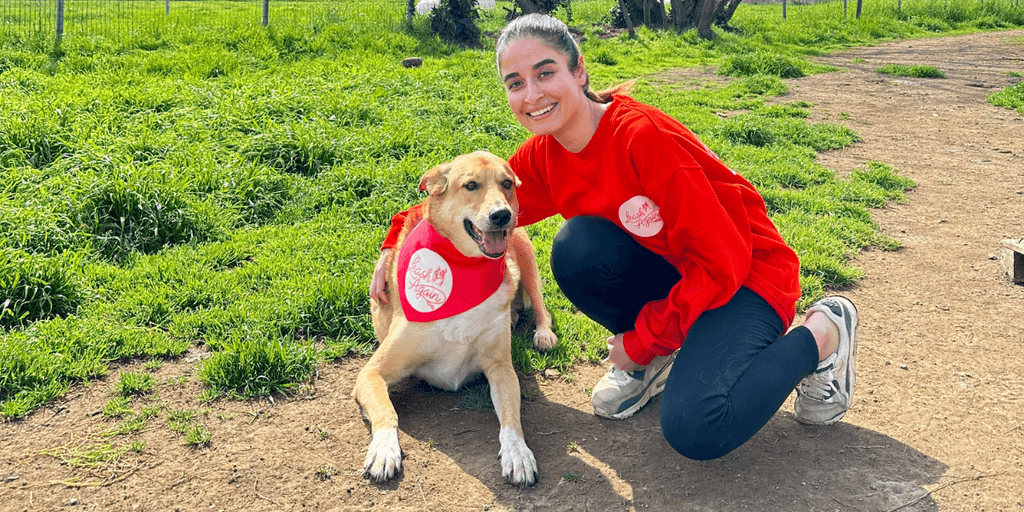
Shima Hosseini turned rescue dog hardship into a structured path for overwhelmed adopters.
The first signs did not look like a product idea. They looked like fear, exhaustion, and a leash held too tightly on a walk that could change in seconds. For Shima, rescue dog ownership brought moments of deep love and moments of painful uncertainty, including reactivity, conflict between dogs, international relocation stress, and the heavy realization that compassion alone was not enough. In those fragile months, she saw what many adopters discover too late: the hardest part of rescue often begins after the celebration. That experience became the foundation of LeashAgain rescue dog support, a behavior-focused platform built to help owners navigate the first 30-60-90 days with structure instead of guesswork.
Why LeashAgain Rescue Dog Support Begins Early
LeashAgain was founded by Shima Hosseini alongside co-founders Shimen G. and Amir A. to address a gap that sits at the center of rescue adoption. Many new owners bring home a dog with good intentions, then face behaviors they were never prepared to manage. Fear-based reactions, leash reactivity, shutdown, guarding, and environmental stress can surface quickly. The owner may search online, ask strangers for advice, or try one method after another. Meanwhile, confusion grows, routines break down, and the dog’s stress can become the family’s stress. “Most rescue dogs aren’t returned because of a lack of love, they’re returned because owners didn’t have the right structure at the right time,” Shima says.
That belief shaped LeashAgain from the beginning. It is not a general pet app built around convenience, nor is it a catalog of obedience tips. It is a behavior-first support system designed specifically for rescue-related complexity. Its core focus is the transition window after adoption, when small decisions matter and early patterns can either stabilize or spiral. Instead of leaving owners to assemble guidance from articles, videos, and comments, LeashAgain asks guided questions about the dog’s behavior, environment, routines, and known history. From there, the platform creates a personalized daily plan with exercises, tracking tools, and performance insights.
The result is clarity. For a rescue owner who feels alone, that clarity can be the difference between panic and progress. A daily plan gives the household something to follow. Tracking turns emotional impressions into visible patterns. Adaptive support helps reduce the sense that every reaction is a failure. It also creates a more useful bridge to professional help, because owners can better describe what is happening, when it happens, and what has already been tried.
From Lived Experience To Structured Innovation
Shima’s path to LeashAgain did not begin with a pitch deck. It began with survival, responsibility, and the emotional cost of not knowing what to do next. “LeashAgain wasn’t built in a boardroom. It was built from survival,” she says. That lived experience matters because rescue dog behavior is rarely simple. A dog that lunges on a leash may not be disobedient. A dog that shuts down in a hallway may not be stubborn. A dog that reacts to other dogs may be carrying fear, stress, or confusion from a history the owner may never fully know.
This is where LeashAgain’s design becomes distinct. The platform uses a structured 30-60-90 day transition system rather than open-ended advice. The first stage centers on safety, observation, consistency, and routine. The next stage helps the owner understand patterns and build targeted exercises. The later stage supports progress tracking and long-term behavior planning. The goal is not a dramatic overnight change. It is a steady, humane momentum that gives both dog and owner a more stable foundation.
LeashAgain rescue dog support also reflects a trauma-informed philosophy. That does not mean making medical or psychological promises. It means recognizing that many rescue dogs arrive with stress histories that demand patience, structure, and realistic expectations. The platform is built for owners who need guidance before a situation reaches a crisis point. It helps them slow down, document what they see, and work through small daily actions that support better decision-making.
For Shima, that structure has a personal dimension. She knows the isolation of feeling responsible for dogs she loved while not having a clear map. She also knows the shame many owners feel when behavior problems become visible in public. LeashAgain aims to replace that shame with preparedness. “Responsible ownership shouldn’t feel isolating. Structure changes everything,” she says. That sentence captures the company’s deeper mission. It is serving dogs, but it is also serving the people who are trying to do right by them.
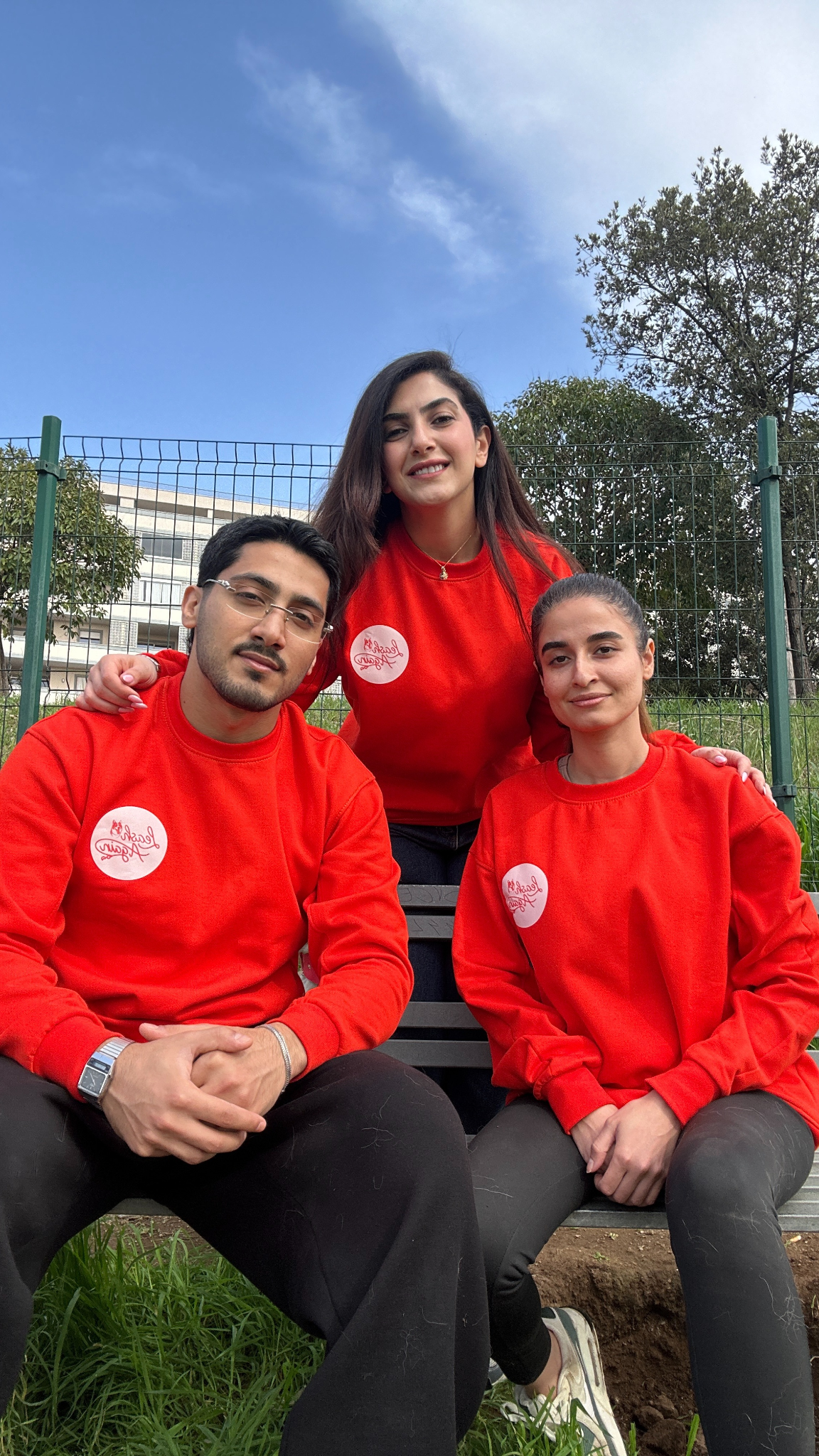
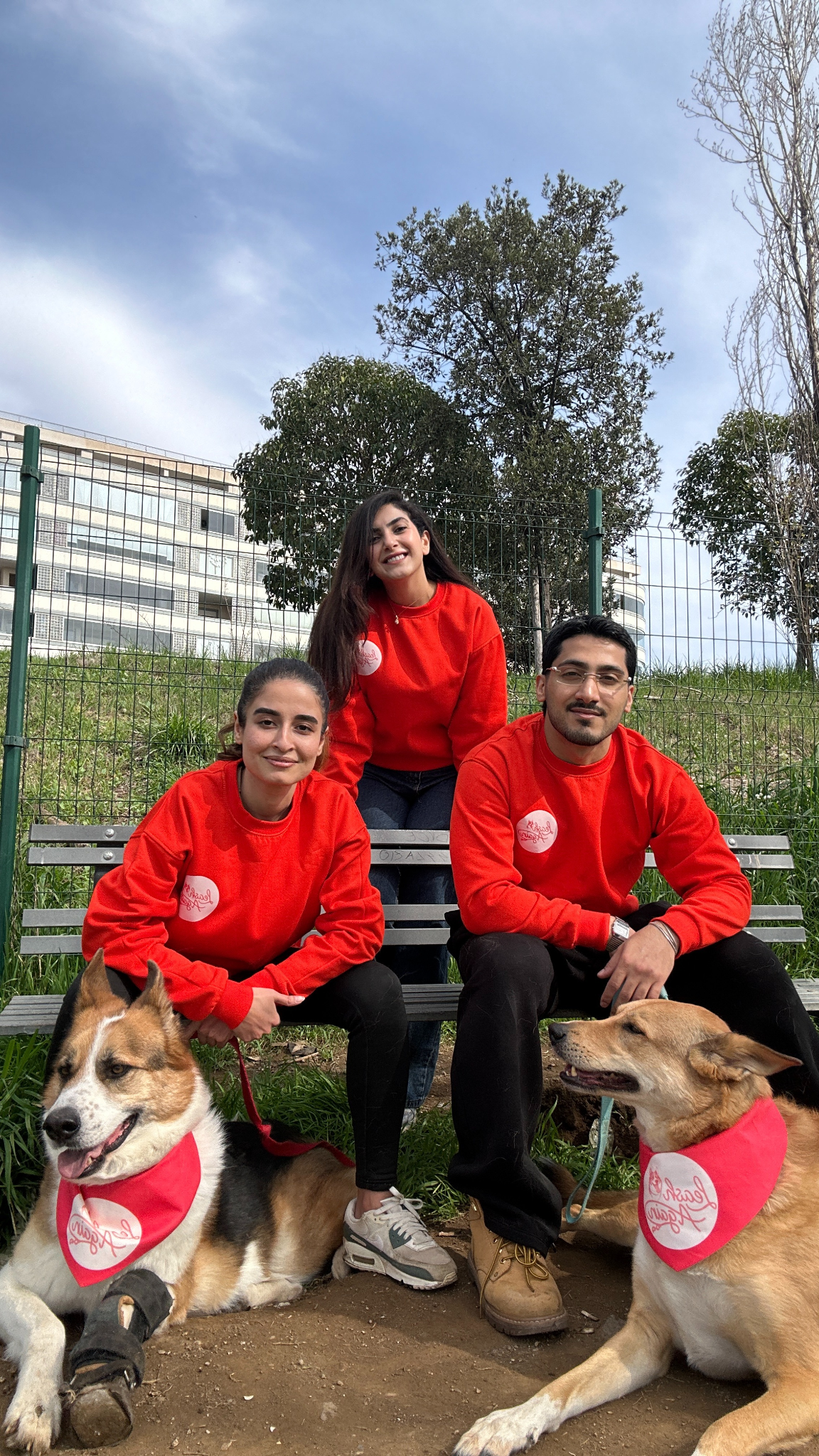
The founding team brings together lived experience, strategic design thinking, and technical development. Shima’s perspective keeps the product grounded in the emotional reality of ownership. Shimen G. and Amir A. contribute the design and technical discipline needed to transform that reality into a scalable tool.
How Structure Helps Owners Move Beyond Guesswork
What sets LeashAgain apart is its insistence that behavior support should be measurable. Many owners judge progress by memory, mood, or the most recent difficult walk. That can make a hard day feel like total failure. LeashAgain encourages users to track behavior over time, observe triggers, and follow a plan with enough consistency to see patterns. This does not replace professional training. It makes professional guidance easier to use. “We’re not replacing trainers. We’re bridging the gap between owners, trainers, and consistent daily implementation,” Shima says.
That bridge is important. Ethical trainers can play a vital role, but many owners do not know when to seek help, what kind of help to look for, or how to maintain training between sessions. LeashAgain rescue dog support is designed as a connective layer between the home and the professional world. The long-term vision is to develop a trusted ecosystem that connects rescue dog owners with qualified trainers and behavior professionals while keeping daily progress visible and organized.
In a crowded pet technology market, LeashAgain’s narrow focus is its strength. Many platforms treat pet ownership as a lifestyle category. LeashAgain treats rescue transition as a high-risk behavioral period that deserves dedicated support. Most competitors offer information. LeashAgain offers structure. Most platforms teach commands. LeashAgain guides transformation through routine, tracking, and practical daily implementation.
That distinction matters because the stakes are emotional and real. When an adoption breaks down, families grieve, dogs lose stability, and rescue organizations face added pressure. LeashAgain cannot remove every challenge, and it does not promise instant results. What it does offer is a more organized way to respond before confusion becomes surrender. It gives owners a stronger sense of what to do today, what to watch tomorrow, and how to measure change over time.
LeashAgain is still in its early growth stage, yet its purpose is already clear. It is building a behavioral support system for the owners who love their rescue dogs but need more than encouragement. They need tools, timing, and a plan. For adopters, shelters, trainers, and rescue advocates who believe every successful transition begins with better preparation, LeashAgain offers a practical place to start.
Explore More About LeashAgain
Connect with LeashAgain and the people shaping its mission. Explore the LeashAgain LinkedIn page for company updates, insights, and milestones. You can also connect with Shimen Gevargiz and Amir Mehdi Amoozaadeh on LinkedIn to learn more about the people behind the vision. For stories, updates, and a closer look at the growing community, follow LeashAgain on Instagram.

CEO Times Contributor
Covers business, innovation, and leadership, with a particular interest in entrepreneurs and emerging brands.
This article features partner, contributor, or branded content from a third party. Members of the CEO Times editorial staff were not involved in the creation of this content. All views and opinions are those of the contributor alone.