Kinda Grant on Why Healthcare Workforce Problems Need More Than Training


Kinda Grant argues that healthcare leaders must understand the real cause of workforce problems before choosing a solution.
A familiar scene plays out in healthcare organizations every year. Turnover rises, morale slips, and communication between managers and teams frays. Leaders respond quickly and decisively. They schedule a workshop. The room fills, the slides are shared, and everyone returns to work. Months later, the same problems quietly return.
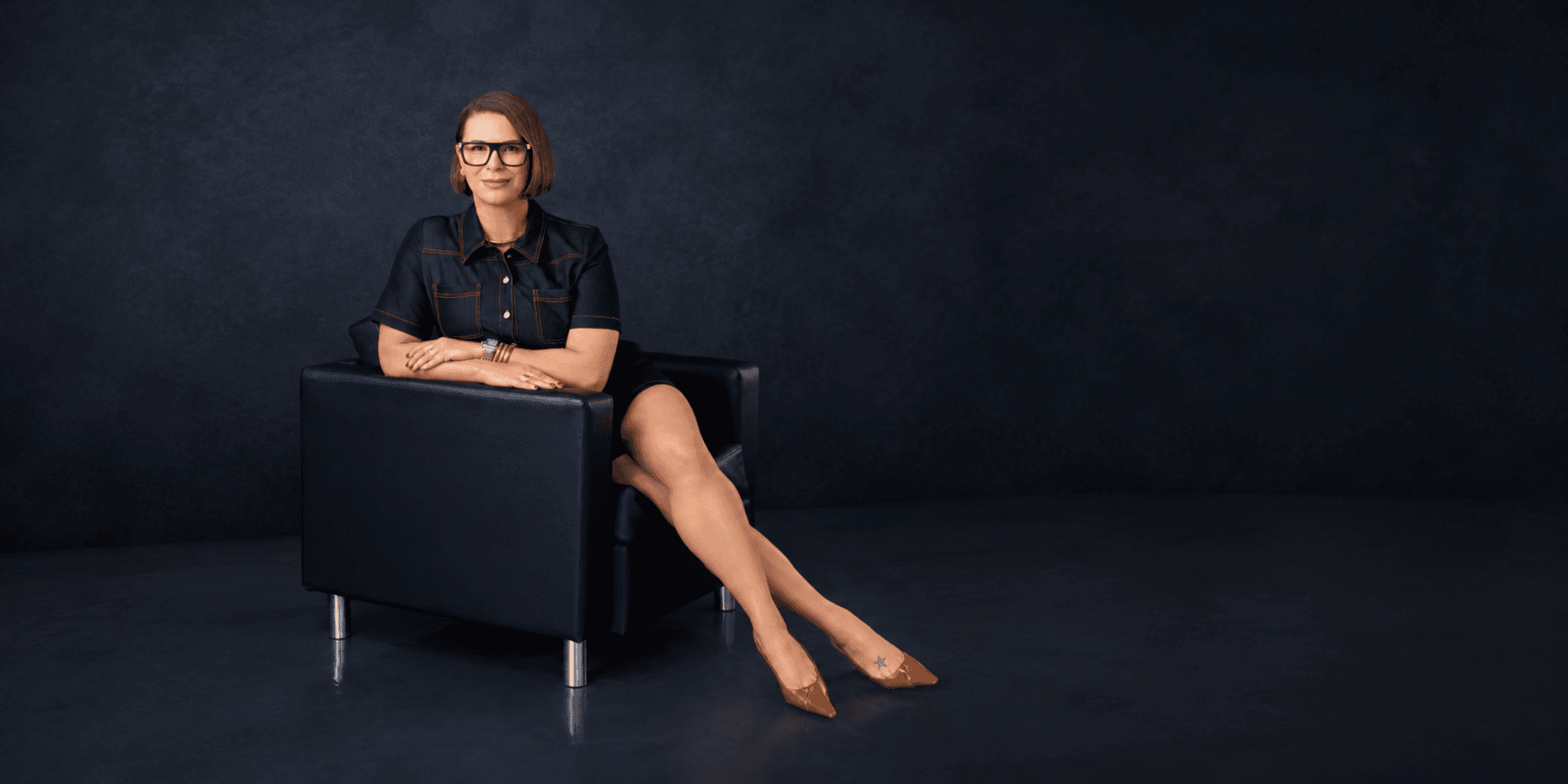
Kinda Grant, MBA, has watched this pattern with a practitioner's eye. As founder and principal consultant of Grant Health Leadership Group (GHLG), she believes the instinct to train first is understandable but often misplaced. "Not every workforce problem is a training problem," she says. "Before prescribing an intervention, leaders need to understand what is actually driving the issue."
From Global Finance to Healthcare Leadership
Grant did not begin her career in healthcare consulting. She spent more than a decade in senior Talent Development, Learning, and leadership-development roles inside complex global organizations. Her résumé includes Vice President positions at BMO Capital Markets and Bank of America Merrill Lynch.
In those roles, she designed and led enterprise learning strategies, leadership-development programs, and manager capability initiatives. She also built competency models, technology-enabled learning solutions, and large-scale workforce-development efforts. At BMO Capital Markets, she helped implement and strengthen adoption of the Docebo learning platform. That work contributed to a 34% increase in usage and brought learning more deliberately into employee development and performance conversations.
That experience taught her how leadership behavior shapes the way people experience work. It also showed her how often organizations reach for a program when the real need lies elsewhere.
A Personal Connection to Care
Healthcare was never unfamiliar territory for Grant. Her late mother was a nurse, and her brother is a dentist. Healthcare environments were part of her world long before she entered the consulting field.
That connection shaped her decision to build GHLG. She chose to bring her enterprise leadership-development experience to organizations where the stakes of workplace quality reach well beyond the balance sheet. In healthcare, the way a workplace functions affects the people who deliver care and the communities they serve.
Her focus is the human side of organizational performance. She looks at how managers lead, how teams communicate, how employees experience the workplace, and why talented people ultimately choose to stay or leave.
Leadership Is Part of the Employee Experience
Many organizations treat leadership development and employee experience as separate initiatives. Grant sees them as connected. "Strong leadership is not separate from employee experience," she says. "Leadership is one of the ways employees experience the organization."
This view reframes the conversation about employee retention. Policies, benefits, and programs matter, but employees feel the organization most directly through their managers. Clear communication, fair accountability, and trust shape whether people feel supported and engaged. Those daily experiences, in turn, influence whether they stay.
"Retention does not begin with the exit interview," Grant says. "It begins with the leadership experiences employees have every day."
For healthcare executives, that insight carries practical weight. Manager effectiveness becomes a strategic concern, not a soft skill to address when time allows.

A Problem-First Approach
What sets GHLG apart is where it starts. The firm does not open with a predetermined training solution. It opens with the workforce problem itself. GHLG’s focus is organizational and workforce-centered, not clinical.
Hospitals, health systems, senior-care organizations, community health providers, and behavioral health organizations often face challenges such as turnover, low morale, poor communication, ineffective management, or conflict. GHLG first works to clarify what is happening. It then assesses the factors contributing to the issue and determines which intervention fits the need.
That intervention may be leadership development. It may also be advisory support, stronger communication and accountability practices, workforce strategy, or a broader organizational response. The right response depends on what the assessment reveals.
The C.A.R.E. Workforce Performance Method
GHLG gives this philosophy structure through its signature C.A.R.E. Workforce Performance Method: Clarify, Assess, Respond, Embed & Evaluate.
The method asks leaders to clarify the challenge and the people affected. It then calls for an assessment of the behaviors and systems that may be contributing to the problem. Only then does the work move to a response. From there, the focus turns to embedding new practices and evaluating whether meaningful progress is occurring.
This sequence helps organizations identify the right intervention, strengthen leadership capability, and support employee experience. It also keeps attention on measurement, so progress is not left to assumption.
GHLG's services reflect that range. They include the Workforce Performance Diagnostic, leadership and retention consulting, leadership advisory and coaching, customized workshops and workshop series, frontline readiness train-the-trainer programs, and ongoing strategic workforce advisory.
Beyond the One-Time Workshop
Grant is candid about the limits of isolated training. Workshops can be valuable, but they work best when they answer a clearly defined need and connect to the systems around them.
"The goal is not to deliver another workshop and walk away," she says. "The goal is to help organizations strengthen the behaviors, systems, and leadership practices that shape the workplace every day."
This focus on sustainable improvement reflects the belief on which GHLG was founded. "Stronger leaders create stronger teams, and stronger teams contribute to better care environments," Grant says.
Beyond her consulting work, Grant is an Executive Contributor with Brainz Magazine. There she writes about healthcare leadership, manager effectiveness, employee experience, and retention.
Start With the Right Question
For healthcare executives, HR and Talent leaders, and organizational-development professionals, the most valuable first step may not be choosing a program. It may be asking a better question: what is actually driving this challenge?
Grant Health Leadership Group offers a thoughtful, problem-first path toward that answer. To learn more about Grant Health Leadership Group and the C.A.R.E. Workforce Performance Method, visit kindagrant.com or connect with Kinda Grant on LinkedIn.

CEO Times Contributor
Covers business, innovation, and leadership, with a particular interest in entrepreneurs and emerging brands.
This article features partner, contributor, or branded content from a third party. Members of the CEO Times editorial staff were not involved in the creation of this content. All views and opinions are those of the contributor alone.