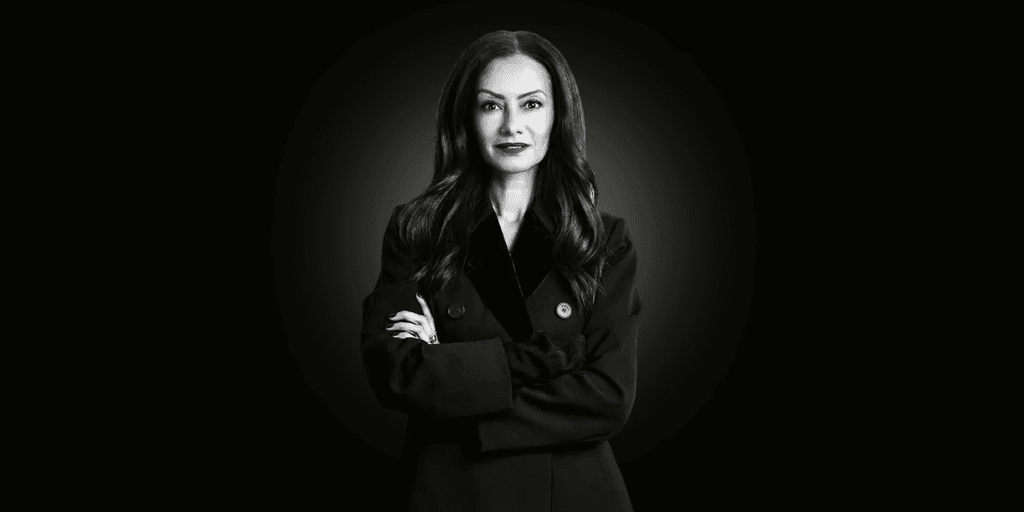
Meta Poaches Apple’s AI Chief Ruoming Pang Amid Escalating Silicon Valley Talent War


Meta Platforms has landed a significant talent coup in the tech industry’s intensifying AI race, recruiting Ruoming Pang, the former head of foundational AI models at Apple. The move, confirmed on June 3, 2025, signals Meta’s growing ambitions in the artificial intelligence arena and underscores the fierce competition for top-tier AI talent among Silicon Valley’s biggest players.
Pang, who led a team of approximately 100 engineers at Apple, has joined Meta’s newly launched Superintelligence Lab—a research unit tasked with developing next-generation AI systems. The lab, announced earlier this year by Meta CEO Mark Zuckerberg, is part of a sweeping initiative to position Meta at the forefront of artificial general intelligence (AGI). In doing so, the company has been offering eye-popping compensation packages reportedly reaching into the tens of millions annually for select hires.
Sources close to the matter say Pang’s decision to leave Apple was influenced by internal tensions over the company’s AI direction. Specifically, Apple has been grappling with whether to continue investing in proprietary AI models or deepen partnerships with external AI labs such as OpenAI and Anthropic. This strategic uncertainty has reportedly strained morale within Apple’s AI division, leading to multiple high-level departures. Notably, Pang’s second-in-command also resigned just weeks prior to his own exit.
With Pang’s departure, Apple has promoted longtime executive Zhifeng Chen to head its foundational AI efforts. Chen will operate under the oversight of Craig Federighi, Apple’s Senior Vice President of Software Engineering, and Mike Rockwell, who leads the company’s Vision Products Group. The leadership reshuffle aims to stabilize Apple’s AI development operations amid growing external and internal pressures.
Meta, meanwhile, is moving swiftly to consolidate its AI leadership. The Superintelligence Lab is jointly helmed by former GitHub CEO Nat Friedman and ex-Scale AI founder Alexandr Wang. The lab’s formation has prompted a string of high-profile hires from OpenAI, Google DeepMind, and now Apple—demonstrating Meta’s commitment to building a world-class AI research team.
Meta’s strategy stands in contrast to Apple’s more privacy-centric and on-device approach to AI. While Apple’s recently announced “Apple Intelligence” platform focuses on user privacy and offline functionality, Meta is betting heavily on cloud-based infrastructure and large-scale AI models capable of powering more generalized applications. Zuckerberg has been vocal about his intention to make Meta the leader in open-source AI development, positioning the company as a counterbalance to more closed systems.
The rivalry between Meta and Apple has broadened beyond hardware and advertising into the critical domain of artificial intelligence. The two companies now represent divergent philosophies on how AI should be developed and deployed—Apple favoring privacy and user control, Meta emphasizing scale and openness.
Industry analysts say Pang’s departure could pose a challenge for Apple as it attempts to scale its in-house AI capabilities and catch up to faster-moving rivals. “Losing someone of Pang’s caliber—especially to a direct competitor—creates not just a talent vacuum but also strategic disruption,” said Daniel Ives, a tech analyst at Wedbush Securities. “Apple now faces real questions about how committed it is to building world-class AI in-house.”
Still, Apple continues to roll out AI-driven features across its product line. At WWDC 2025, the company introduced new capabilities under the “Apple Intelligence” banner, including on-device Genmoji creation, real-time translation, and smarter visual recognition tools. However, delays in overhauling Siri—citing quality and reliability concerns—have raised further doubts about the pace of Apple’s AI evolution.
As tech giants pour billions into AI research and vie for limited pools of experienced talent, high-profile exits like Pang’s will likely continue. The battle for AI dominance is no longer confined to product innovation—it now hinges on who can attract, retain, and empower the people building the future of intelligent systems.

CEO Times Contributor
Covers business, innovation, and leadership, with a particular interest in entrepreneurs and emerging brands.
This article features partner, contributor, or branded content from a third party. Members of the CEO Times editorial staff were not involved in the creation of this content. All views and opinions are those of the contributor alone.