
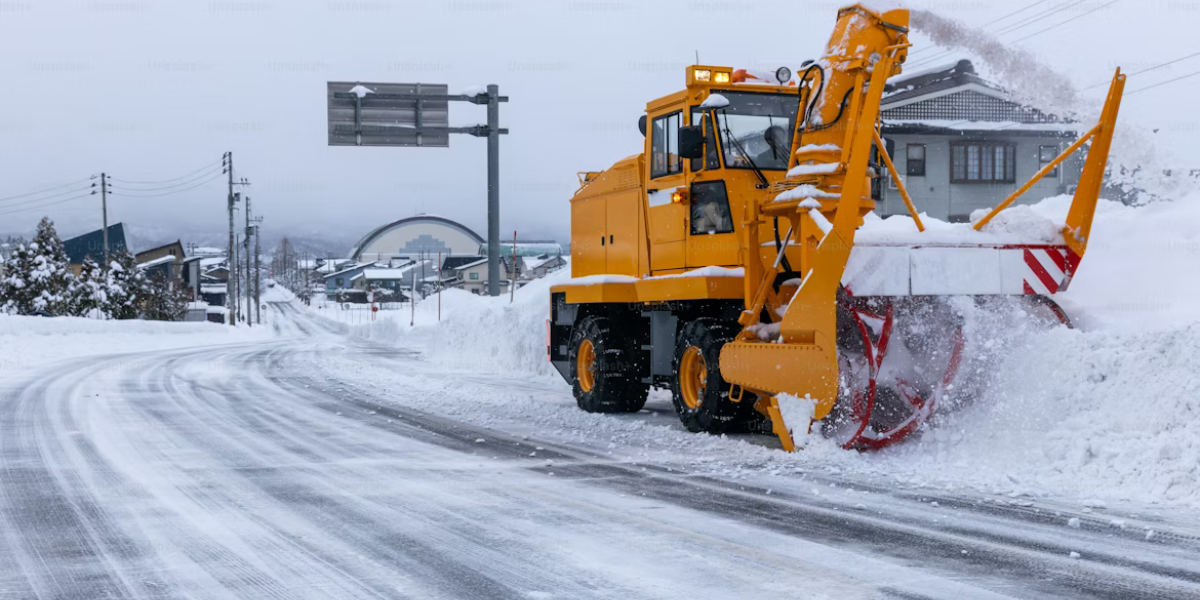
On February 24, 2026, the United States confronted one of the most severe winter weather events in recent history as a powerful blizzard swept across the Northeastern states, triggering widespread disruption to travel, commerce, and daily life. The February 2026 North American blizzard brought heavy snowfall, hurricane-force wind gusts, and coastal flooding from February 22 through February 24, leaving significant impacts on regional economies and critical infrastructure.
The storm’s intensity and reach made it a defining event of the winter season. Snowfall totals exceeded 30 inches in multiple areas, with some regions approaching nearly 40 inches. Coastal wind gusts neared 100 miles per hour, creating whiteout conditions and extensive snowdrifts. Authorities across several states reported fatalities linked to the storm, while more than half a million utility customers experienced power outages at the height of the event.
Major metropolitan areas including Boston, New York City, and Providence faced transportation shutdowns as state and local officials implemented travel bans and emergency measures. Airports throughout the Northeast canceled or delayed hundreds of flights, and rail service experienced significant disruptions. Highways were temporarily closed in several regions due to unsafe conditions and limited visibility.
Business and Economic Impact
The storm’s timing presented acute challenges for the business community, particularly within the Northeast corridor, a vital hub for finance, technology, healthcare, logistics, and professional services. Companies across sectors activated business continuity plans to maintain operations amid widespread infrastructure strain.
Retailers experienced sharp declines in in-store traffic as consumers remained home during peak snowfall periods. Restaurants and hospitality businesses reported lost revenue due to closures and canceled reservations. For small and mid-sized enterprises operating on thin margins, even a few days of inactivity can have measurable financial consequences.
At the same time, digital commerce and delivery services saw elevated demand as households turned to online ordering for essentials. Businesses with established e-commerce channels, curbside pickup capabilities, or remote customer support operations were better positioned to offset in-person losses.
Manufacturing and distribution networks also felt the strain. Delays in freight movement, warehouse operations, and last-mile delivery created bottlenecks in supply chains. Companies relying on just-in-time inventory systems encountered temporary setbacks, highlighting the operational risks associated with weather-dependent logistics networks.
Energy utilities faced particularly intense pressure. Heavy snow and strong winds damaged power lines and substations, leading to extensive outages. Restoration efforts were complicated by road closures and hazardous conditions. The surge in heating demand during sub-freezing temperatures added additional load to already stressed systems, underscoring the importance of grid resilience and infrastructure modernization.
Leadership and Strategic Takeaways
For executives and corporate leaders, the February 24 blizzard reinforces several key strategic lessons.
Resilience as a Core Business Priority
Extreme weather events are increasingly central to risk management planning. Organizations are expanding investments in backup systems, distributed operations, and infrastructure hardening. Resilience planning is no longer confined to emergency response; it is a long-term capital allocation decision tied to operational stability.
Workforce Flexibility as a Competitive Advantage
Companies that maintained robust hybrid or remote work frameworks were able to sustain productivity despite office closures. Cloud-based systems, secure remote access, and cross-trained teams enabled continuity during the disruption. Firms without flexible models faced greater operational slowdowns.
Supply Chain Diversification
The storm highlighted the vulnerabilities inherent in concentrated logistics networks. Businesses are increasingly evaluating diversified supplier bases, regional warehousing strategies, and inventory buffers to mitigate disruption risk.
Data-Driven Decision Making
Access to real-time weather data and predictive analytics allowed many companies to implement preemptive measures, including adjusted staffing, inventory repositioning, and early communication with customers and partners. Proactive planning proved critical in minimizing operational downtime.
Recovery and Outlook
As of February 24, cleanup operations were ongoing across affected states. Emergency declarations enabled federal and state assistance to accelerate recovery efforts. Transportation systems began gradual reopening, and utility crews continued restoring service to impacted communities.
While the financial impact of the storm will be measured in the weeks ahead, the broader implications are clear. Severe weather events are increasingly intertwined with economic performance and corporate strategy. Organizations that treat climate-related disruptions as recurring business variables, rather than isolated incidents, are better equipped to safeguard both revenue and reputation.
The February 2026 blizzard stands as a reminder that operational resilience, infrastructure investment, and adaptive leadership are not optional safeguards but essential components of modern enterprise strategy.