U.S. Markets Surge as Progress Seen Toward Government Funding Deal, Boosting Corporate Strategic Planning


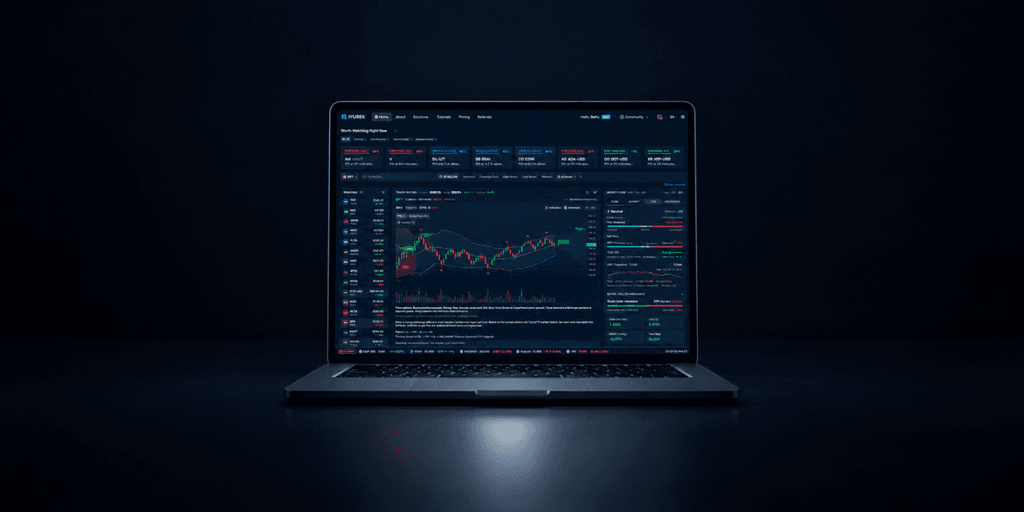
U.S. equities experienced a significant rally following the news that the United States Senate had advanced crucial legislation aimed at ending the ongoing federal government shutdown. This development provided much-needed clarity for businesses, especially those reliant on government contracts and federal spending. The Senate’s decision to advance a continuing resolution to reopen the government signaled a potential end to the prolonged shutdown, which had created a challenging environment for corporate planning and operations across a wide range of industries.
For many companies, particularly those involved in government contracting or other sectors that depend heavily on federal timelines, this progress marked an important turning point. The uncertainty caused by the shutdown had led many corporations to hold off on long-term investments, hiring decisions, and expansion plans, as they awaited clarity on government operations. With the Senate’s action, there is now renewed confidence among business leaders, and many are reassessing their strategies in light of the expected return to normal government functions.
As a result, strategic planning among corporations has taken a sharp turn. Many companies that had previously been in a holding pattern, waiting for federal data releases, procurement timelines, and workforce hiring to resume, are now re-aligning their internal models. This shift is particularly significant for firms in industries like defense, technology, infrastructure, and healthcare, all of which rely on federal contracts and spending decisions that had been delayed during the shutdown. With government operations expected to restart soon, businesses are recalibrating their plans to account for new timelines, reopening recruitment processes, and resuming projects that had been put on hold.
Additionally, the focus on scenario planning has intensified. Given the unpredictable nature of the shutdown, businesses are increasingly using scenario-based forecasting to prepare for potential future disruptions or changes in government policy. These scenario plans allow businesses to quickly adapt to evolving conditions, ensuring that they can remain agile even as the political landscape shifts. Corporate leaders are emphasizing flexibility in their approaches to supply chains, workforce management, and procurement strategies in anticipation of the changes that will follow the government’s reopening.
This renewed sense of stability has not only calmed the markets but has also provided a clearer path forward for corporate executives and investors. With the government shutdown nearing its end, businesses are optimistic about the future, and stock markets have responded positively. The momentum in the markets on November 9, 2025, underscores the importance of government stability in shaping broader economic conditions. As the shutdown ends, it is expected that many sectors will see a boost in confidence, helping to drive long-term economic growth and encouraging investment in critical sectors that rely on federal spending.
In conclusion, the Senate’s progress toward reopening the government represents a crucial milestone in restoring business confidence and economic stability. With government operations set to resume, corporations can now move forward with their strategic planning, using the certainty of a government-funded future to guide their decisions. As companies update their internal models and emphasize scenario planning, the hope is that the economic momentum created by this resolution will carry into the coming months, fostering growth across a range of industries.
Read Also: https://ceotimes.com/u-s-stock-markets-soar-to-new-heights-driven-by-economic-optimism/

CEO Times Contributor
Covers business, innovation, and leadership, with a particular interest in entrepreneurs and emerging brands.
This article features partner, contributor, or branded content from a third party. Members of the CEO Times editorial staff were not involved in the creation of this content. All views and opinions are those of the contributor alone.