
Target Reports Strongest Sales Growth in Four Years as Turnaround Strategy Gains Momentum

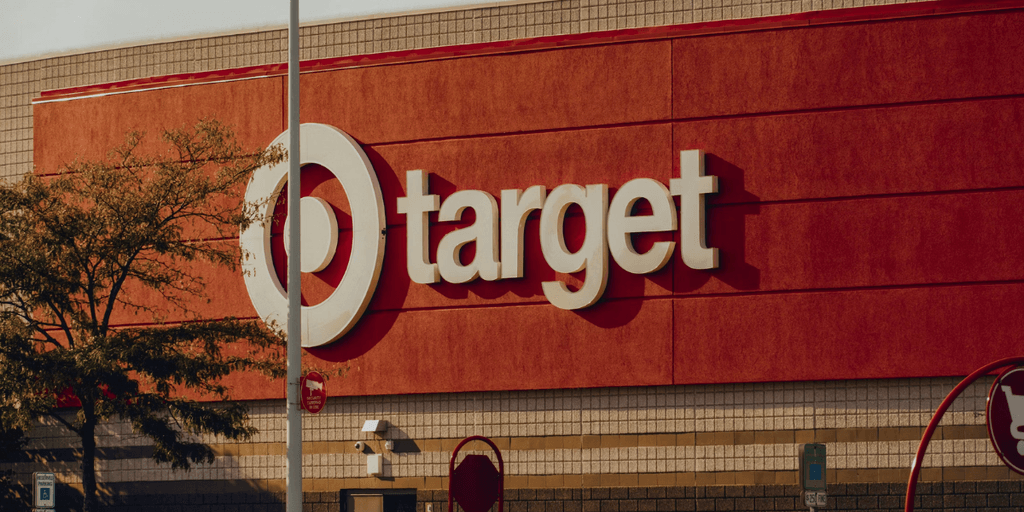
Retail giant Target delivered one of the most closely watched corporate updates in the United States on May 21, 2026, reporting its strongest quarterly comparable sales growth since early 2022 while signaling renewed confidence in its long-term business strategy. The earnings announcement drew attention across the retail and investment sectors because it highlighted how a major U.S. company is adapting to changing consumer behavior, inflation pressures, and the growing importance of operational efficiency.
Target reported a 5.6% increase in comparable sales for the quarter ending May 2, surpassing analyst expectations and marking a significant recovery after several quarters of uneven consumer demand. The company also raised its full-year sales and earnings guidance, reflecting optimism about the effectiveness of its turnaround initiatives.
The company’s latest performance is especially notable because many large retailers have faced slower discretionary spending from consumers over the past two years. Higher living costs, changing shopping habits, and increased competition from e-commerce and discount chains have forced retailers to rethink pricing, inventory management, and customer experience strategies.
According to Target executives, the recent growth was driven by refreshed merchandise assortments, redesigned store layouts, and stronger demand in categories such as toys, baby products, and health-related goods. The company also emphasized investments in customer service and in-store experiences, which leadership believes are helping rebuild customer loyalty.
Chief Executive Officer Michael Fiddelke stated during the earnings presentation that sales improvements were being supported by a broad range of shoppers rather than a single income segment. That trend is important for executives and investors because it suggests Target’s recovery may be more sustainable than short-term promotional gains.
Despite the strong sales figures, the company also delivered a cautious message to markets. Net income declined nearly 25% compared with the previous year, largely due to expenses tied to the company’s ongoing transformation efforts. Management warned that the second half of 2026 could present tougher comparisons and more uncertain consumer spending conditions.
Investors responded cautiously, with shares declining after the earnings release despite the better-than-expected results. Analysts noted that markets remain highly sensitive to consumer sentiment and operating costs, especially in sectors dependent on discretionary spending.
For business leaders, Target’s performance offers a broader lesson about corporate adaptation during periods of economic uncertainty. Rather than relying solely on cost-cutting measures, the company has focused heavily on improving the customer experience while modernizing operations. This approach reflects a growing trend among major corporations seeking long-term resilience instead of short-term profitability alone.
The retail sector in particular has become a testing ground for corporate strategy in 2026. Companies are balancing technology investments, supply chain optimization, and workforce efficiency while also responding to consumers who are more selective about spending. Industry observers say retailers that successfully combine operational discipline with brand engagement are more likely to outperform competitors in the current environment.
Target’s results also arrived amid wider conversations about restructuring and efficiency across corporate America. Several large companies in technology, finance, and retail have announced operational streamlining initiatives this year as executives seek to manage costs and increase productivity.
At the same time, many organizations are increasing investments in artificial intelligence and digital infrastructure to improve decision-making and automate repetitive tasks. Analysts from major consulting and financial firms have noted that leadership teams are increasingly prioritizing focused, enterprise-wide transformation strategies rather than isolated technology projects.
Target’s recovery efforts align with this broader corporate shift. The retailer has expanded digital integration across its stores and supply chain while continuing to refine inventory forecasting and fulfillment capabilities. Executives believe those operational improvements are helping the company respond more quickly to changing consumer trends.
The earnings report also highlights the importance of executive leadership during transition periods. Corporate analysts frequently point to clear strategic communication and consistent operational execution as key factors in restoring investor confidence. In Target’s case, leadership has attempted to reassure shareholders that the company’s recent investments are designed to create sustainable growth rather than temporary gains.
Business strategists say the retailer’s performance could influence how other large consumer brands approach the remainder of 2026. Companies across the retail sector are closely monitoring demand patterns, pricing sensitivity, and consumer confidence indicators as concerns about economic volatility continue.
While uncertainties remain, Target’s latest quarter demonstrated that large established retailers can still achieve growth by adapting quickly and staying closely aligned with customer expectations. The company’s results may not eliminate concerns about the broader economy, but they do provide a case study in how strategic reinvestment, operational flexibility, and leadership execution can support recovery in a highly competitive market.
For executives and business decision-makers, the takeaway is clear. Companies that combine disciplined operations with customer-focused innovation may be better positioned to navigate the evolving economic environment and sustain long-term growth in 2026.

CEO Times Contributor
Covers business, innovation, and leadership, with a particular interest in entrepreneurs and emerging brands.
This article features partner, contributor, or branded content from a third party. Members of the CEO Times editorial staff were not involved in the creation of this content. All views and opinions are those of the contributor alone.