
U.S. Manufacturing Activity Rebounds in February, Boosted by Durable Goods Orders

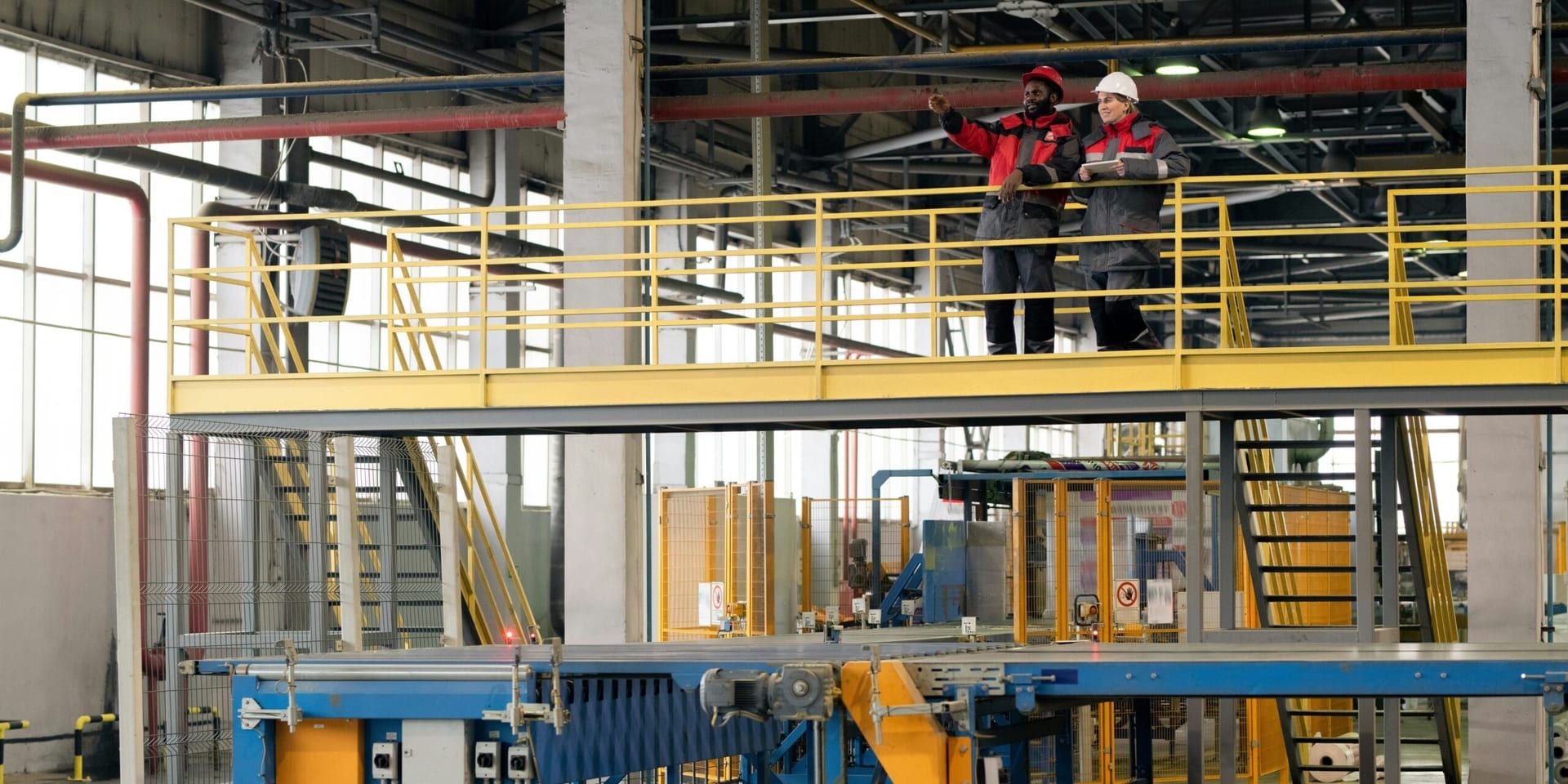
U.S. manufacturing showed signs of recovery in February, as the Institute for Supply Management’s (ISM) Manufacturing PMI rose to 50.3, the first reading above the neutral 50 threshold in more than a year. This signals a shift into modest expansion after 27 consecutive months of contraction. Durable goods orders also rose by 0.9%, surpassing expectations and continuing January’s upward momentum. The gains were largely driven by strong performances in the transportation and metals sectors, as businesses moved to secure materials and equipment ahead of anticipated tariffs.
The ISM Manufacturing Index’s improvement, although slight, reflects renewed activity across the sector. Manufacturing had been weighed down by inflation, shifting global trade policies, and post-pandemic demand fluctuations. February’s durable goods data suggests renewed business confidence. Transportation equipment, in particular, saw a 1.5% increase, with motor vehicles and parts climbing 4%, the strongest gain in nearly three years. Primary and fabricated metals also posted solid gains, while electrical equipment rose 2.0%, adding breadth to the sector’s rebound.
Much of the increase in orders appears tied to expectations of new tariffs. Businesses accelerated purchases in anticipation of costlier imports, particularly for steel and aluminum. This “front-loading” effect was reported across manufacturing surveys and aligns with prior behavior observed during tariff rollouts in 2018. While this surge may not fully reflect sustainable demand, it highlights the influence of trade policy on short-term business decisions.
At the same time, inflationary pressures remain a concern. The ISM’s Prices Paid index jumped to 62.4%, its highest level since mid-2022. Rising costs for raw materials and extended supplier delivery times pose ongoing challenges for manufacturers. Companies are balancing the need to build up inventories ahead of price hikes while managing tighter margins. These pressures could also influence future investment decisions, as firms weigh the cost of inputs against the benefits of new production capacity.
Despite the solid performance in durable goods orders, not all indicators pointed to robust capital investment. Core capital goods orders—excluding transportation and defense—declined by 0.3% in February. This drop may signal lingering caution among businesses regarding long-term investment. However, shipments of core capital goods rose by 0.9%, suggesting that while firms may not be placing new orders at previous levels, they are still receiving and installing previously ordered equipment.
Industrial production also increased by 0.7%, fueled by an 8.5% rise in vehicle manufacturing. This suggests that factory output is regaining momentum after months of stagnation. Still, the outlook remains uncertain. Manufacturers must continue to navigate global supply chain disruptions, evolving trade policies, and potential shifts in monetary policy as the Federal Reserve monitors inflation trends.
For business leaders, this period of tentative recovery offers both opportunities and risks. The rebound in manufacturing activity suggests that demand may be stabilizing, presenting openings for strategic investment. However, the volatility in input prices and the unpredictability of tariff impacts mean that executives must remain cautious. Supply chain resilience, including diversified sourcing and improved inventory visibility, will be critical to navigating future disruptions.
Capital expenditure planning also requires a more agile approach. While the broader manufacturing landscape is improving, the hesitancy in core capital goods orders underscores a wait-and-see attitude among many firms. Those looking to invest in high-return projects should consider phased or flexible investment strategies that can adapt to changing economic and policy conditions.
Manufacturers must also stay closely attuned to developments in trade policy. Finalized tariffs or regulatory shifts could rapidly alter cost structures and investment incentives. Staying informed and engaged with policy changes will allow businesses to better anticipate their effects and position themselves accordingly.
The broader economic outlook benefits from the signs of stabilization in manufacturing. If sustained, the rebound could ease manufacturing’s drag on GDP and support continued economic growth. However, persistent inflation and uncertain capital spending patterns mean that the recovery is far from guaranteed.
This month’s data presents a cautiously optimistic picture of U.S. manufacturing. While challenges remain, particularly around cost pressures and investment planning, the sector appears to be regaining some footing. Business leaders will need to balance growth opportunities with vigilant risk management to make the most of this evolving landscape.

CEO Times Contributor
Covers global markets, corporate finance, and the executive careers built on them.
This article features partner, contributor, or branded content from a third party. Members of the CEO Times editorial staff were not involved in the creation of this content. All views and opinions are those of the contributor alone.