
U.S., Canadian Firms Ink $80 Billion Nuclear-Plant Deal as Part of Broader Strategic Push

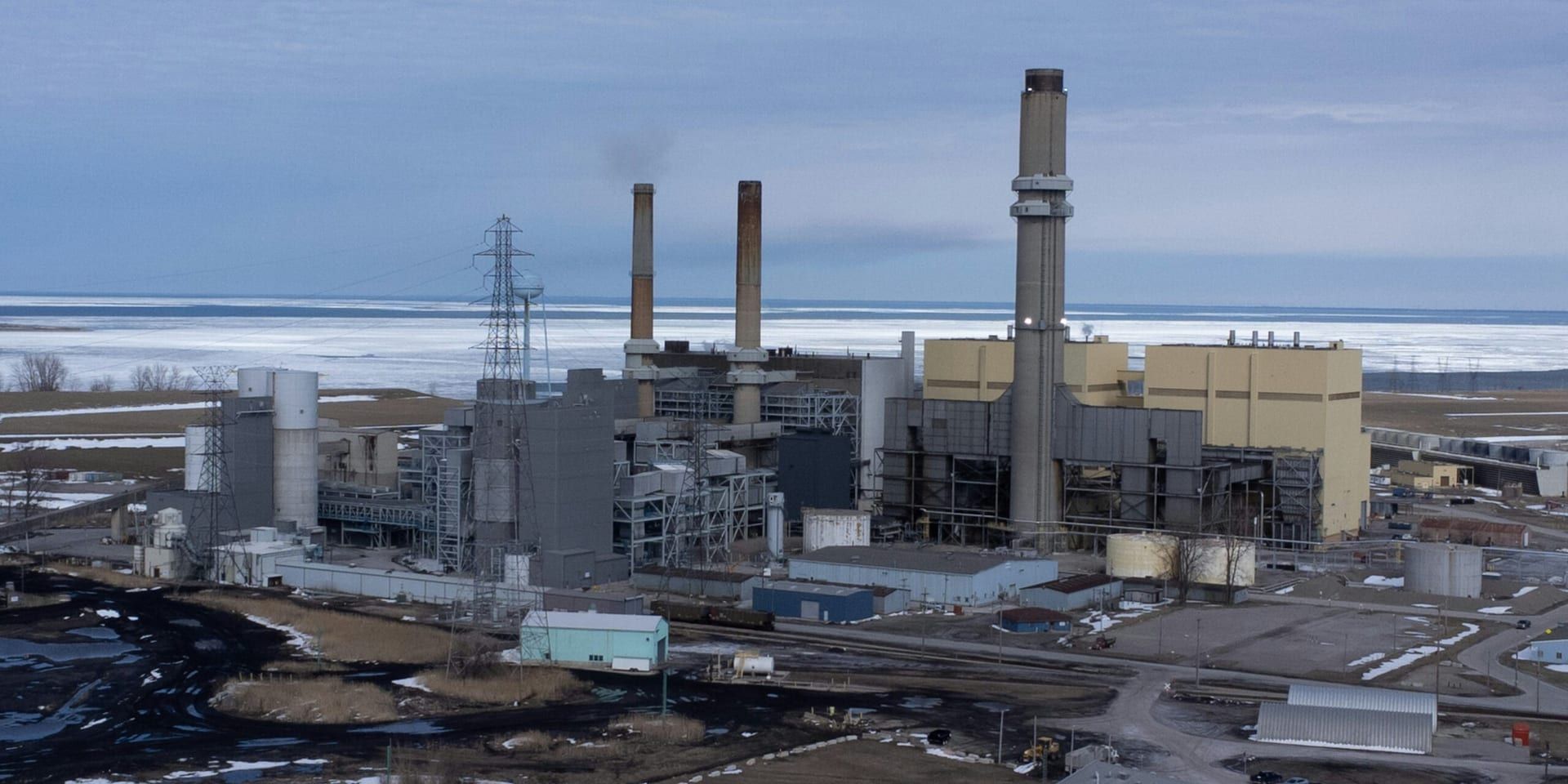
On October 28, 2025, the U.S. government, in coordination with Canadian-based energy and infrastructure firms, announced a sweeping $80 billion agreement to construct a new generation of nuclear power plants across the United States. The landmark deal involves Westinghouse Electric Company, Cameco Corporation, and Brookfield Asset Management, marking one of the most ambitious efforts in recent years to revive and modernize America’s nuclear energy sector.
Under the terms of the agreement, the federal government will play a key supporting role by offering financial backing and streamlining regulatory approvals, including permits and site development processes. In exchange, the government will receive up to a 20 percent share of profits generated from the future operations of these nuclear plants. Alternatively, that profit share could be converted into an equity stake if the value of the projects surpasses predetermined financial thresholds. This hybrid arrangement is designed to align public and private interests, while also ensuring accountability and return on investment for taxpayers.
The multi-party collaboration reflects growing urgency at both the corporate and policy levels to accelerate clean and stable energy solutions amid surging electricity demand. One of the main drivers is the exponential rise in data center construction and the broader energy needs of artificial intelligence infrastructure, which have placed unprecedented stress on regional and national grids. By bringing nuclear energy—particularly next-generation reactors—into the center of energy planning, the U.S. aims to ensure future energy reliability while achieving emissions goals.
For Westinghouse, a long-standing player in global nuclear technology, the deal positions the firm to deliver both large-scale reactors and a new class of small modular reactors (SMRs), which are gaining favor due to their lower upfront cost, modular construction, and operational flexibility. Cameco Corporation, one of the world’s largest suppliers of uranium fuel, is expected to play a critical role in providing enriched fuel for the reactors. Meanwhile, Brookfield Asset Management, with its extensive experience in managing infrastructure assets globally, will be responsible for coordinating long-term financing and project execution.
This strategic alignment of energy infrastructure with corporate growth marks a significant evolution in how companies view public-private partnerships. For the firms involved, the agreement not only opens a substantial revenue stream, but also confers a valuable first-mover advantage in the race to deploy scalable nuclear energy. With the global energy landscape undergoing rapid transition, being early to market in advanced nuclear deployment offers both technical prestige and economic leverage.
The U.S. government’s role in the agreement reflects a broader shift in national energy policy, which increasingly recognizes the role of nuclear as a zero-carbon baseload power source. While nuclear energy remains politically divisive in some circles, the combination of climate concerns, grid instability, and geopolitical energy competition has led to a reevaluation of its long-term potential. This deal is expected to serve as a flagship model for future public-private energy initiatives, demonstrating how government support can help de-risk complex infrastructure while catalyzing private sector investment.
For North America’s energy and infrastructure sectors, the deal could signal a broader trend toward integrated regional cooperation. The involvement of Canadian firms highlights the increasing cross-border coordination required to build the energy systems of the future. With both countries facing similar challenges in decarbonization, energy reliability, and infrastructure modernization, this initiative could pave the way for more bilateral projects in transportation, utilities, and clean technology.
As the first projects break ground, attention will shift to timelines, regulatory execution, and community engagement. Success will hinge on how efficiently partners can navigate complex local, state, and federal regulations—while demonstrating that nuclear energy can be deployed safely, affordably, and with broad public support. If successful, the $80 billion initiative could not only reshape America’s power grid, but also help re-establish North American leadership in advanced nuclear technology, setting the stage for export opportunities and global influence.

CEO Times Contributor
Covers business, innovation, and leadership, with a particular interest in entrepreneurs and emerging brands.
This article features partner, contributor, or branded content from a third party. Members of the CEO Times editorial staff were not involved in the creation of this content. All views and opinions are those of the contributor alone.