
WWE’s Madison Square Garden Return Highlights the Business Value of Connected Fan Experiences

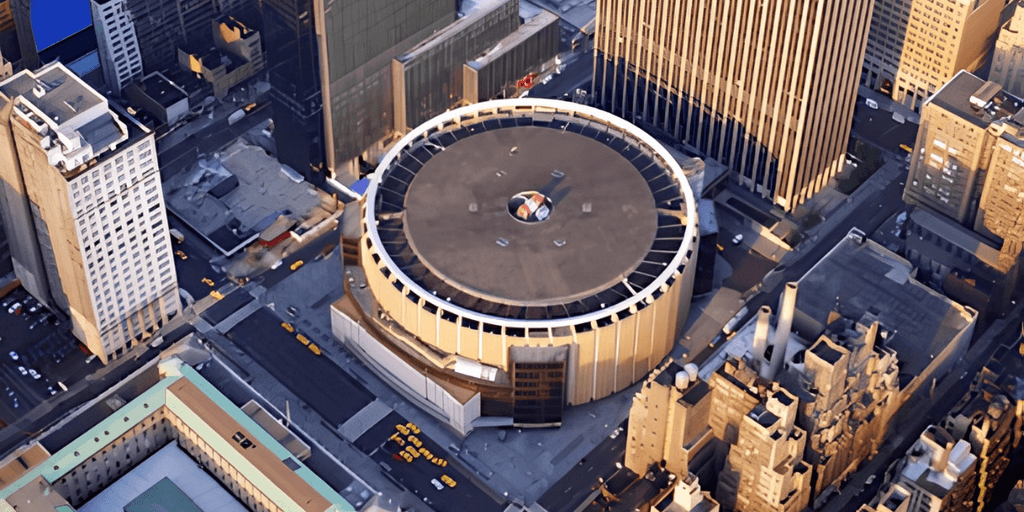
WWE is bringing Saturday Night’s Main Event back to Madison Square Garden in New York City on July 18, 2026, creating one of the day’s most visible U.S. sports-entertainment events. The program marks the first time since 2007 that the Saturday night special has been staged in New York, reconnecting a long-running WWE property with a venue that has played an important role in the company’s history.
For business leaders, the event is significant for reasons that extend beyond the matches. It demonstrates how an entertainment company can combine a premium venue, streaming distribution, hospitality packages, celebrity participation, merchandise opportunities, and a wider consumer festival into one coordinated commercial ecosystem.
A Live Event Connected to a Larger Sports Weekend
Saturday Night’s Main Event is being held during Fanatics Fest NYC, a multiday sports and entertainment festival at the Javits Center. The festival features athlete appearances, live programming, collectibles, licensed merchandise, brand activations, and interactive experiences involving major sports organizations.
By scheduling the Madison Square Garden show during the same weekend, WWE gains access to a concentrated audience already interested in sports, entertainment, memorabilia, and celebrity culture. Visitors can attend panels and exhibitions during the day before moving to a major arena event in the evening.
This structure creates benefits for multiple organizations. Fanatics Fest gains another high-profile attraction connected to its weekend programming, while WWE receives additional exposure among sports fans who may not regularly follow professional wrestling. Madison Square Garden also benefits from hosting an event tied to a larger citywide entertainment experience.
From a corporate strategy perspective, the arrangement is an example of audience extension. Each component of the weekend can increase attention, attendance, and spending opportunities for the others. Rather than operating as a stand-alone show, the WWE event becomes part of a broader network of consumer experiences.
WWE is also using the occasion to connect wrestling with New York’s wider sports market. Appearances involving recognizable athletes and entertainment personalities can generate interest across different fan communities. This crossover strategy may help the company reach viewers who follow basketball, collectibles, sports culture, or live entertainment but are not regular WWE customers.
Streaming and Hospitality Expand the Business Model
The event also shows how live attendance and streaming distribution can support one another. Fans who cannot attend Madison Square Garden can watch the program through digital platforms, while those inside the arena receive the atmosphere, exclusivity, and social experience of a major live event.
This creates different levels of access around the same intellectual property. The televised or streamed program provides broad reach, while arena tickets offer scarcity and in-person engagement. Premium hospitality packages add another layer by including preferred seating, exclusive gatherings, talent appearances, and photo opportunities.
For entertainment companies, this tiered approach can generate value from several customer groups. Some fans may only watch the broadcast. Others may purchase standard tickets, merchandise, food, or collectibles. Higher-spending customers may choose premium seating or hospitality experiences.
The strategy reflects a larger change in the live entertainment industry. Major events are increasingly designed as platforms with multiple revenue opportunities rather than single ticketed performances. Media rights, sponsorships, hospitality, licensing, merchandise, and digital engagement can all be connected to the same event.
WWE’s recent business performance helps explain the importance of this model. The company has reported growth across areas including live events, hospitality, media rights, content production, and consumer products. A marquee event at Madison Square Garden can contribute to several of these business lines at the same time.
What Executives Can Learn
The clearest lesson is that live events are most valuable when they are integrated with a larger strategy. WWE’s New York return is connected to a major festival, a historic venue, streaming platforms, premium experiences, local sports culture, and merchandise demand.
The second lesson is the importance of timing and location. Madison Square Garden brings prestige and historical relevance, while Fanatics Fest supplies an audience already focused on sports and entertainment. WWE can benefit from existing consumer activity instead of creating demand entirely on its own.
The event also demonstrates the value of serving multiple audience segments. Digital viewers, arena attendees, merchandise buyers, collectors, and premium hospitality customers can all engage with the same brand in different ways.
As Saturday Night’s Main Event returns to New York on July 18, its business significance lies in this connected model. WWE is using one evening of programming to support a wider system of media, partnerships, hospitality, merchandise, and fan engagement. For executives in sports, entertainment, and consumer businesses, the event offers a practical example of how coordinated experiences can turn a single live event into a broader commercial platform.

CEO Times Contributor
Covers business, innovation, and leadership, with a particular interest in entrepreneurs and emerging brands.
This article features partner, contributor, or branded content from a third party. Members of the CEO Times editorial staff were not involved in the creation of this content. All views and opinions are those of the contributor alone.