Ratib Zaman And The Future Of Finance


Ratib Zaman is building a technology-led finance vision shaped by migration, ambition, and broker success.
When Ratib Zaman arrived in Australia from Bangladesh in 2014, he was not looking for a shortcut. He was looking for a place where ambition could compound through work, judgment, and calculated risk. Years later, the Australian finance entrepreneur has built businesses across finance, automotive retail, lending, technology, and broker support. Yet his story is not a hardship tale. It is a builder’s story. Ratib Zaman saw Australia not simply as a market, but as a platform for creating something larger than a traditional finance brokerage.
Ratib Zaman Builds From First Principles
Before founding Oxcel Finance, Ratib Zaman developed his career across several demanding industries. His background spans mortgage and asset lending, business management, government project management, automotive retail, and financial services. Each chapter added another layer to his view of how businesses grow, how customers make decisions, and how systems often fail the people who depend on them.
That experience shaped a practical style of leadership. Ratib is not trying to present finance as glamorous. Instead, he sees it as human, operational, and deeply dependent on trust. A broker may work with numbers, lenders, and documents, but the real work often begins before the application. It begins when a customer wants clarity, when a business owner needs speed, or when a family needs someone to simplify a decision that feels complex.
His ventures have employed more than 100 people across different stages of growth. He now leads Oxcel Pty Ltd and is also connected to Bixcel Pty Ltd, a non-bank commercial lending venture, and DealerCore Pty Ltd, an AI-powered dealership management platform for automotive retail. Together, these businesses point to a larger pattern. Ratib is building at the intersection of finance, technology, automation, and distribution.
Still, he is careful not to frame technology as the whole story. “Technology should not replace the ambition of a great broker. It should remove everything that gets in the way of it.” That sentence captures much of his current mission. He is not trying to make finance less personal. He is trying to make the unnecessary friction disappear so skilled people can do better work.

Ratib Zaman Sees A Different Broker Future
In many finance businesses, growth is measured mainly by internal revenue, headcount, and market share. Ratib Zaman wants those measures to matter, but not alone. At Oxcel Finance, he is pushing a different model. The company’s success should also be judged by whether the brokers in its network build stronger, more profitable, more resilient businesses of their own.
His philosophy is direct: “We do not want to buy brokers. We want to build brokers.”
That idea challenges a common growth pattern in finance broking and aggregation. Many firms focus on acquiring established brokers or adding volume through existing operators. Ratib’s approach looks further upstream. He wants to create an environment where capable brokers can be trained, supported, equipped, and developed into business owners with real long-term potential.
The company is building a national finance broking and aggregation network with a strong focus on asset finance. Its ambition is to become Australia’s No. 1 asset finance brand by 2030. Yet Ratib wants that ambition to be grounded in broker outcomes, not only company metrics.
For brokers, the problem is not usually a lack of drive. Many enter the industry with energy, relationships, and commercial instinct. The challenge is the weight of administration, compliance, lender processes, repetitive documentation, and inconsistent operating support. These demands can drain time from the very work that creates value: finding opportunities, structuring deals, building trust, and advising customers with confidence.
Ratib believes AI and automation will redefine that balance. In his view, the finance professional of the future will spend less time chasing forms and more time acting as a negotiator, relationship builder, and dealmaker. Technology will handle more of the administrative heavy lifting. People will focus on judgment, empathy, commercial thinking, and opportunity creation.
That is not a distant theory for him. Oxcel is investing in AI-driven infrastructure, automation, lender access, training, operational support, and smarter systems for brokers. A broker should not have to choose between growing a business and drowning in process. The right platform should help them do both with more clarity and less waste.
Oxcel Finance Turns Vision Into Infrastructure

Oxcel Finance is not being positioned as a standard brokerage with a polished technology layer. Ratib Zaman is building it as infrastructure for a new type of finance network. The model is designed to support brokers who want more than access to lenders. They need systems, training, mentoring, compliance support, operational leverage, and a culture that treats broker success as the central scorecard.
That difference matters because finance is still a relationship business. Customers want speed, but they also want confidence. They want access, but they also want guidance. Oxcel has received more than 200 customer reviews, with customers frequently highlighting responsiveness, professionalism, and the ability to simplify complex finance situations. Technology may accelerate the work, but trust still closes the gap between confusion and action.
Ratib’s broader outlook also includes the automotive sector, where finance, dealerships, customer expectations, and software are increasingly linked. His work with DealerCore reflects an interest in AI-powered tools that can improve dealership management and customer pathways. His involvement with Bixcel points to the commercial lending space, where access to flexible solutions can affect how businesses purchase equipment, vehicles, and other assets. Across these ventures, the theme remains consistent: build ecosystems, not isolated transactions.
His leadership style reflects both urgency and discipline, without drifting into hype. Ratib speaks about AI as a practical tool, not a magic answer. The real question, in his view, is where human attention should be spent. If a broker is talented at building relationships, reading a customer’s situation, and negotiating a strong outcome, then administrative bottlenecks are not merely inconvenient. They are a direct limit on growth.
That is why the phrase “build brokers” has become more than a slogan. It is a strategic filter. Does a system help brokers move faster? Does training improve confidence? Does automation remove avoidable work? Does lender access expand opportunity? Does support help brokers create better lives for themselves and their families? If the answer is yes, it fits the model Ratib is trying to build.
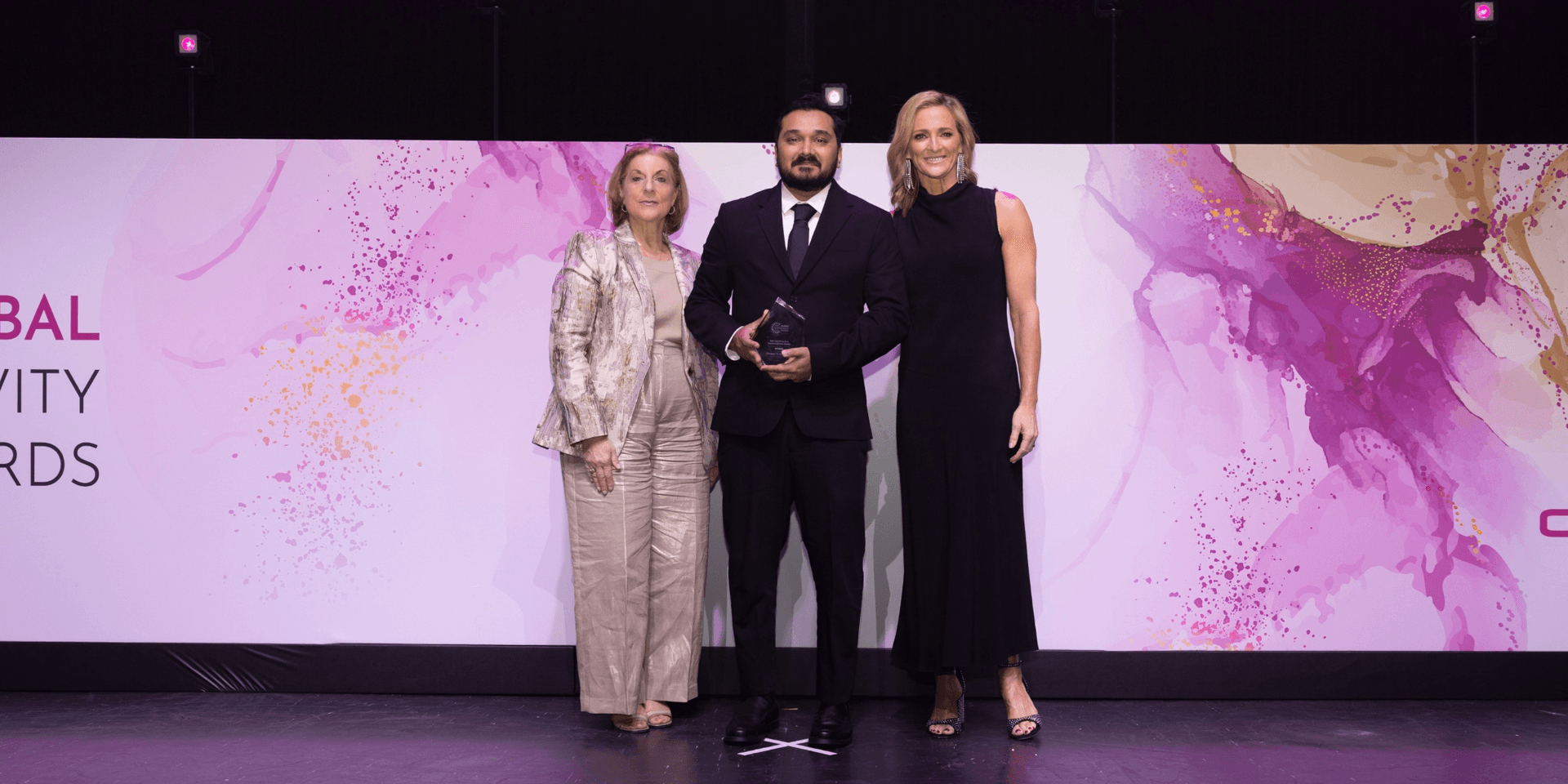
Ratib Zaman’s approach to finance and entrepreneurship has also received recent recognition. Best of Best Review has named him Best Finance Entrepreneur in Melbourne, Australia of 2026, recognizing his entrepreneurial journey, leadership, and forward-looking approach to the future of Australian financial services.
The recognition reflects the broader direction of Ratib’s work, which extends beyond traditional finance broking into technology, lending, automotive retail, and business development. His focus on building businesses, developing people, and using technology to reduce operational friction has become a defining part of his approach.
For Ratib, the recognition is aligned with a philosophy that places long-term business development alongside growth. His objective is not simply to build finance businesses, but to create environments where brokers and other professionals can develop their own capabilities and opportunities.
There is also a distinctly Australian dimension to the story. Ratib migrated to Australia, built his career here, and is now developing companies intended to influence how financial services are distributed across the country. His ambition is to build scalable businesses that help brokers, dealerships, and consumers navigate finance with better tools and better support.
For brokers, business operators, and industry leaders watching the next stage of finance, Ratib Zaman offers a useful signal. The future may not belong to the biggest legacy network or the loudest technology brand. It may belong to builders who understand both people and systems. Connect with Ratib Zaman, LinkedIn, Oxcel Finance, Oxcel Brokers, and Facebook.

CEO Times Contributor
Covers global markets, corporate finance, and the executive careers built on them.
This article features partner, contributor, or branded content from a third party. Members of the CEO Times editorial staff were not involved in the creation of this content. All views and opinions are those of the contributor alone.