James Sackl: The Melbourne Entrepreneur Building the Future of Health, Energy, and Innovation

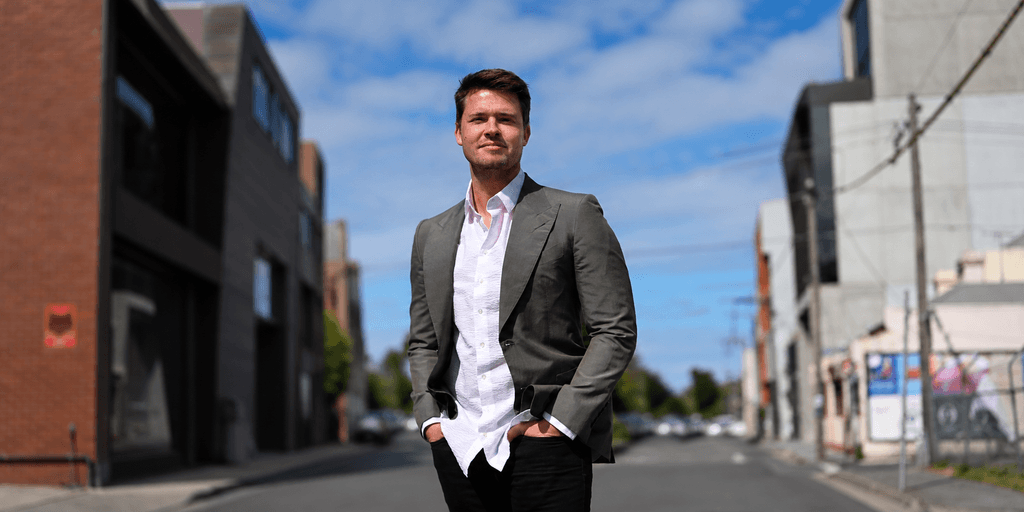
A Melbourne founder who ships at scale, now building two companies on hundred-year horizons.
At twenty-one, James Sackl walked the streets of Melbourne selling advertising space on a website that did not yet exist. He collected 21,000 dollars in pre-orders before writing a single line of code. Then he built the site. The company was profitable from launch and never raised a cent of outside funding. That early lesson, sell first and build second, still shapes every venture he touches today.
Two decades later, that same instinct for architecture over invention produced one of his most repeatable results. During the early stages of the COVID-19 pandemic, Sackl designed an all-in-one rapid antigen test pen that went on to do 130 million dollars in sales. The striking part of that story is not the number. It is that nothing inside the pen was new.
From a Test Pen to a Thesis
The sample swab, the buffer fluid and the immunoassay reading strip all existed already. What Sackl did was combine them into a single object a non-clinical person could operate at home, with no instructions. The novelty was in the product architecture and the business model, not the science.
"Business model innovation beats technology innovation in mature categories almost every time," Sackl says. "The components of the COVID test pen were all old. What was new was putting them together in one object that a non-clinical person could use without instructions. That is product design, not biotech."
That principle is the organising idea behind the two companies he runs now. Across twenty years he built and operated across software, training, agriculture, migration and consumer products. He has shipped at low capital intensity and at high complexity, in both directions. Few founders can claim that range. Fewer still apply it to problems measured in decades rather than quarters.
Two Companies Built for the Long Horizon
Sackl now runs two Singapore-domiciled companies, both structured for multi-decade operation. The first, Wallace Biotechnologies, works on biology that improves both human health and the environment. It has two arms. Wallace Health focuses on health span, meaning the number of years a person is actually well, functional and useful, rather than the total number of years they breathe. Legend Foods, the consumer-facing arm, grows, manufactures and distributes genuinely clean food at supermarket prices rather than premium ones. The company's stated mission is a healthier population of 100 billion people within 100 years.
The second company, Terraform Technologies, is an energy and resources business. Its premise is simple. The sun is the largest fusion reactor in the solar system. It runs on no fuel and carries no shutdown bill. Once that energy is captured properly, every other resource on earth becomes cheap. The company is named for the Kardashev scale, an old physics framework that classes civilisations by the energy they command. A Type I civilisation commands all the energy of its planet. Terraform is built for that step.
The structure itself is deliberate. "Wallace and Terraform are both built for multi-decade horizons. Most Australian companies are not," Sackl says. "We are Singapore-domiciled, operationally independent, and structured to survive external shocks rather than just chase growth. That is a deliberate response to what I learned operating across companies over twenty years."
Recent press coverage around August 2026 has highlighted the practical edge of both ventures. Reporters have pointed to Terraform's work on modular solar-powered housing materials and a daylight-first modular manufacturing model. Wallace has drawn attention for autonomous wet labs that drive down the cost of biological testing, alongside AI-driven clinical modeling.
The Writer Behind the Companies
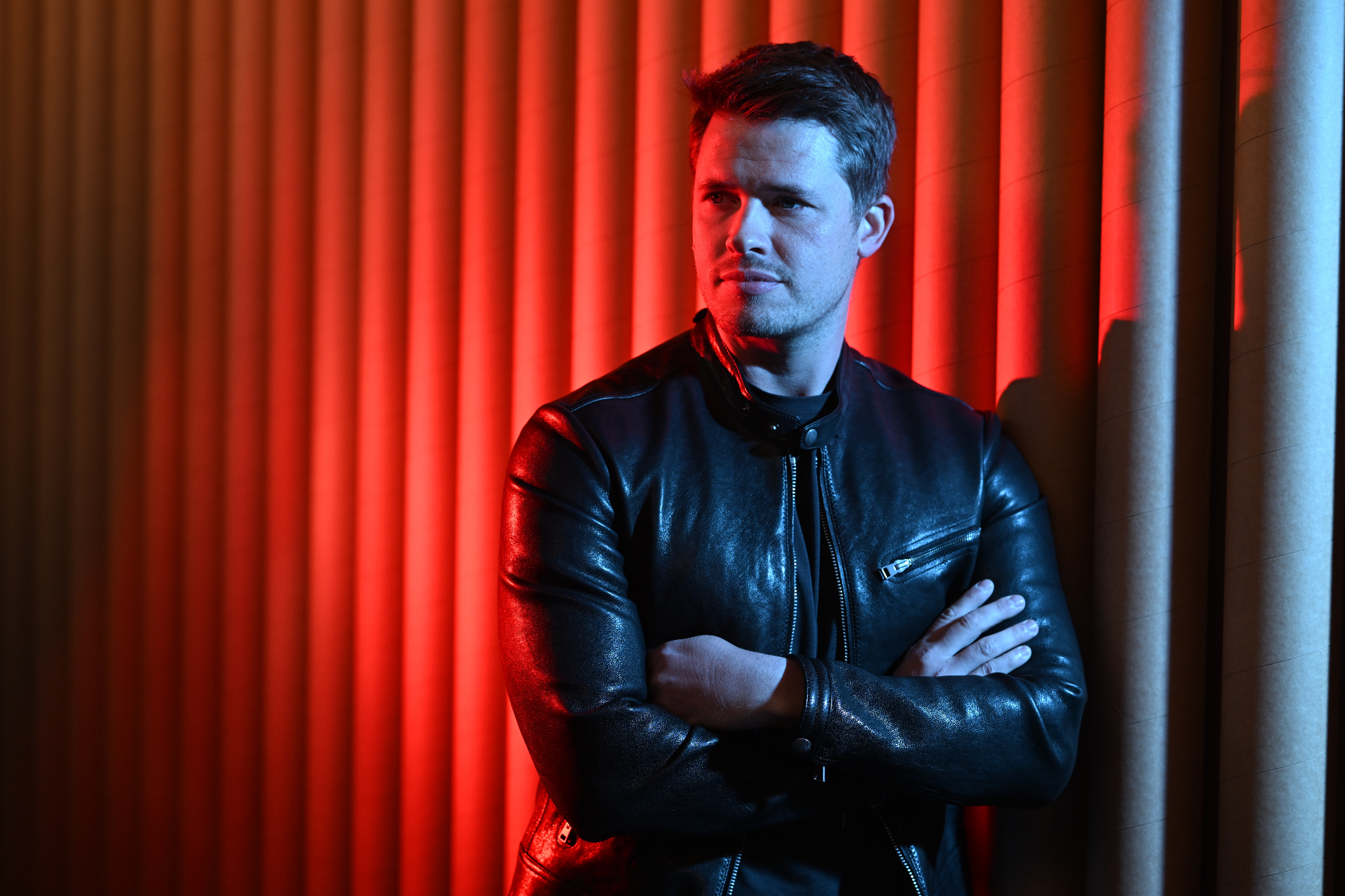
What separates Sackl from most founders at this scope is that he publishes openly. Many founders at this scale say little in public, or outsource their communications to a PR team. Sackl writes his essays himself, on his own site, under his own name. The project is called Golden Age, and it now runs more than thirty essays deep.
The argument behind Golden Age is direct. The present is the most resourced era any human has ever lived through, and most people are not using it well. The essays cover founding, decisions, capital, attention and leverage. They are not motivational. They are practical. Recent pieces include Don't Save Money, Staring Into the Abyss, Confidencemaxxing, Makers and Takers, and Self-Belief Is a Practice.
"The present moment is the most resourced era any human has ever lived through. Most people are not using it well," Sackl says. "The essays at jamessackl.com.au are written for the operator who already has the resources of the age in front of them and is trying to work out what to do with them."
His writing reflects the same first-principles thinking he applies to products. In one essay he puts the case for earning over saving plainly. "Saving has a floor. You trim, then trim more, and one day there's nothing left to trim. Earning has no ceiling. All the money that ever made a real difference to me came out of the hours I spent earning, not a cent of it out of the hours I spent doing without."
Why This Combination Is Rare
Most deep-tech founders fall into one of two camps. There are technical specialists who build deep intellectual property but struggle to get a product into real hands at scale. There are commercial operators who can sell anything, yet chase whatever market is moving rather than picking a problem worth a decade. Sackl sits across both camps.
He has shipped consumer products at large scale. He has run companies across multiple industries and jurisdictions. He is now applying that record to two long-horizon companies with explicit civilisational scope. And he does it in public, writing the work himself rather than the marketing.
The principle that started it all still holds. "Sell first, build second. That is the principle I learned at twenty-one walking the streets of Melbourne with a website that did not yet exist," he says. "Twenty years later, it is still the most reliable principle I know for de-risking a new venture."
Founders who ship at consumer scale are common. Founders who think and write at civilisational scale are common. Founders who do both, in public, from a Melbourne base with a Singapore structure built for decades, are rare. That is the space James Sackl occupies.
Read the Work for Yourself
For direct, practical commentary from an operator rather than motivational filler, the Golden Age essays are a good place to start. They offer an unfiltered view of how one founder thinks about capital, attention and building things that last. Readers are invited to explore the full essay series, follow the progress of Wallace Biotechnologies and Terraform Technologies, and decide for themselves what the most resourced era in history is actually for.
Explore More About James Sackl
Explore James Sackl’s insights on business, health, energy, and innovation at jamessackl.com.au. Learn more about Wallace Biotechnologies and Terraform Technologies, or connect through LinkedIn, X, Crunchbase, and Wikidata. For enquiries, email hello@jamessackl.com.au.

CEO Times Contributor
Covers leadership, business strategy, entrepreneurship, and the people building innovative companies.
This article features partner, contributor, or branded content from a third party. Members of the CEO Times editorial staff were not involved in the creation of this content. All views and opinions are those of the contributor alone.