
How Stanly Thomas Built Omphalis To Help Readers Stay Closer To The Source

Omphalis brings reading, explanations, questions, and source linked notes together to help readers better understand saved content.
Everyone knows the feeling. You save a dense research paper, a thoughtful newsletter, or a long podcast because you genuinely want to understand it. Then the moment arrives: a passage stops you cold. You switch to a search tab, lose your place, and the thread you were following quietly slips away. Stanly Thomas built Omphalis around that moment of friction.
Omphalis, developed by Voxiven, is a reading app for articles, research papers, podcasts, and videos people save with the intention of understanding them. Rather than treating saved material as a collection of links to revisit, it brings cleaned source text, explanations, questions, highlights, and notes into one reading experience. Its purpose is practical: help readers stay engaged with the material while accessing the context they need.
The Problem That Inspired Omphalis
Omphalis grew from Stanly Thomas's experience as an engineer and reader. Looking up an unfamiliar phrase or recording a thought can interrupt the reading process. Each switch between applications creates another opportunity to lose focus or forget the context of a passage.
Thomas, founder and engineer, has spent more than twenty years leading engineering work across web, mobile, desktop, browser extensions, and infrastructure. That experience informed a central design decision: the help a reader needs should remain beside the source material. If someone can examine a difficult passage, ask a question, and attach a note without leaving the reading environment, the process becomes easier to follow and revisit.
That idea became the foundation of Omphalis. The product places the reading experience at the center, with saved content serving as material to explore rather than simply collect.
How Omphalis Keeps Readers Connected To Their Sources
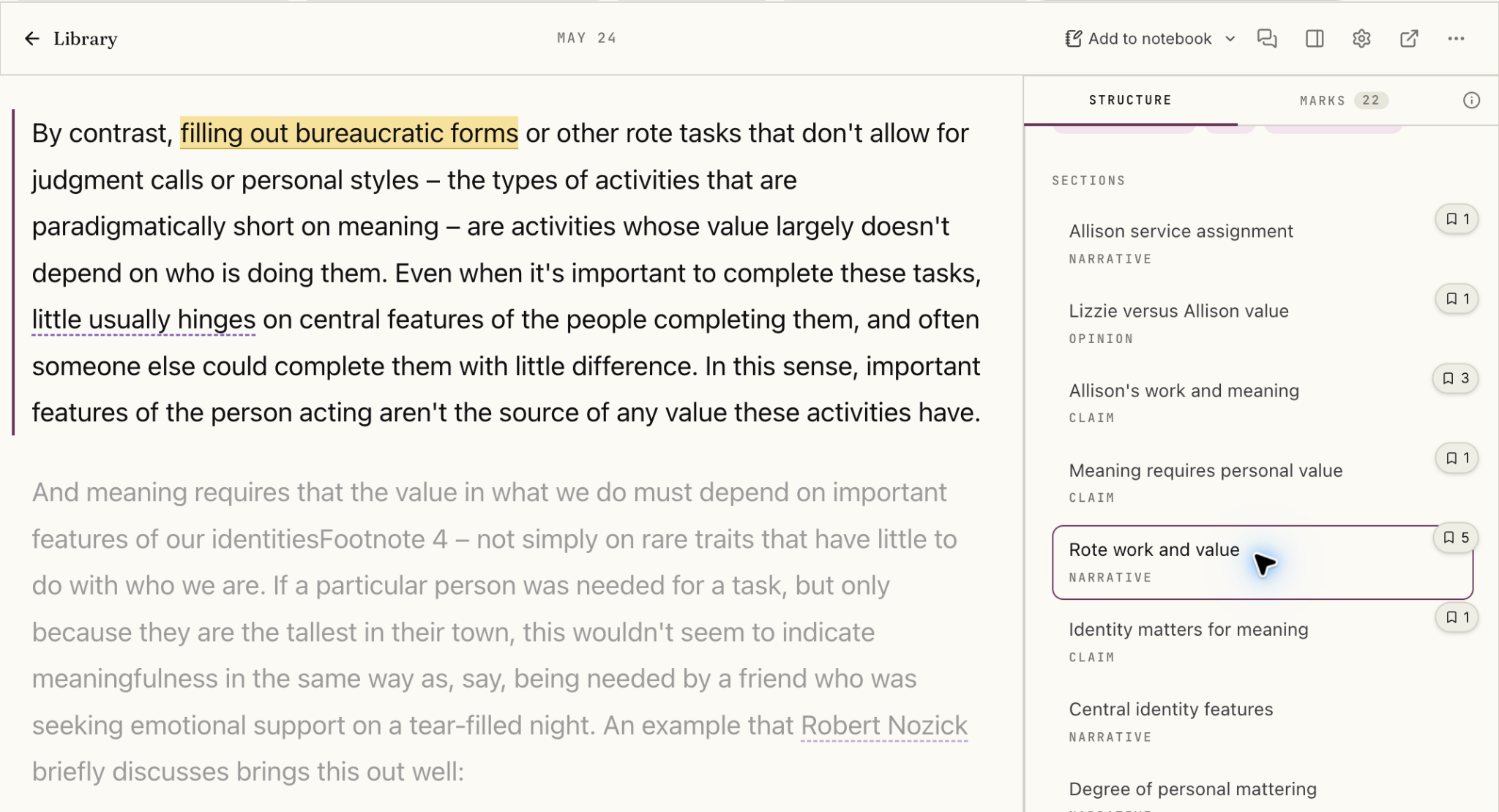
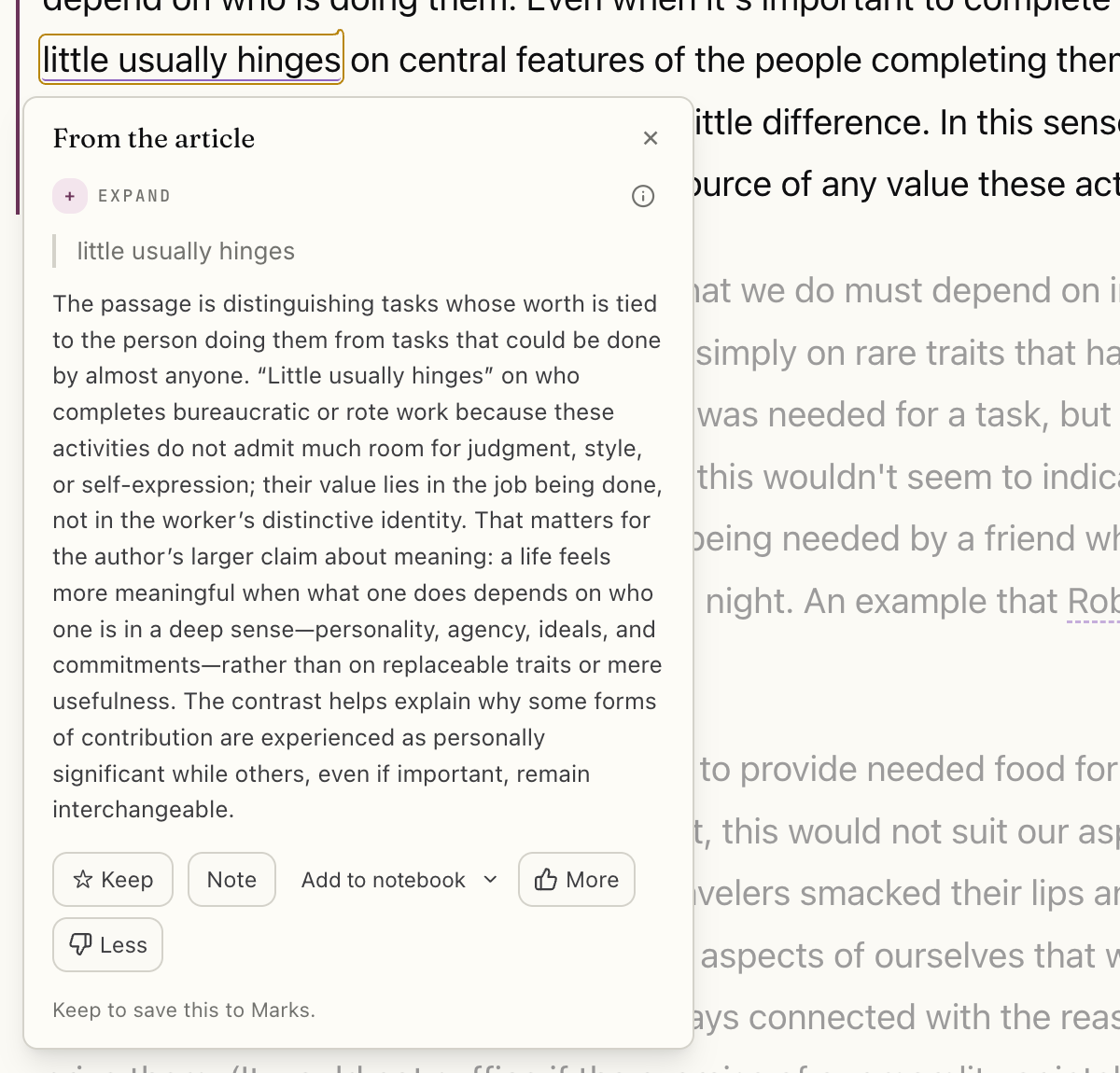
Consider a reader working through a technical research paper. A complex claim appears midway through the document, and its meaning is not immediately clear. In Omphalis, the reader can open an explanation beside the relevant passage while keeping the original text visible.
The same approach applies to highlights and notes. Someone returning to an article from the previous week can find a highlighted passage alongside the note attached to it. Because the note remains connected to the source text, the reader can recover the context behind the original observation.
Omphalis also supports podcast transcripts that can be read like articles, along with listening options for saved material. Readers can organize related sources into notebooks, then ask questions about an individual item, a notebook, or their broader library. Answers include citations that direct readers back to supporting source passages.
An important part of this workflow is the distinction between original content, AI generated explanations, and personal notes. Each has a separate role. The original material remains available for inspection, while explanations and annotations support the reader's understanding.
A Reading Experience Designed For Verification
One of Omphalis's guiding principles is that generated explanations should be easy to inspect. AI generated content can contain mistakes, so the product provides ways for readers to return to the material behind an answer.
When Omphalis responds to a question, its citations link to relevant source passages. Readers can examine the original wording, compare it with the explanation, and form their own conclusions.
This approach reflects Thomas's engineering background. Rather than presenting generated answers without context, Omphalis connects them to the material being studied. The source remains accessible throughout the process, giving readers a way to evaluate the information they receive.
For someone studying a technical subject, reviewing research, or working through a long article, that connection can be useful. The reader can move between an explanation and its supporting text without having to reconstruct where the information came from.
Built For Reading Across Devices And Formats
Omphalis is available on the web, iPhone, and Android, with browser extensions for Chrome and Firefox. It supports web articles, newsletters, documents, podcasts, YouTube videos, and personal notes.
Readers can save content through a browser extension, upload supported files, or subscribe to feeds. Saved items appear in a central Library, where clean reading views and section maps help readers navigate longer material.
In the iPhone and Android apps, readers can download items to read or listen offline. This makes saved content accessible during commutes, travel, or other situations without an internet connection.
Access to certain features depends on the account plan. New accounts currently receive a 30-day trial, with no credit card required. After the trial, accounts move to the Free plan unless the user chooses a paid subscription.
PDF processing has a specific limitation. Turning a new PDF into a readable page requires an active trial or paid plan. However, PDFs already processed during the trial remain readable after the account moves to Free. This distinction allows readers to continue accessing previously processed documents without implying that new PDF processing is included in the Free plan.
The Omphalis homepage FAQ provides additional information about trial access, Free plan features, and paid options.
Omphalis announced its platform launch in July 2026, followed by the launch of its iPhone and Android apps in August 2026. Both announcements were distributed as company issued press releases rather than independent editorial endorsements.
Why The Source Linked Approach Matters
The value of a saved article or research paper often depends on what happens after it enters a reading library. A reader may need to revisit a difficult argument, compare related ideas, or recover a note made weeks earlier.
Omphalis organizes these activities around the original material. A highlight remains attached to its passage. A question can lead back to the source behind an answer. A notebook can bring several related items into one place for further exploration.
This structure supports a reading process in which collecting, understanding, and revisiting information are connected activities. It also gives readers a clearer distinction between what a source says, what an AI explanation suggests, and what they have recorded in their own words.
For Thomas, the engineering challenge has been to bring those functions into a consistent experience across content formats and devices. The result is a product designed around the practical steps people take when they want to work through material carefully.
Explore A More Connected Reading Experience With Omphalis
For readers who regularly save research papers, articles, podcasts, or videos, Omphalis provides a place to organize and engage with that material. Its reading interface keeps explanations close to the relevant passages, preserves source linked highlights and notes, and allows readers to explore questions with citations.
New users can begin with a 30-day trial, with no credit card required, then continue with the Free plan or choose a paid option based on their reading needs. Readers who frequently work with new PDFs can review the processing requirements before choosing a plan.
Visit Omphalis to explore the reading experience, review available plans, and learn how its source linked tools work. Additional product updates and demonstrations are available through Voxiven on LinkedIn and the Omphalis YouTube channel.

CEO Times Contributor
Covers business, innovation, and leadership, with a particular interest in entrepreneurs and emerging brands.
This article features partner, contributor, or branded content from a third party. Members of the CEO Times editorial staff were not involved in the creation of this content. All views and opinions are those of the contributor alone.