
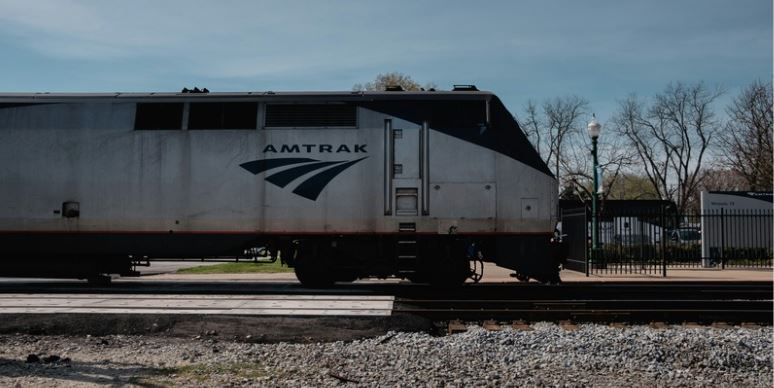
Stephen Gardner, the Chief Executive Officer of Amtrak, has announced his resignation effective March 19, 2025, amid renewed national debate over the future of the country’s passenger rail system. His departure comes at a pivotal time, as discussions around the potential privatization of Amtrak gain momentum within the federal government, spurred in part by public criticism from high-profile figures and shifting political priorities.
Gardner, a veteran of the rail industry who started at Amtrak as an intern in the 1990s, rose through the ranks over several decades, eventually becoming CEO in January 2022. His tenure spanned a critical recovery period following the COVID-19 pandemic, during which Amtrak faced significant operational and financial challenges. Despite those headwinds, Gardner helped steer the organization toward record ridership and revenue milestones.
In a statement accompanying his resignation, Gardner said his decision was guided by the need to “ensure the full faith and confidence of the current administration as Amtrak faces critical decisions about its structure and future.” The company’s board of directors has not yet named a successor, and an executive search is expected to begin shortly.
The leadership change comes as the Trump administration, which returned to office in January 2025, revisits long-standing proposals to reduce federal subsidies for public transportation agencies, including Amtrak. The move is part of a broader policy shift emphasizing fiscal conservatism and private-sector efficiency.
Adding fuel to the conversation was a recent critique from Elon Musk, who now serves as a senior advisor to the administration. Musk labeled Amtrak “a sad situation” in a public forum and called for its privatization, arguing that competition and market accountability would significantly improve the passenger rail experience in the United States. Musk’s comments quickly gained traction among conservative lawmakers and business leaders who have long questioned the effectiveness of federally subsidized rail services.
Transportation Secretary Sean Duffy has echoed similar concerns, emphasizing the need for Amtrak to resolve persistent safety and maintenance issues—particularly at major transportation hubs like New York Penn Station and Washington’s Union Station. In congressional hearings, Duffy signaled that the administration is evaluating ways to “modernize and streamline” Amtrak’s operations, potentially through public-private partnerships or structural reforms that could involve divesting certain routes.
Amtrak currently operates more than 300 trains per day, serving over 500 destinations across 46 states. While the company has long relied on federal subsidies—receiving over $2 billion annually from the U.S. Department of Transportation—advocates argue that it serves a vital public need, especially in regions where air or car travel is less practical. Critics, however, maintain that Amtrak suffers from inefficiencies and mismanagement that private entities might be better equipped to address.
During Gardner’s tenure, Amtrak achieved its highest-ever ridership and revenue figures. In fiscal year 2024, the company logged 32.8 million passenger trips and generated $2.5 billion in ticket revenue, a strong rebound from the dramatic declines seen during the pandemic. He also championed major infrastructure upgrades, including electrification projects, new rolling stock procurement, and station improvements funded in part through the bipartisan Infrastructure Investment and Jobs Act passed in 2021.
Despite those accomplishments, Gardner’s administration was not without controversy. Amtrak faced criticism over persistent delays on key routes, service disruptions caused by aging infrastructure, and disputes with freight railroads that often impede passenger service on shared tracks. Labor negotiations also presented challenges, with several unions demanding wage increases and improved working conditions.
Industry analysts note that Gardner’s departure may complicate Amtrak’s path forward at a time when long-term planning and capital investment are crucial. “Leadership continuity is always important, but especially now as Amtrak tries to execute its multi-billion-dollar modernization plan,” said David Rusk, a transportation policy expert at the Brookings Institution. “Privatization would be a massive shift—not just operationally, but culturally—and it remains to be seen how that debate will play out.”
Union leaders and passenger advocacy groups have expressed concern over the potential direction of Amtrak under new leadership. The Rail Passengers Association issued a statement calling Gardner’s resignation “deeply troubling” and warned that any move toward privatization could “undermine the public service mission of national passenger rail.”
Meanwhile, some lawmakers on Capitol Hill have voiced support for retaining Amtrak’s current public structure while calling for greater accountability. “Amtrak plays a crucial role in connecting communities, especially in rural and underserved regions,” said Sen. Tammy Baldwin (D-Wis.). “We should be working to improve it, not sell it off to the highest bidder.”
As the privatization debate heats up and Gardner’s departure adds uncertainty to Amtrak’s leadership, stakeholders from across the political spectrum will be watching closely to see what direction the company takes next.