
Intel’s $8.5 Billion CHIPS Act Boost Reignites U.S. Semiconductor Ambitions March 18, 2024

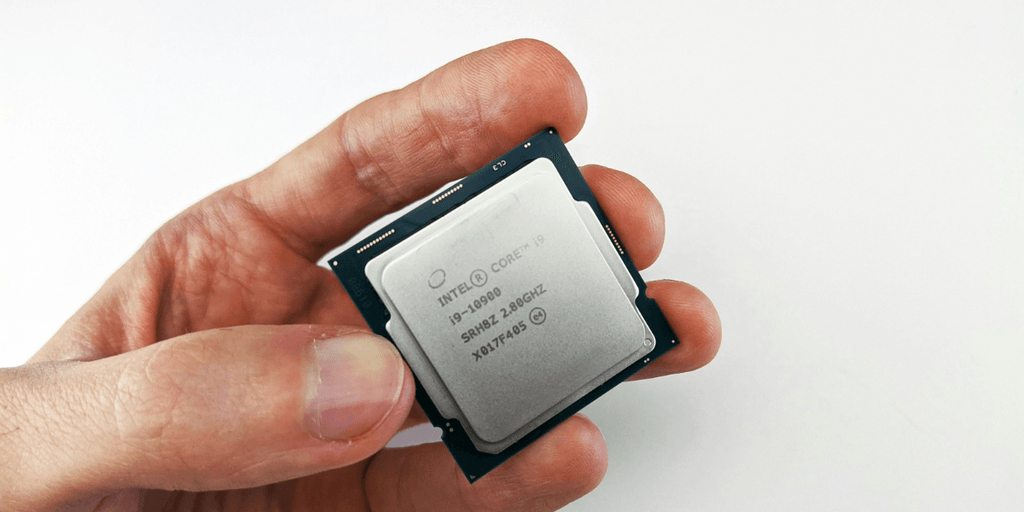
In a bold and historic move to reestablish America’s semiconductor supremacy, Intel CEO Pat Gelsinger unveiled a sweeping $8.5 billion agreement with the U.S. government on March 18, under the auspices of the CHIPS and Science Act. The deal is positioned not only as a financial windfall for the tech giant but also as a cornerstone of a broader national strategy to bring chip manufacturing back to U.S. soil.
The funding package, a mix of direct grants and loans, is set to supercharge Intel’s foundry expansions in Arizona and Ohio, positioning the company at the forefront of advanced chip production. These sites are critical to Gelsinger’s strategy of transforming Intel from a legacy chipmaker into a modern semiconductor foundry capable of producing chips for a range of tech industry leaders. The initiative aims to curb U.S. reliance on foreign-made semiconductors, particularly those from East Asia, which have been subject to mounting geopolitical and supply chain disruptions.
Gelsinger, who has been executing a sweeping turnaround plan since taking the helm at Intel, called the agreement “the most consequential industrial policy moment in decades.” He emphasized the importance of semiconductor manufacturing not just for economic growth, but for national security and technological leadership. The CHIPS Act, signed into law in 2022, was designed to revitalize domestic chipmaking through significant federal investments, and this deal with Intel marks its largest allocation to date.
Industry analysts and leadership experts have praised Gelsinger for his forward-thinking approach and strong policy acumen. His dual background as a seasoned engineer and a strategic executive with a sharp eye on public-private partnerships sets him apart in an era where technological development is increasingly intertwined with national policy. Observers note that Gelsinger embodies a new CEO archetype: someone who blends operational excellence with geopolitical savvy.
Intel Foundry Services, a pillar of Gelsinger’s revitalization blueprint, is central to this transformation. By opening its fabrication capabilities to third-party customers, Intel aims to compete with leading global foundries like TSMC and Samsung. The Ohio and Arizona expansions are expected to bring thousands of high-tech jobs, bolster local economies, and establish a more resilient and self-sufficient semiconductor ecosystem in the United States.
As geopolitical tensions continue to influence global trade, and as demand for semiconductors rises with the proliferation of AI, electric vehicles, and advanced computing, the timing of this deal signals a renewed commitment to securing America’s technological future. With this landmark funding, Intel and the U.S. government are not just building factories—they are rebuilding a legacy of innovation and leadership in the global tech arena.

CEO Times Contributor
Covers leadership, business strategy, entrepreneurship, and the people building innovative companies.
This article features partner, contributor, or branded content from a third party. Members of the CEO Times editorial staff were not involved in the creation of this content. All views and opinions are those of the contributor alone.