
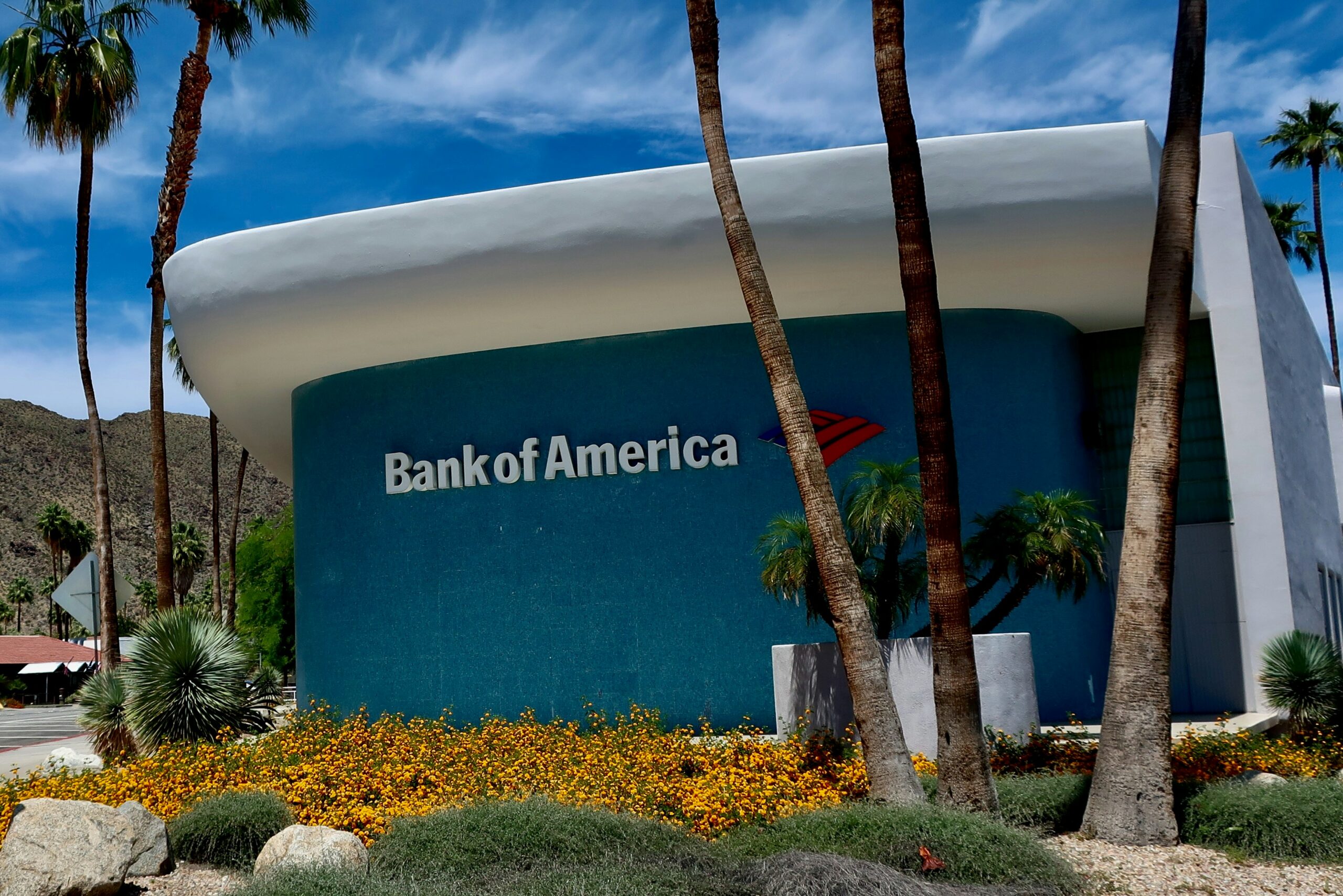
On October 15, Bank of America (BAC) unveiled its third-quarter 2024 earnings, reporting net income of $6.9 billion, or $0.81 per diluted share—beating analyst estimates by approximately four cents. The results highlighted the strength of its net interest income (NII), alongside robust performance in wealth management, investment banking, and trading.
CEO Brian Moynihan described the quarter as “solid,” noting that the bank benefited from stable economic conditions and slowing inflation. He pointed to consumer payments—used as a barometer for spending—which grew by about 4–5% year-over-year in the quarter. Moynihan emphasized that Bank of America is “continuing to drive the company forward in any environment.”
The firm’s net interest income reached roughly $14.0 billion, down 3% from Q3 2023 but up 2% sequentially from Q2 2024. The increase was fueled by rising lending rates, even as deposit costs remained competitive. CFO Alastair Borthwick characterized the NII trajectory as a “step in the right direction,” expecting continued growth into Q4.
Bank of America’s fee-based businesses also performed strongly. Investment banking fees rose 18% year-over-year to $1.4 billion, and underwriting income surged 39.7%. Sales and trading revenue reached $4.9 billion, marking the tenth consecutive quarter of year-over-year growth. Wealth and investment management revenue climbed 8% to $5.8 billion, while client assets expanded 18% to $4.2 trillion.
Despite these gains, the bank continues to build credit reserves—provisioning $1.5 billion in Q3, up from $1.2 billion a year ago. Net charge-offs also rose to $1.5 billion, primarily driven by commercial and credit-card loans. Borthwick noted that borrower health remained steady and asset quality “solid,” but the bank is taking a cautious stance amid elevated interest rates.
Operating expenses edged up to $16.5 billion, a modest increase from the prior quarter, reflecting consistent investment in growth initiatives and controlled headcount. The efficiency ratio stood at approximately 65%, slightly above the prior quarter’s 64%, as revenue gains balanced cost pressures.
Bank of America also reported healthy balance sheet metrics. Average deposits rose 2% to $1.92 trillion, and average loans and leases grew 1% to $1.06 trillion. Common Equity Tier 1 (CET1) capital held steady at $200 billion, representing 11.8% of risk-weighted assets—well above regulatory requirements. The bank returned $5.6 billion to shareholders through dividends and buybacks, including $2.0 billion in dividends and $3.5 billion in stock repurchases.
Management expressed cautious optimism about economic conditions. Moynihan noted sustained deposit growth and stable lending, while Borthwick shared confidence in client resilience and modest economic expansion. He remarked, “Our research team at this point doesn’t believe we’ll see a recession,” a sentiment echoed in April 2025.
Looking ahead, Bank of America forecasts net interest income will continue rising into Q4, supported by higher loan yields and anticipated rate cuts later in the year. The bank also signaled ongoing focus on capital deployment and disciplined lending, maintaining a strong liquidity position amid volatile market conditions.
In summary, Bank of America delivered a solid Q3 performance, anchored by meaningful growth in fee-based revenue, improving net interest income, and continued asset quality. The results reinforce confidence in the bank’s ability to navigate a higher-rate environment while generating shareholder value and maintaining financial strength.