
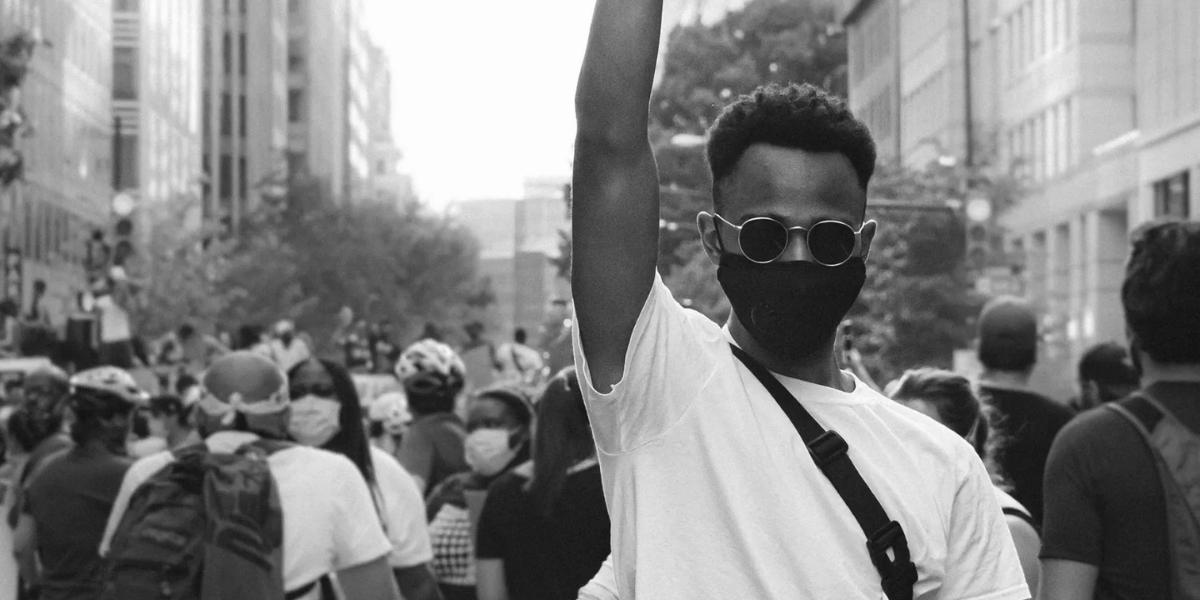
On February 7, 2026, the nation’s capital became the stage for a significant mobilization of young workers and allied organizations convening in Washington, D.C., to spotlight pressing economic issues affecting workers under the age of 40. The Young Worker March on Washington, organized by major labor federations including the American Federation of Government Employees (AFGE) and the American Federation of Labor and Congress of Industrial Organizations (AFL‑CIO), brought together advocates from unions, community organizations, and youth networks to call for structural changes to strengthen economic opportunity and stability for younger Americans.
A Broad Coalition with Economic Demands
The march assembled thousands of young workers, labor activists, and supporters at the Hyatt Regency Washington on Capitol Hill, where they began the march at 11:00 AM, proceeding to a rally at the United States Capitol later in the afternoon. Key participating unions and partners included the International Association of Machinists, National Nurses United, NAACP Youth & College, the International Union of Painters and Allied Trades, and the National Education Association, among others. These groups underscored the march’s cross‑sector appeal and the interconnected challenges facing young workers today.
The event’s agenda extended beyond traditional labor concerns to encompass a suite of policy priorities aimed at confronting widespread economic pressures: a federal living wage with automatic inflation adjustments, expanded healthcare options, deliberations on affordable childcare, and student loan reform. Organizers explicitly tied these demands to broader questions about economic mobility and the future of work in the United States.
Why the March Matters to Business Leaders
While the Young Worker March was not a corporate event, its implications resonate with executives and corporate strategists for several reasons:
- Labor Market Pressures and Workforce Trends:
U.S. labor markets are undergoing significant shifts, with data showing ongoing debates about wage growth, worker engagement, and retention strategies. Organizations like The Conference Board highlight challenges in matching labor demand with qualified candidates and the strategic importance of workforce development. The march serves as a high‑visibility reminder of the evolving expectations younger workers have for their employers and for economic policy more broadly. - Talent Attraction and Retention:
Today’s young professionals increasingly seek not just competitive salaries but also workforce environments that support long‑term financial stability, career growth, and benefits like healthcare and childcare support. These priorities are central to employer branding and human capital strategy, especially in sectors facing tight labor supply conditions. The march’s emphasis on a living wage and systemic support reflects a broader shift in worker sentiment that employers cannot ignore. - Policy and Business Environment:
Federal and state policy outcomes influenced by labor activism can shape regulatory frameworks that affect taxes, labor costs, healthcare requirements, and education incentives. Business leaders tracking these developments can benefit from understanding how advocacy coalitions may influence legislative agendas moving forward, particularly around issues of wage policy and workforce training.
Broader Economic Context
The Young Worker March occurred against the backdrop of a complex economic environment. U.S. stock markets showed notable volatility in early February 2026, with major indices such as the Dow Jones Industrial Average recently crossing significant milestones and reflecting fluctuating investor sentiment in technology and manufacturing sectors. Meanwhile, discussions around labor force participation and hiring trends continue to dominate economic analyses at executive and policy levels, pointing to ongoing uncertainty about growth and employment dynamics.
Takeaways for Executives and Professionals
For executives and business strategists, the Young Worker March underscores several key trends:
- Workforce Expectations Are Evolving: Younger cohorts emphasize not only compensation but also comprehensive economic security and access to life‑enabling benefits.
- Labor Advocacy Influences Broader Policy Debates: Grassroots mobilizations can shape public discourse and potentially influence legislative priorities that affect the business environment.
- Strategic Human Capital Planning Is Essential: Understanding the concerns of younger workers can guide more effective talent management, retention initiatives, and corporate social responsibility strategies.
By staying attuned to labor movements like the Young Worker March and the broader economic context in which they unfold, business leaders can better anticipate shifts in workforce dynamics and align their organizational strategies with the expectations of tomorrow’s workforce.