
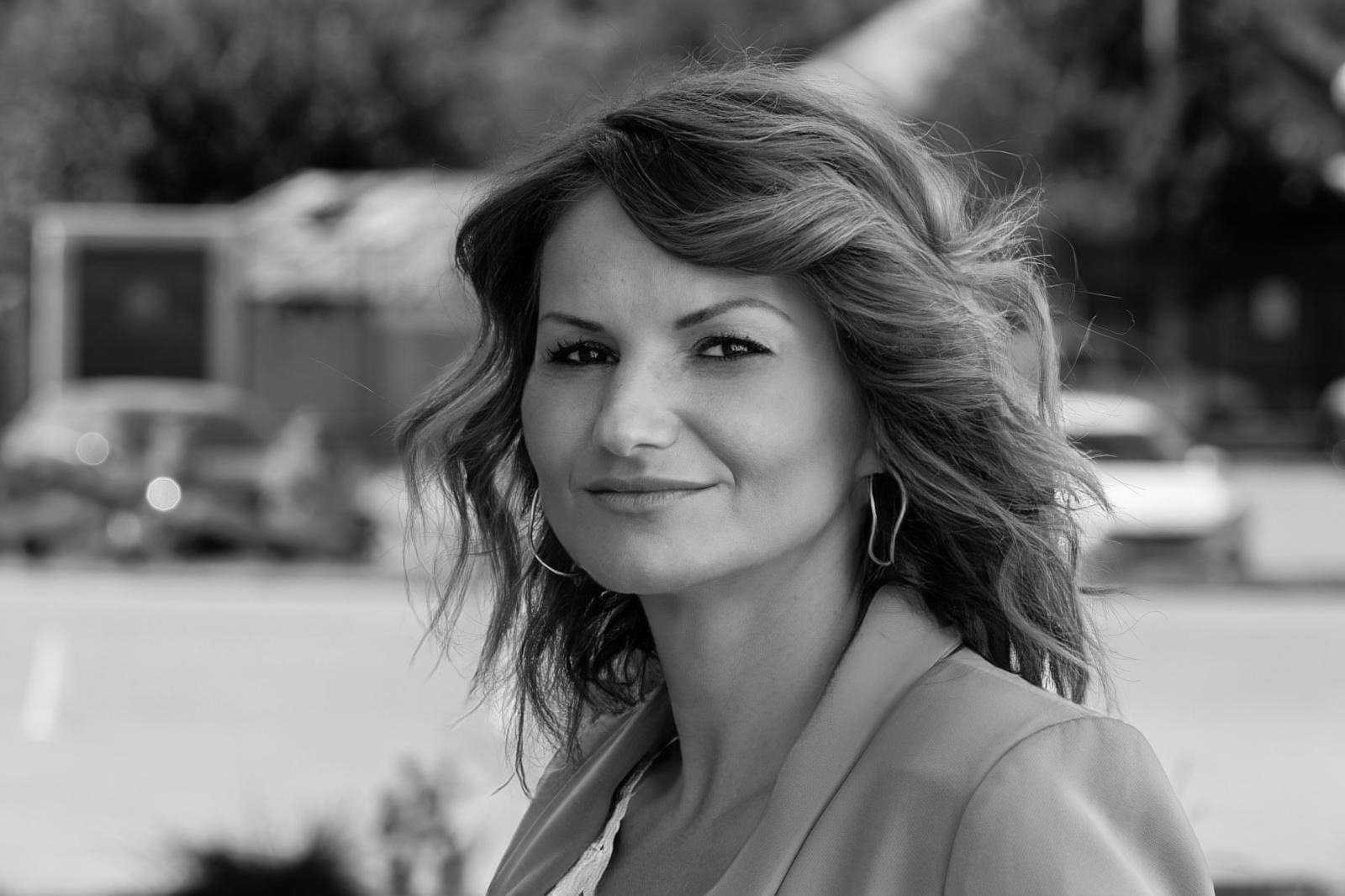
For centuries, power has relied on legitimacy more than authority. Today’s leaders are rediscovering this truth in a climate where visibility no longer guarantees trust and performance alone no longer secures loyalty. Credibility must now be built through alignment – between values and action, purpose and governance, intention and execution. Strategic philanthropy, when embedded into leadership design, functions as one of the most underutilized instruments of this alignment.
A Radical Shift in Leadership Strategy
Modern organizations are increasingly integrating philanthropy into their leadership strategy. Inspired by the leadership philosophy of Cosimo de’ Medici, this approach views philanthropy not as charity but as a tool for strategic alignment. Just as Cosimo used giving to influence culture, align power, and maintain economic control, contemporary organizations must approach philanthropy similarly. Rather than treating it as a peripheral activity or a tool for corporate social responsibility (CSR), philanthropy must be embedded into the organizational DNA.
This evolving understanding is at the heart of a movement that operates at the intersection of leadership strategy, reputation management, and cross-sector collaboration. By focusing on philanthropy as leadership infrastructure, organizations can align their culture, reputation, and long-term growth with their philanthropic efforts. This approach positions organizations to earn trust and legitimacy both internally and externally, fostering an environment of credibility and long-term value creation.
The 4 Houses Framework: A Renaissance Model for Modern Leadership
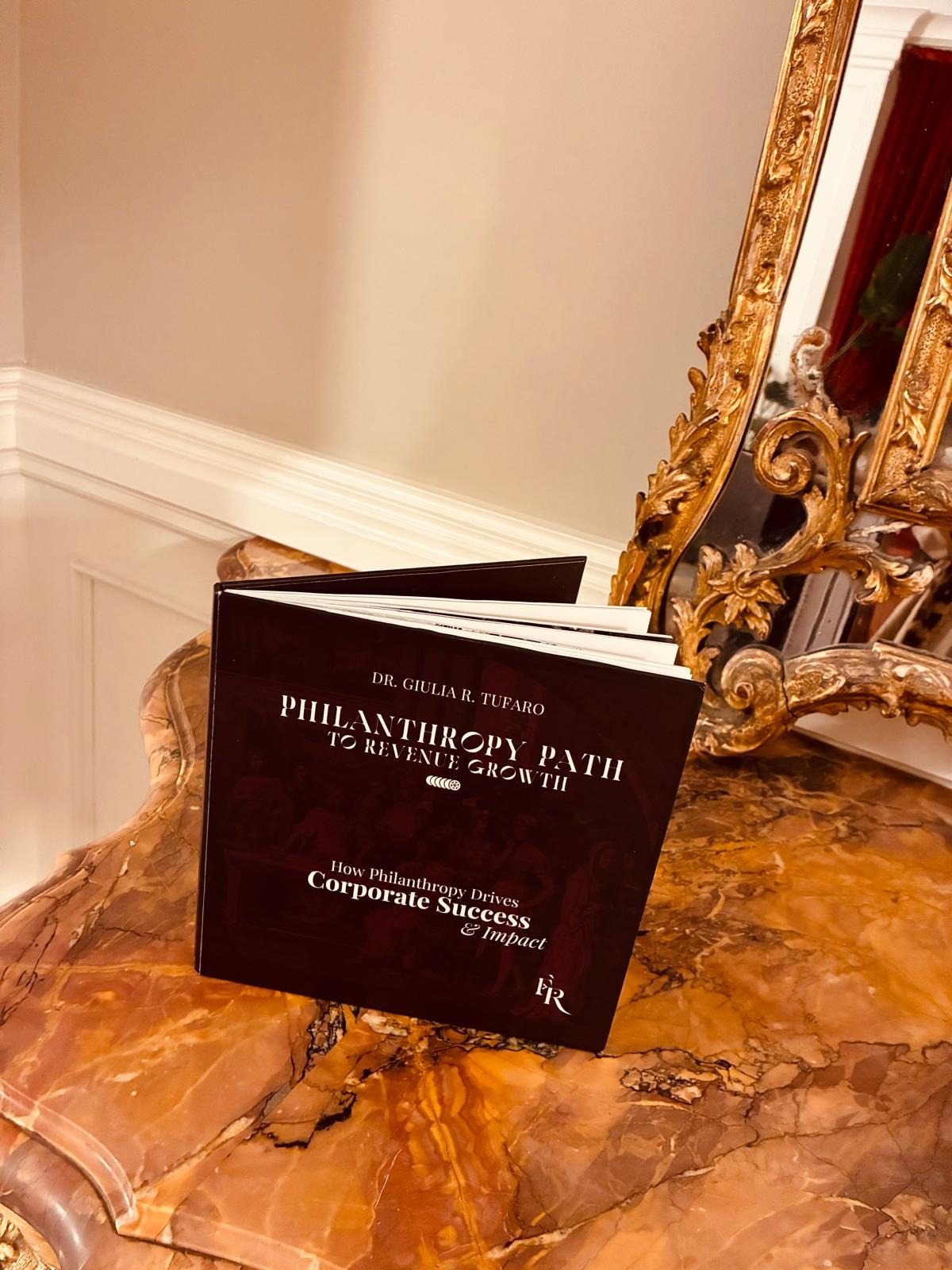
At the core of this evolving leadership strategy is the 4 Houses Framework, which redefines how organizations view philanthropy. The framework, outlined in Dr. Giulia R. Tufaro’s book Philanthropy Path to Revenue Growth, aligns the elements of leadership and organizational culture, internal values, employee engagement, external partnerships, and sustainable growth. By viewing philanthropy as a strategic tool rather than a communication or compliance challenge, the 4 Houses Framework empowers organizations to build systems where giving reinforces leadership credibility over time.
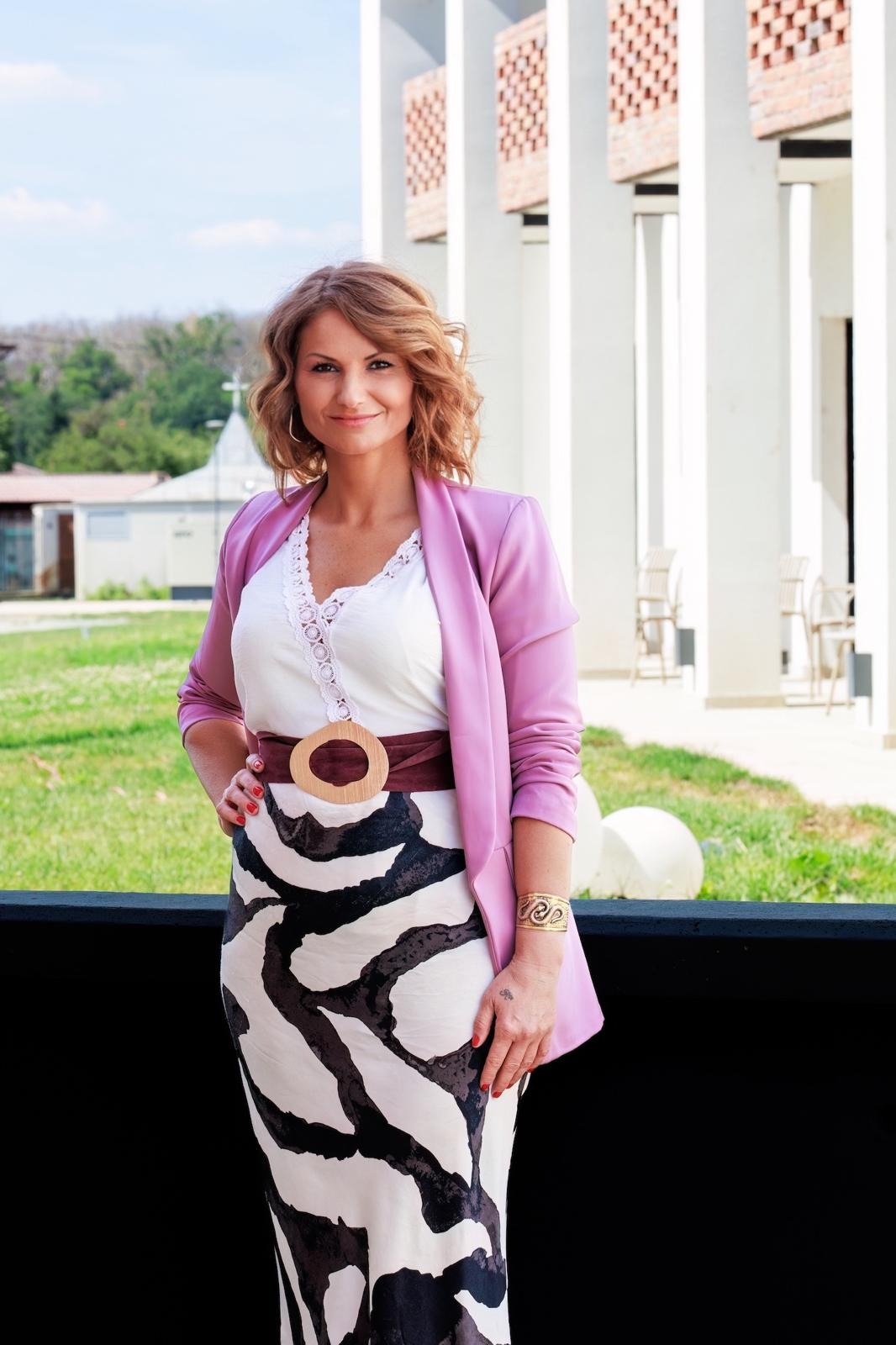
Unlike conventional CSR efforts, which often lack long-term impact, the 4 Houses Framework allows leaders to design philanthropy as a lasting asset that aligns with their core values and enhances their reputation. Rather than merely checking boxes for compliance or making symbolic gestures, organizations can move toward strategic investment in philanthropy, ensuring clarity for boards and coherence for leadership teams. At the center of this approach is Dr. Tufaro, who serves as both the head and the heart of the company, shaping its strategic vision and philosophical foundation.
Building Trust Through Strategic Alignment
In a time when trust is at an all-time low, this methodology offers a way for leaders to rebuild credibility. It speaks directly to decision-makers, such as CEOs, board members, family offices, and senior executives, helping them navigate the complex terrain of stakeholder scrutiny. In today’s climate, where trust is fragile, every decision, especially philanthropic actions, must reinforce the organization’s core values and purpose.
The key question is no longer about whether an organization gives back, but whether its giving reinforces or undermines leadership credibility. By aligning philanthropy with organizational strategy, leaders ensure that every philanthropic initiative serves a dual purpose: advancing social impact and enhancing long-term leadership credibility.
The Fall of Symbolic Philanthropy
The traditional approach to philanthropy, rooted in compliance, communication, and short-term fundraising goals, is losing its effectiveness. Today, employees, consumers, and investors are no longer content with vague commitments to social causes or ESG targets. They demand real impact, measurable outcomes, and alignment between an organization’s values and actions.
To address this shift, the strategic philanthropy model offers a solution. By viewing philanthropy as leadership infrastructure, something that must be intentionally designed, governed, and measured, organizations move beyond symbolic giving. It ensures that philanthropic efforts align values with action and purpose with performance, positioning them as critical levers for sustainable growth and leadership credibility.
The Medici Legacy: Aligning Purpose and Performance
The strategic philanthropy model refuses to speak in the language of trends. While terms like ESG and purpose-driven communication are often treated as short-term branding challenges, this approach frames them as leadership and governance questions. It focuses on risk, legitimacy, and long-term value creation, enabling CEOs and boards to make decisions that build lasting trust across complex stakeholder ecosystems.
Drawing inspiration from Cosimo de’ Medici’s leadership style, this methodology advocates for influence through alignment rather than authority. Cosimo understood that true power lies in aligning culture, talent, reputation, and capital. Today’s leaders must adopt a similar mindset to navigate a world where authority is no longer automatically granted and trust is a critical asset.
By positioning philanthropy as a structural asset, organizations can ensure that every decision, whether internal or external, aligns with long-term purpose. It helps leaders design systems where impact reinforces strategy, creating an environment where purpose and performance are seamlessly integrated.
The Changing Landscape of Trust and Leadership
As scrutiny on leadership intensifies, trust and credibility can no longer be treated as secondary outcomes.Strategic philanthropy offers a fresh perspective on leadership. It provides a solution for decision-makers who understand that building trust and credibility requires time, alignment, and strategic investment.
This model supports leaders in integrating philanthropy into their organizational structure, ensuring that actions match words. It fosters a resilient, sustainable approach to leadership that is designed, measured, and aligned for long-term success.
A Call for Strategic Leadership
The ongoing shift in leadership thinking recognizes philanthropy as an integral part of leadership strategy, rather than a charitable or branding exercise. It is a critical tool for leadership design, helping organizations navigate the complexities of a low-trust, high-scrutiny world. As leaders seek to regain trust and credibility, they must embrace the idea that philanthropy is not a peripheral activity but an essential part of their leadership strategy.
Additional Resources:
- Book: Philanthropy Path to Revenue Growth
- ìMedici Master in Strategic Philanthropy (Florence, 2027)
- Education Eureka: Italy’s Most Inspiring Women Leaders 2025-26
- Arabian Articles: World’s 20 Most Inspiring Women Leaders in 2026