
A powerful late-winter storm sweeping across the United States has caused widespread disruption to the nation’s air travel network, grounding thousands of flights and creating ripple effects across business travel, logistics, and airport operations. As of March 17, 2026, airlines and airports across the Midwest and East Coast continue to manage significant delays and cancellations caused by heavy snow, high winds, and severe weather conditions.
The disruptions highlight the vulnerability of critical transportation infrastructure during extreme weather events and underscore the broader economic impact that travel interruptions can have on businesses and supply chains.
Widespread Flight Disruptions Across Major U.S. Airports
More than 4,600 flights were canceled and over 11,700 delayed on March 16, following thousands of additional disruptions the previous day as severe weather swept across the country.
Major aviation hubs experienced the most severe impacts. Airports in Chicago, Atlanta, New York, and Charlotte reported some of the highest cancellation and delay rates, leading to overcrowded terminals and extended wait times for travelers.
The storm system, which brought heavy snowfall to parts of the Midwest and Great Lakes region, also moved eastward with strong winds and thunderstorms. The combination of winter weather and severe storms forced aviation authorities to impose ground stops and delay programs at several key airports to maintain safety and manage air traffic flow.
At peak disruption, approximately 45% of flights for some major airlines were either delayed or canceled, illustrating the scale of the operational challenge faced by carriers.
Compounding Factors: Staffing Shortages and Operational Strain
The weather-related disruptions were compounded by operational challenges affecting aviation agencies and airport staffing levels.
Transportation security and aviation personnel have continued working under strained conditions, contributing to slower processing at airport security checkpoints and increased wait times for passengers. In some locations, staffing shortages have made it more difficult for airports to process large numbers of travelers during peak disruption periods.
Airline executives have raised concerns that staffing constraints within the aviation system could exacerbate delays during periods of heavy travel demand. Industry leaders have increasingly emphasized the need for improved workforce stability and operational planning to ensure smoother travel experiences during future disruptions.
Business Travel and Economic Implications
The timing of the storm has amplified its economic impact. March is traditionally a busy travel period due to spring break travel, corporate events, and major sporting tournaments, leading to increased demand across the aviation system.
Business travelers have been particularly affected by the disruptions. Many executives and professionals rely on tight travel schedules for meetings, conferences, and client engagements. Flight cancellations often force last-minute itinerary changes, increasing travel costs and potentially delaying business transactions or negotiations.
The aviation disruptions also affect other sectors, including hospitality, tourism, and logistics. Hotels near major airports often see sudden surges in demand when travelers are stranded overnight, while cargo and supply chain schedules may be delayed when passenger flights carrying freight are canceled.
For industries that depend on rapid transportation, such as technology components, pharmaceuticals, and e-commerce shipments, even short disruptions in air transport can create logistical bottlenecks.
Airlines and Airports Respond
Airlines across the United States have issued travel advisories and offered flexible rebooking policies to passengers affected by the storm. Many carriers waived change fees or allowed customers to reschedule flights without penalty in affected regions.
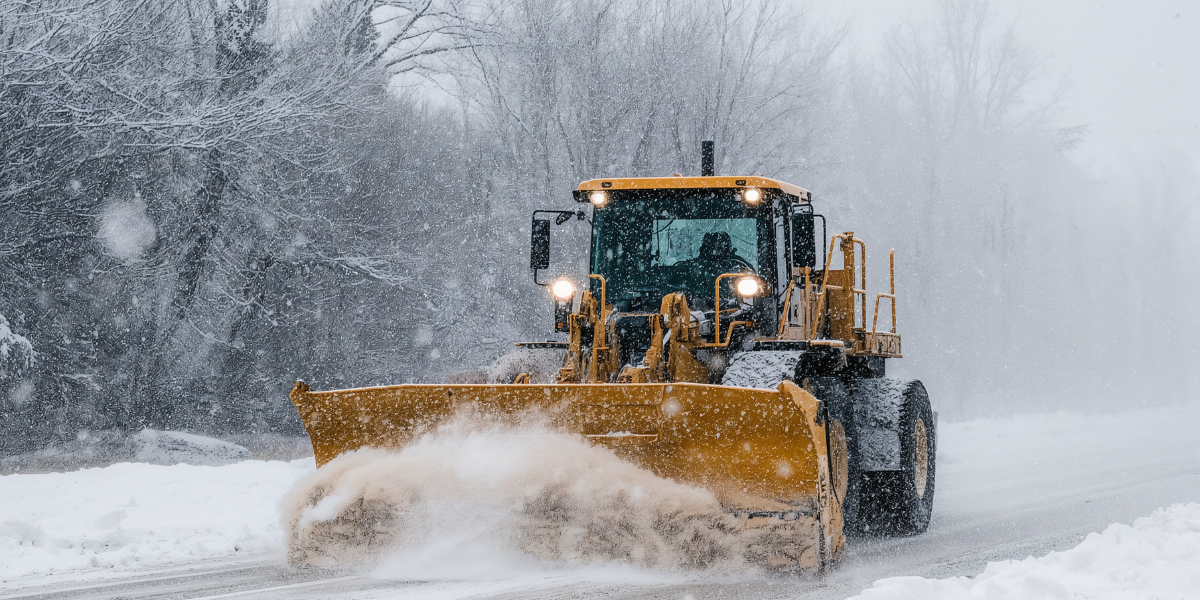
Airports also activated winter weather response plans, deploying snow removal equipment and coordinating closely with airlines and aviation authorities to restore operations as quickly as possible.
Despite these efforts, aviation experts note that weather disruptions can create cascading delays across airline networks. Because aircraft and crew members operate on tightly scheduled rotations, a cancellation in one hub can affect multiple subsequent flights in different cities.
A Reminder of Aviation System Vulnerabilities
Severe weather events have long posed operational challenges for the aviation industry, but recent disruptions illustrate how interconnected the modern air travel system has become. A single major storm can quickly trigger nationwide delays as aircraft, crew, and passengers become displaced across the network.
Industry analysts warn that extreme weather variability may increase the frequency of such disruptions in the coming years, placing greater emphasis on infrastructure resilience, predictive weather analytics, and operational coordination between airlines and regulators.
Key Takeaways for Executives and Business Travelers
The events of March 17, 2026 highlight several lessons for professionals who rely on air travel:
- Build flexibility into travel schedules, particularly during winter or peak travel seasons.
- Monitor airline advisories and weather alerts when planning trips through major hubs.
- Consider alternative routes or transportation options when severe weather is forecast.
- Allow additional time for airport security and rebooking processes during periods of operational strain.
As airlines gradually restore schedules and weather conditions improve, the aviation industry will continue working to clear the backlog of disrupted flights. However, the recent storm demonstrates how quickly environmental and operational challenges can ripple across the U.S. travel system and affect business mobility nationwide.