
Revival in Global Services Sector Driven by Post-Pandemic Travel Surge

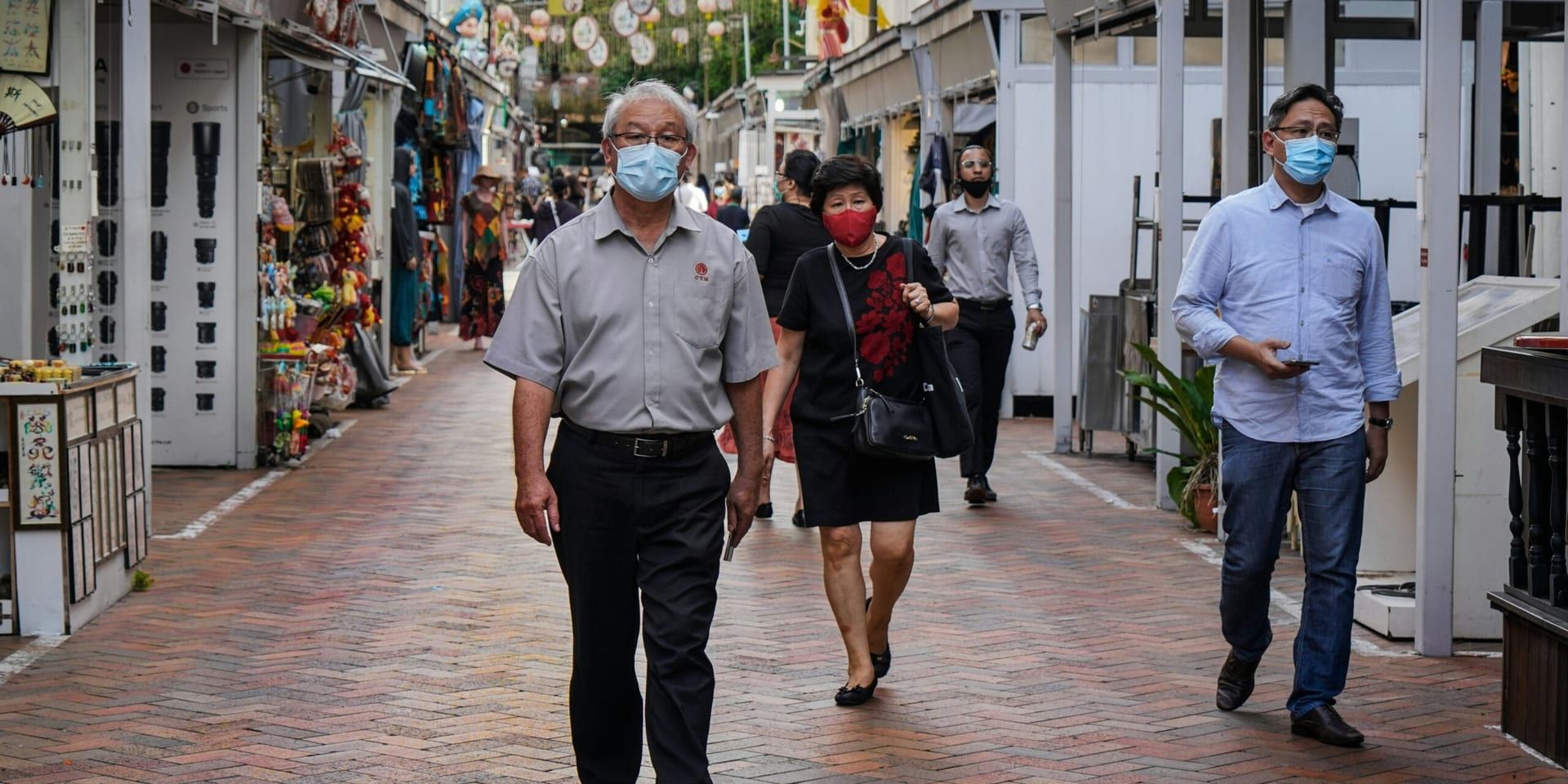
August 2022 marked a notable resurgence in global services trade as the relaxation of COVID-19 restrictions spurred economic activity across various sectors. The reopening of international borders catalyzed a strong rebound in travel, tourism, and associated services, reflecting renewed consumer confidence and pent-up demand after prolonged lockdowns.
The travel and tourism industries experienced a significant uptick, particularly in regions where vaccination rates were high and entry requirements were relaxed. Airlines saw increased bookings, hospitality businesses reported higher occupancy rates, and local economies dependent on tourism began to recover. This resurgence was especially visible in popular tourist destinations across Europe, Southeast Asia, and the Americas.
Additionally, other service sectors such as logistics, education, and financial services also showed signs of recovery. The logistics sector benefited from increased trade flow and mobility, while international students began returning to campuses, reviving demand for educational services. Meanwhile, financial services expanded operations to accommodate shifting client needs in a more digitally inclined environment.
Despite these gains, the global services sector still faced several headwinds. Labor shortages continued to affect various industries, especially in hospitality and transportation. Many workers had shifted to different professions during the pandemic, and businesses now struggled to recruit and train new employees quickly enough to meet rising demand.
Moreover, the acceleration of digital transformation posed both opportunities and challenges. Companies were compelled to adapt to new technologies to serve increasingly digital-savvy consumers. From contactless payments to virtual consultations, the demand for innovative service delivery models grew rapidly. However, not all organizations were equally equipped to handle this transition, leading to disparities in performance and service quality.
Government policies played a crucial role in the rebound, with stimulus packages, travel incentives, and support for small and medium-sized enterprises contributing to the revitalization of the services economy. International cooperation on health protocols and vaccine recognition also helped restore traveler confidence and facilitated smoother cross-border movements.
Looking forward, sustaining the momentum in services trade will depend on how effectively countries address labor market imbalances and invest in digital infrastructure. As global demand continues to evolve, adaptability and innovation will be key to ensuring the long-term resilience and competitiveness of the services sector on the international stage.

CEO Times Contributor
Covers global markets, corporate finance, and the executive careers built on them.
This article features partner, contributor, or branded content from a third party. Members of the CEO Times editorial staff were not involved in the creation of this content. All views and opinions are those of the contributor alone.