Dr Eva Kroczynski At CSW70: Advancing Survivor Centered Reporting Systems On A Global Stage

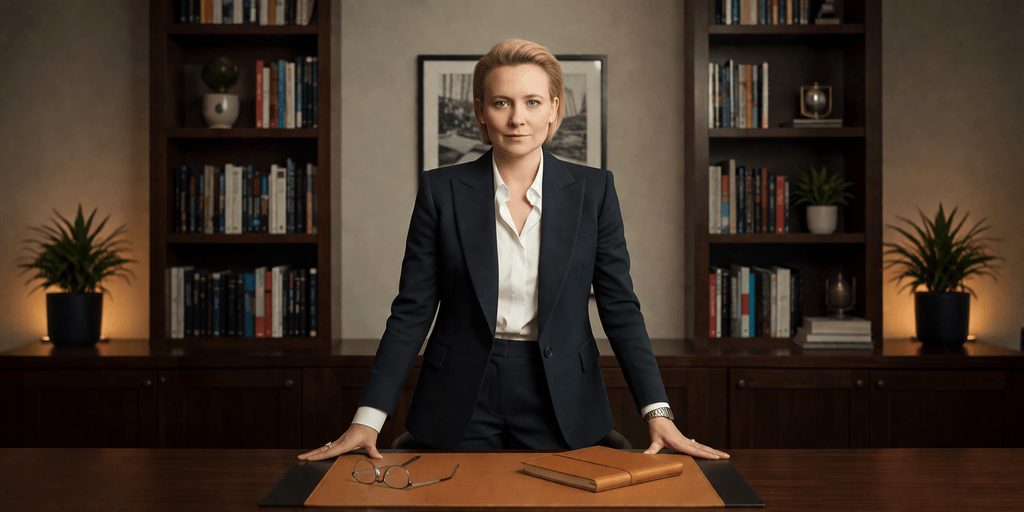
Dr Eva Kroczynski presents survivor centered reporting solutions at CSW70, reshaping global access to justice and support systems.
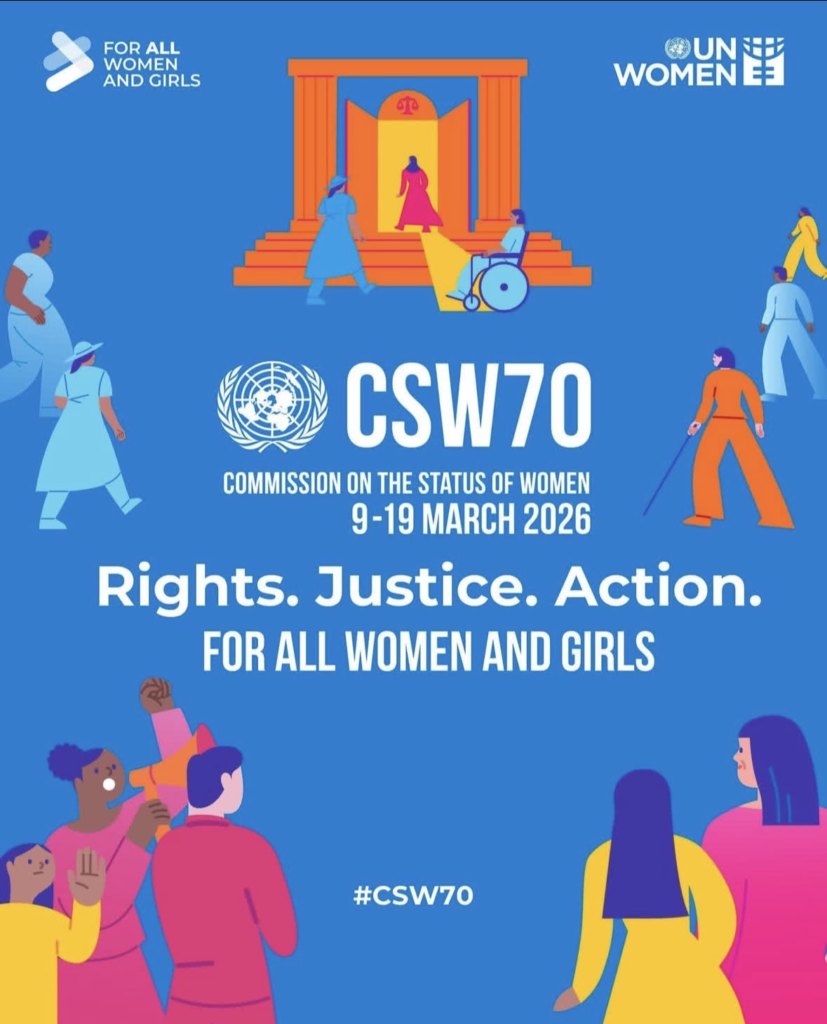
In March 2026, inside the halls of United Nations Headquarters in New York, conversations took on a deeper urgency. Delegates from across the world gathered for the 70th session of the Commission on the Status of Women, known as Commission on the Status of Women, where policy meets lived reality. Among them, Dr Eva Kroczynski stepped forward at a UN Forum parallel event with a message grounded not in theory, but in years of direct engagement. Reporting systems, she argued, must be rebuilt around accessibility, clarity, and trust if they are to truly serve survivors.
A Global Platform For Survivor Centered Reporting Systems
The Commission on the Status of Women remains the largest global gathering focused exclusively on advancing gender equality and protecting women’s rights. Governments, UN agencies, and accredited organizations come together to influence policies that affect millions worldwide. Within this influential setting, Dr Kroczynski engaged with international stakeholders, including major advocacy groups and women’s rights delegations.
Her contribution at CSW70 focused on a critical issue. Reporting systems are not failing because individuals refuse to speak. They are failing because systems are often too complex, fragmented, or inaccessible. By reframing the problem, Dr Kroczynski shifted the narrative from individual hesitation to institutional responsibility.
As an Associate Researcher at New York University specializing in rape kits, she brought evidence based insights to a global audience. Her work highlights how structured, survivor centered reporting systems can restore confidence and increase participation.
From Early Humanitarian Exposure To Global Advocacy
Dr Kroczynski’s commitment to humanitarian work began at the age of 14 in the south of France. Accompanying her mother to shelters for battered women, she witnessed the human impact of violence long before entering academia.
She recalls seeing women whose injuries reflected sustained abuse. These early experiences shaped her understanding of service as an act of humility and consistency. Humanitarian work, she explains, is not about recognition. It is about creating conditions where individuals can rebuild their lives with dignity.
This foundation continues to guide her work today. Whether presenting at global forums or collaborating with institutions, her approach remains rooted in practical, human centered solutions.
Building Measurable Impact Through NGO Consent
Over the past fifteen years, Dr Kroczynski has translated her vision into measurable outcomes through her NGO, Consent. The organization has implemented 17 health programs across 14 countries, focusing on women and children.
The results demonstrate tangible change. More than 8,000 families have transformed their living conditions, improving housing, education, and employment. Additionally, 90,000 individuals have experienced improvements in physical and mental health. These outcomes reflect a consistent methodology that combines research with direct implementation.
Her work shows that effective reporting systems must extend beyond documentation. They must connect individuals to resources that improve long term well being.
Institutional Collaboration And Medical Innovation
Dr Kroczynski’s impact extends into global health institutions. In 2018, she served as coordinator of a public health program at the University of Geneva Institute of Global Health. There, she developed a medical protocol approved by the Geneva Ethics Committee and created in collaboration with the World Health Organization.
This protocol was implemented in Geneva hospitals, establishing a model that integrates ethical standards with clinical practice. It reflects her ability to bridge research and application, ensuring that innovation functions within real systems.
Rethinking Rape Kits As Comprehensive Support Tools
In 2022, while conducting research at New York University, Dr Kroczynski collaborated with hospitals in Manhattan to develop a prototype rape kit designed to go beyond forensic evidence collection. Her model integrates mental health support, procedural guidance, and survivor autonomy.
This expanded approach challenges traditional assumptions. Instead of treating rape kits as isolated tools, she positions them within a broader reporting system that supports individuals from the moment they choose to document their experience.
At CSW70, she presented her vision for global implementation. Central to this vision is a dedicated access platform that enables secure and independent documentation. The initiative is supported by 60 institutional partners and NGOs worldwide, demonstrating strong international alignment.
Recognition And Global Validation
In 2026, Dr Kroczynski received the “Best Health Safety Innovation in Sexual Assault Prevention” award from Best of Best Review in the United States. This recognition reflects growing acknowledgment of solutions that prioritize accessibility and survivor autonomy.
More importantly, it signals a broader shift in global priorities. Institutions are increasingly seeking systems that are both effective and human centered. Dr Kroczynski’s work offers a tested model that can be adapted across regions.
Addressing The Core Issue Of Underreporting
A central theme of her CSW70 presentation was underreporting. While public discussions often focus on inaccuracies, research consistently shows that most cases remain unreported.
This gap weakens institutional responses and leaves individuals without support. Dr Kroczynski emphasizes that the burden placed on survivors is often too high. Complex procedures and fragmented systems discourage engagement.
By simplifying processes and providing independent tools, her approach reduces these barriers. It enables individuals to document their experiences on their own terms, restoring agency and trust.
A Vision For Scalable Global Systems
The presentation at CSW70 marked a significant step toward international expansion. With proven success across multiple regions, Dr Kroczynski’s next phase focuses on scaling survivor centered reporting systems across Europe and beyond.
Her vision is clear. Reporting systems must be accessible, consistent, and adaptable to local contexts while maintaining global standards. In this model, individuals are supported from the moment they begin documenting their experience, not only when they enter formal systems.
This shift has the potential to transform how data is collected, how support is delivered, and how justice systems respond.
Changing The Global Narrative On Reporting
Dr Kroczynski’s work challenges long held assumptions. Silence, she argues, is not an absence of truth. It is often the result of systemic barriers.
When systems become accessible, participation increases. When processes are simplified, trust begins to rebuild. Her research demonstrates that improving design can lead to more accurate data and more effective responses.
By combining scientific rigor with human understanding, she offers a path forward that aligns policy with lived experience.
Explore Survivor Centered Reporting Systems
To learn more about Dr Eva Kroczynski’s initiatives and global projects, visit her official website and explore how structured reporting systems can transform access to justice. Follow her latest insights through Instagram and YouTube, and access her academic contributions via her ORCID profile and published works. Dykinson Libros.
Discover how survivor centered reporting systems are reshaping global standards and creating pathways toward clarity, trust, and meaningful change.

CEO Times Contributor
Covers global markets, corporate finance, and the executive careers built on them.
This article features partner, contributor, or branded content from a third party. Members of the CEO Times editorial staff were not involved in the creation of this content. All views and opinions are those of the contributor alone.