
Red Lobster Declares Bankruptcy, Shutters Nearly 100 Locations

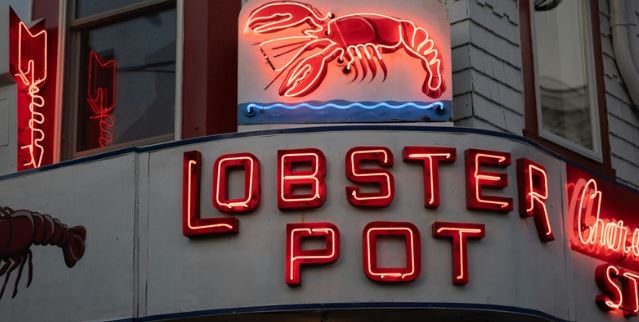
Red Lobster, the iconic American casual dining seafood chain, filed for Chapter 11 bankruptcy protection on May 19, 2024, as a culmination of mounting economic pressures. Within days, the company announced the immediate closure of 99 underperforming restaurants across 27 states, citing a combination of rising costs, heavy lease obligations, diminished consumer traffic, and unprofitable promotions like its “Endless Shrimp” deal. With approximately 580 to 600 of its around 650 locations remaining open, Red Lobster plans to emerge “stronger and more focused on core markets,” all while continuing to negotiate more manageable lease terms with landlords.
Founded in 1968 and once the benchmark of casual seafood dining, Red Lobster has weathered significant changes over the decades. It was part of Darden Restaurants until being sold to Golden Gate Capital in 2014 for $2.1 billion, a transaction that included sale-leaseback deals on nearly 500 locations—subjecting the chain to cumbersome rent costs. In 2020, Bangkok-based Thai Union acquired a majority stake, but by early 2024, the company faced over $1 billion in debt and shrinking profitability.
Industry analysts and lenders, noting the inefficiencies of an oversized and underperforming footprint, proposed a radical downsizing. Bankruptcy filings revealed that leases on many locations were financially unsustainable, with some shuttered sites—including a prominent Times Square branch—facing rent demands exceeding $2.2 million annually. Meanwhile, the infamous “Endless Shrimp” promotion, promoted as a popular offer, reportedly lost the company over $11 million during the third quarter of 2023 when shrimp prices surged.
By filing under Chapter 11, Red Lobster aims to streamline its 550‒580 remaining restaurants, implement operational improvements, renegotiate leases, and facilitate a sale of substantially all assets, ideally as an ongoing business rather than a breakup. The company secured a $100 million debtor-in-possession (DIP) financing commitment from existing lenders, and agreed on a stalking-horse bid by its term-lenders forming a rescue vehicle to purchase the enterprise.
CEO Jonathan Tibus, a seasoned turnaround specialist, noted that Chapter 11 “is the best path forward” to reorganize debt, right-size the estate, and focus on long-term viability. He assured that dining operations would continue uninterrupted during the restructuring.
The fallout has been significant. Staff at closed locations have decried abrupt terminations, especially around peak shifts such as Mother’s Day, with some alleging they received no prior notice or severance. Meanwhile, the closures allow the chain to shed unprofitable sites and renegotiate leases on the remaining portfolio.
The broader context is telling: Red Lobster’s struggle mirrors widespread post-pandemic challenges in the mid-tier casual dining sector—characterized by surging labor and food costs, franchising obligations, and competitors battling for consumer attention. In 2024 alone, chains like TGI Fridays and Foxtrot similarly filed for bankruptcy, a trend spotlighting a landscape in flux.
Looking ahead, a critical phase will unfold. Lease renegotiations could result in additional closings unless agreements are reached. Sources suggest up to 135 more sites might be at risk if rent relief is not secured. Post-bankruptcy, the lender-backed buyer entity, soon to take control, is expected to follow through on operational refocus: optimizing kitchen efficiency, refining menu offerings, and revitalizing remaining locations with fresh investment.
Indeed, later developments indicate the company emerged from Chapter 11 by September 2024, under new ownership by RL Investor Holdings—a vehicle of Fortress Investment Group and co-investors—with Damola Adamolekun (formerly of P.F. Chang’s) installed as CEO alongside a fresh $60 million equity injection. Under his leadership, Red Lobster has launched a nostalgic menu overhaul and refurbishments to reinvigorate the brand.
In summary, Red Lobster’s May 2024 Chapter 11 filing and 99 location closures reflect the company’s urgent response to a challenging cost structure rooted in lease obligations and overpromotional errors. The restructuring is designed to rebalance its portfolio, secure tenant-friendly leases, and realign the product and service model around sustainable dining experiences. Its progress will offer a valuable case study for struggling casual dining chains seeking to pivot in a post-pandemic economy.

CEO Times Contributor
Covers global markets, corporate finance, and the executive careers built on them.
This article features partner, contributor, or branded content from a third party. Members of the CEO Times editorial staff were not involved in the creation of this content. All views and opinions are those of the contributor alone.