
Navigating Global Supply Chain Disruptions: A Key Challenge for U.S. Businesses in September 2022

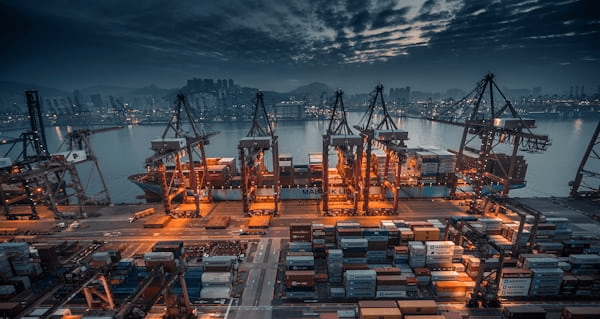
In September 2022, global supply chain disruptions remained a pressing issue for businesses across various sectors, including manufacturing, retail, and technology. These disruptions, largely fueled by the ongoing effects of the COVID-19 pandemic, resulted in semiconductor shortages, shipping delays, and raw material shortages. As businesses struggled to meet growing consumer demand, many CEOs took decisive actions to mitigate these challenges, adjusting their strategies to maintain operational continuity.
The Impact of Global Supply Chain Disruptions
At the heart of the disruptions were several key issues, including the following:
- Semiconductor Shortages: The pandemic’s disruption to manufacturing facilities worldwide led to a significant global shortage of semiconductors, which are critical components for products ranging from smartphones and cars to household electronics.
- Shipping and Logistical Delays: Port congestion, labor shortages, and changes in consumer demand patterns all led to significant delays in shipping and transportation. These disruptions affected the timely delivery of goods, leading to stockouts and delayed product launches.
- Raw Material Shortages: Shortages of raw materials such as steel, aluminum, and plastics increased production costs, while scarcity in other areas caused delays in the manufacturing process.
These factors, combined with rapidly shifting consumer demand, made it difficult for businesses to plan and predict inventory needs, leading to increased uncertainty and operational stress.
Strategic Responses from CEOs: Innovating for Resilience
As the pandemic continued to evolve, many CEOs, especially in the tech and retail industries, recognized that supply chain resilience would be key to staying competitive. Leading voices, such as Apple’s CEO Tim Cook, were vocal about the need for long-term solutions that could help minimize future disruptions.
Reshoring Manufacturing
One of the most discussed strategies in 2022 was reshoring, or bringing manufacturing back to the U.S. Reshoring allowed companies to reduce dependence on foreign suppliers and factories, which had become increasingly unreliable due to global disruptions.
Apple, for instance, pushed to increase its manufacturing in the U.S. and other regions to decrease reliance on East Asia, which had faced significant supply chain challenges. By reshoring some of its operations, Apple could shorten supply chains and reduce the impact of geopolitical uncertainties or further pandemic-related disruptions.
Diversifying Suppliers
Another key strategy adopted by many businesses was supplier diversification. Rather than relying on a single supplier or manufacturing partner, companies began to work with multiple vendors across different regions. This would help mitigate the risk posed by disruptions in one area by ensuring a broader network of suppliers.
For instance, Tim Cook stressed the importance of sourcing from different countries and regions to avoid being overly dependent on a single point of failure. Apple and other tech giants took steps to diversify their supply chains, securing suppliers in Southeast Asia, India, and even Latin America, in addition to their traditional partners in China.
Leveraging Technology for Transparency
Supply chain visibility and transparency became crucial as companies sought ways to manage complex global networks. Many businesses turned to advanced data analytics, artificial intelligence (AI), and Internet of Things (IoT) technologies to gain real-time insights into their supply chains. This enabled companies to anticipate issues, optimize inventory levels, and enhance decision-making.
Retailers, in particular, leveraged AI to predict trends in consumer demand, allowing them to adjust their stock levels and distribution channels accordingly. By combining predictive analytics with automated supply chain management, companies could reduce the impact of delays and improve their ability to meet customer expectations.
The Importance of Adaptability in Times of Crisis
CEOs who quickly adapted to these new supply chain realities were better positioned to navigate the disruptions and maintain customer satisfaction. The pandemic underscored the need for flexibility in supply chain strategies, and those companies that embraced change were able to better weather the storm.
Resilient Companies: The Winners in September 2022
In the face of ongoing supply chain crises, businesses that embraced innovative solutions and flexible strategies managed to maintain product availability and customer loyalty. For example:
- Tesla maintained a competitive edge by securing key components and materials early, allowing the company to continue producing vehicles while other manufacturers struggled to source critical parts.
- Walmart used its vast distribution network and data analytics to optimize its inventory, ensuring that it could meet demand even when products were delayed or unavailable in certain regions.
- Procter & Gamble increased its focus on digital tools to enhance visibility across its supply chain, reducing lead times and optimizing product deliveries.
The Road Ahead: Preparing for Future Disruptions
While some industries began to recover in the latter part of 2022, experts warned that the global supply chain challenges were far from over. Rising geopolitical tensions, the continued threat of new pandemics, and climate change-related disruptions were seen as potential future risks to the stability of global supply chains.
As such, it was clear that supply chain resilience would remain a top priority for CEOs and business leaders heading into 2023. Looking ahead, companies are likely to continue to focus on:
- Investing in Technology: Leveraging emerging technologies to improve efficiency, traceability, and adaptability in supply chains will remain a priority.
- Strengthening Supplier Relationships: Companies may look to further solidify relationships with key suppliers, ensuring that they have more reliable and diversified sources of materials and components.
- Sustainability Initiatives: In addition to resilience, businesses may increasingly prioritize sustainability by investing in more eco-friendly and ethical sourcing strategies.
Conclusion
The supply chain challenges of September 2022 highlighted the importance of resilience, flexibility, and innovation in the face of global disruptions. CEOs who adopted forward-thinking strategies, such as reshoring, diversifying suppliers, and investing in technology, were better able to adapt to changing conditions and maintain business continuity. As businesses continue to navigate an unpredictable global landscape, those that focus on long-term solutions for supply chain resilience will be best positioned for success in the years to come.
Header Image Suggestion:
An image of a global map with highlighted supply chain routes, illustrating key trade routes and manufacturing hubs, overlaid with symbols representing technology, logistics, and innovation.

CEO Times Contributor
Covers leadership, business strategy, entrepreneurship, and the people building innovative companies.
This article features partner, contributor, or branded content from a third party. Members of the CEO Times editorial staff were not involved in the creation of this content. All views and opinions are those of the contributor alone.