May 2022: Redefining the Future of Work – CEOs Focus on Hybrid Models and Flexibility

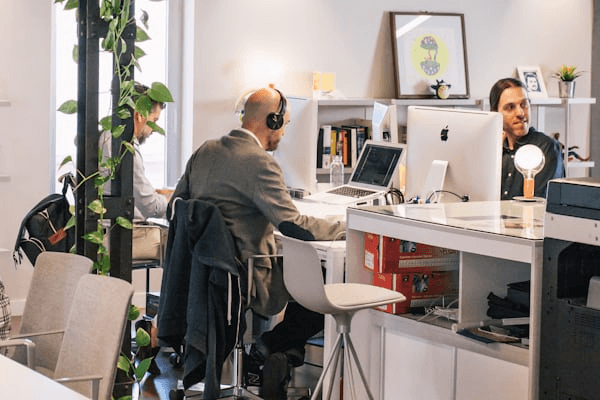
May 2022 marked a pivotal moment in the evolution of workplace dynamics. As the world continued to navigate the aftermath of the pandemic, CEOs were faced with a critical decision: what would the future of work look like? While some leaders, such as Jamie Dimon of JPMorgan Chase, pushed for a return to physical offices, others, like Satya Nadella of Microsoft, embraced a new era of hybrid and flexible work policies. This shift signified a major change in how businesses approached collaboration, employee engagement, and talent retention.
The Debate: Return to Office or Remote Flexibility?
The debate surrounding hybrid work models reached its peak in May 2022. While many companies had adopted remote work at the height of the pandemic, CEOs were now assessing the long-term implications. The question on everyone’s mind was whether remote work would continue indefinitely or if employees should return to the office full-time.
For Jamie Dimon, CEO of JPMorgan Chase, the answer was clear: in-person work was essential for maintaining the company’s fast-paced, innovative environment. Dimon argued that the office was crucial for collaboration, mentorship, and spontaneous interactions that could not easily be replicated in a remote setting. According to Dimon, these face-to-face exchanges were vital for nurturing the company’s corporate culture and ensuring teams remained aligned.
However, while Dimon called for a return to the office, he acknowledged the necessity for some flexibility. Even he recognized that certain roles could be performed remotely without compromising productivity. Still, his preference was for employees to be back in the office, emphasizing the need for a balance between flexibility and in-person collaboration.
Satya Nadella: Embracing Hybrid Flexibility
In stark contrast to Dimon’s stance, Satya Nadella, CEO of Microsoft, took a more progressive approach to the future of work. Nadella embraced the hybrid model, allowing employees to work from home while also offering the option of in-person collaboration when needed. Microsoft’s strategy recognized that remote work was not just a temporary solution, but rather an opportunity to reshape the company’s work culture for the long term.
For Nadella, flexibility was key to the company’s ability to retain top talent. He argued that the pandemic had demonstrated that employees could be just as productive—if not more so—working remotely. Microsoft’s decision to embrace hybrid work reflected a broader shift within the tech industry, where flexible work arrangements became a competitive advantage in attracting and retaining skilled workers. This focus on flexibility not only addressed employee demands but also aligned with the changing expectations of the modern workforce.
Nadella’s approach also emphasized the role of technology in supporting hybrid work. Microsoft, already a leader in collaboration tools like Microsoft Teams, used its own products to ensure seamless communication and productivity for remote teams. This integration of technology into the hybrid model allowed Microsoft to remain connected, even as employees worked from different locations.
The Hybrid Model: Striking a Balance
As companies like JPMorgan Chase and Microsoft adapted to hybrid work models, a key challenge became maintaining the right balance between flexibility and collaboration. The shift to remote work had raised concerns about employee engagement and the potential for isolation. CEOs recognized that while remote work could boost work-life balance, it also risked diminishing the sense of connection and community that comes with in-person office interactions.
For this reason, many leaders turned to hybrid models as a solution. Under these models, employees were given the flexibility to work from home part of the week but were also encouraged to come into the office for meetings, brainstorming sessions, and team-building activities. The idea was to create an environment where employees could enjoy the benefits of remote work while still fostering collaboration and creativity through face-to-face interactions.
This hybrid approach was seen as a compromise between the desires of employees for greater flexibility and the need for businesses to maintain a strong, unified culture. It allowed companies to continue benefiting from the efficiency of remote work while still providing opportunities for in-person collaboration and networking.
The Role of Technology in the Future of Work
In May 2022, technology played an increasingly important role in shaping the future of work. With the rise of hybrid models, businesses needed to invest in tools that enabled remote collaboration and communication. Platforms like Zoom, Microsoft Teams, and Slack became integral to maintaining connections between distributed teams.
The adoption of these technologies was not just about ensuring that employees could stay connected during work hours, but also about fostering a more dynamic, flexible work environment. Companies that embraced these tools were able to bridge the gap between remote and in-office employees, allowing for more seamless collaboration across different work settings.
Moreover, the use of technology allowed for better tracking of productivity and performance, enabling CEOs to assess employee output without relying on traditional office-based metrics.
Talent Retention and Employee Expectations
One of the driving factors behind the push for flexible work arrangements in May 2022 was the changing expectations of employees. With a highly competitive job market, businesses recognized that offering remote or hybrid work options could be a powerful tool for attracting and retaining top talent. Employees now expected more autonomy over where and how they worked, and companies that were unwilling to adapt risked losing skilled workers to competitors that offered more flexibility.
In this new landscape, companies that prioritized employee well-being and work-life balance were seen as more attractive employers. The shift to hybrid models was not only about meeting current demands but also about ensuring long-term success in a rapidly evolving job market.
Conclusion: The Future of Work is Hybrid
As the conversation around hybrid work models continued to evolve in May 2022, it became clear that the future of work was no longer about returning to the office full-time. Instead, companies were focusing on finding the right balance between flexibility and collaboration. The hybrid model emerged as a solution that could accommodate the diverse needs of employees while still allowing businesses to maintain a strong sense of connection and innovation.
CEOs like Jamie Dimon and Satya Nadella exemplified the ongoing shift in corporate thinking, recognizing that the future of work would be shaped by flexibility, technology, and an emphasis on employee engagement. As companies embraced hybrid models, the work environment began to transform, setting the stage for a more dynamic and adaptable workforce in the years to come.

CEO Times Contributor
Covers leadership, business strategy, entrepreneurship, and the people building innovative companies.
This article features partner, contributor, or branded content from a third party. Members of the CEO Times editorial staff were not involved in the creation of this content. All views and opinions are those of the contributor alone.