
Manufacturers Turn to Innovation to Overcome Workforce and Supply Hurdles

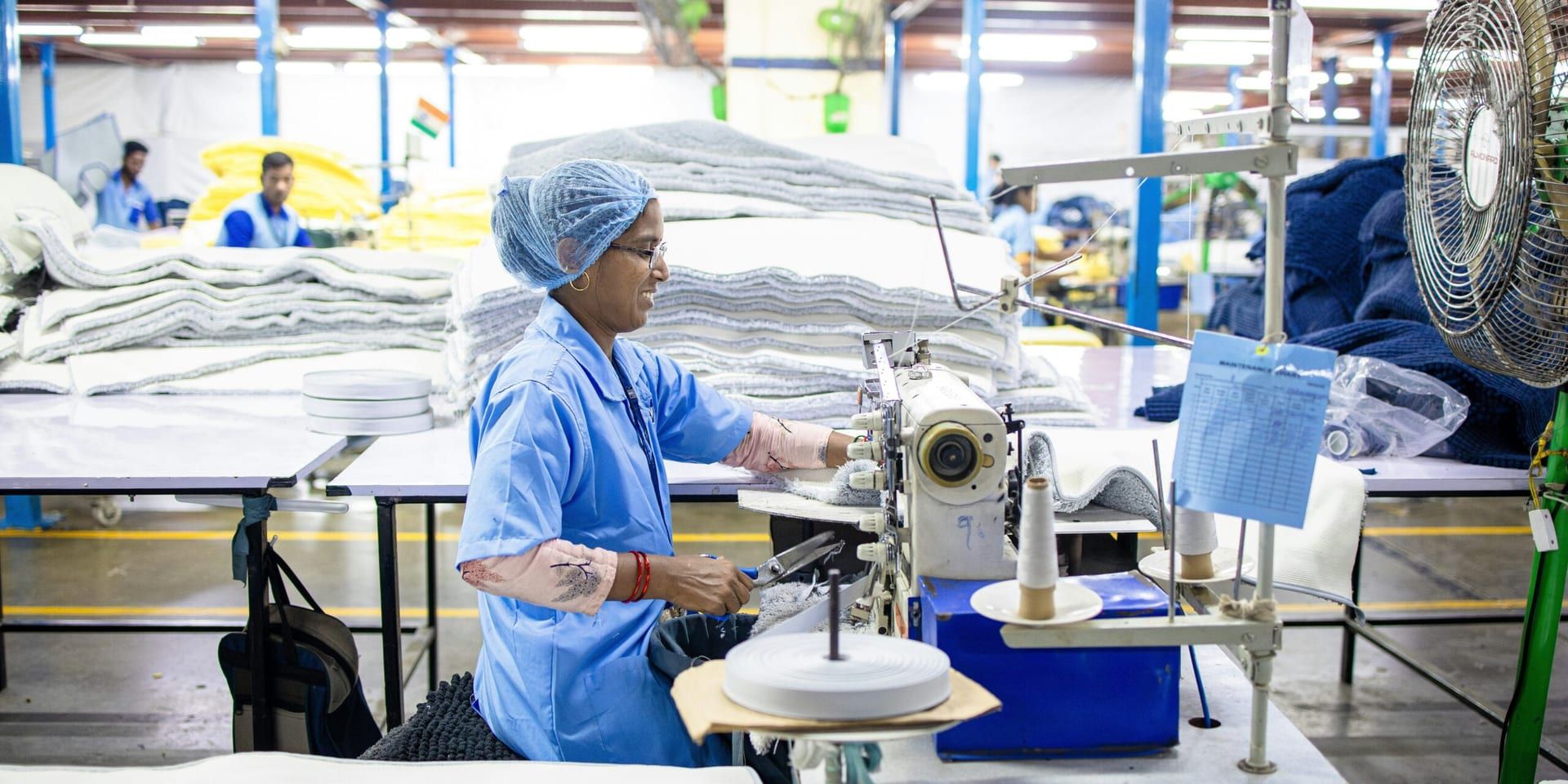
In May 2022, the manufacturing sector in the United States faced a challenging landscape marked by acute labor shortages and rising input costs. As economic recovery efforts continued post-pandemic, manufacturers were under pressure to keep up with a resurgence in consumer demand. However, limited availability of skilled labor and the escalating prices of raw materials posed serious threats to operational efficiency.
Many companies found themselves unable to fill open positions, particularly those requiring specialized skills in machinery operation, quality control, and logistics. This labor gap not only slowed down production timelines but also increased reliance on existing employees, often leading to burnout and reduced morale on the factory floor. To address this, several firms ramped up recruitment efforts, offering competitive wages, signing bonuses, and improved workplace conditions in a bid to attract and retain talent.
Meanwhile, supply chain disruptions continued to exacerbate the situation. The cost of essential materials like steel, aluminum, and plastics surged, driven by both global shortages and transportation bottlenecks. These increases strained budgets and forced manufacturers to reassess their sourcing strategies. Some opted to secure long-term contracts with suppliers, while others began exploring local sourcing options to mitigate the impact of international delays.
In response to these dual pressures, innovation emerged as a crucial survival tool. Automation technologies, such as robotics and AI-powered systems, gained popularity as companies sought ways to sustain production with fewer human workers. Small and mid-sized manufacturers, traditionally slower to adopt high-tech solutions, began investing in automation to increase efficiency and reduce dependency on manual labor.
Training and upskilling initiatives also gained momentum. Industry leaders partnered with vocational schools and community colleges to develop targeted programs that could quickly prepare workers for in-demand manufacturing roles. These collaborations aimed to create a more resilient labor pipeline while promoting long-term workforce sustainability.
Despite the hurdles, the manufacturing sector demonstrated adaptability and resilience. While challenges persisted, the proactive steps taken by many companies signaled a shift toward more innovative, flexible, and sustainable operations. The experiences of May 2022 underscored the importance of strategic planning and the critical role of technology and human capital in navigating future disruptions.

CEO Times Contributor
Covers global markets, corporate finance, and the executive careers built on them.
This article features partner, contributor, or branded content from a third party. Members of the CEO Times editorial staff were not involved in the creation of this content. All views and opinions are those of the contributor alone.