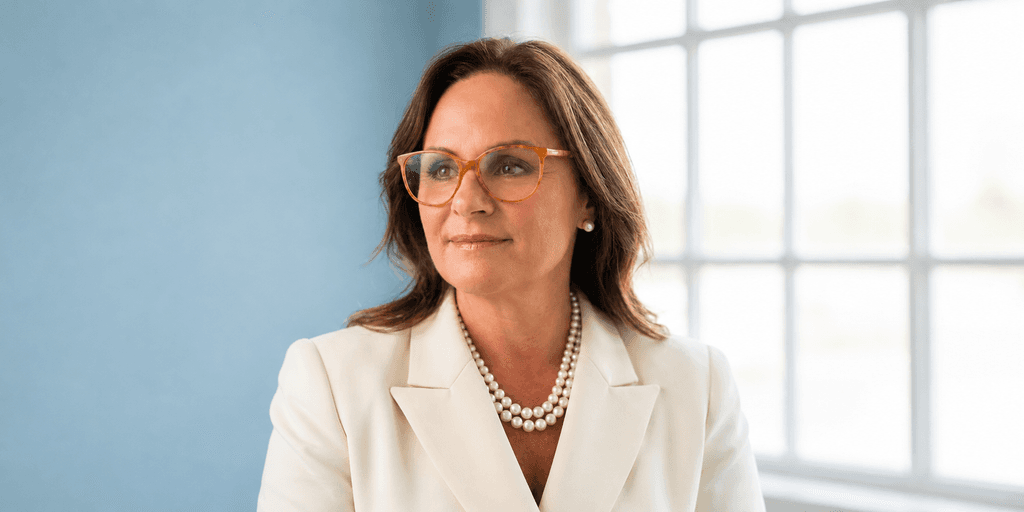
ManpowerGroup Names Rebecca Frankiewicz As Next CEO In Major Leadership Transition


ManpowerGroup selects Rebecca Frankiewicz as its next CEO, marking a significant leadership transition focused on continuity and future growth.
A major leadership decision at ManpowerGroup on October 13, 2026, marked an important moment for one of America's established workforce solutions companies. As organizations across industries continued to rethink how they attract talent, develop employees, and adapt to technological change, the company's board selected Rebecca Frankiewicz to become its next chief executive officer. The decision placed an experienced internal leader at the center of ManpowerGroup's next chapter and highlighted the importance of careful succession planning in a changing business environment.
According to the company's regulatory filing dated October 13, Frankiewicz, then serving as president and chief strategy officer, was appointed to succeed Jonas Prising effective January 1, 2027. Prising, who had led the company as CEO since 2014, was set to become executive chair of the board. The transition offered a clear example of how established corporations can prepare for executive change while preserving institutional knowledge and strategic direction.
ManpowerGroup Leadership Transition Establishes A New Executive Structure
The board's decision created a defined path for the company's next leadership phase. Frankiewicz was appointed chief executive officer, while Prising would move into the executive chair position at the beginning of 2027.
The board also approved an increase in its membership from 11 to 12 directors. Frankiewicz was appointed to join the board on the same date her CEO responsibilities would begin.
This structure reflects an approach to succession that combines new executive authority with continuity at the board level. Rather than creating an immediate leadership vacancy, the company established a transition period that allowed responsibilities to be transferred through a planned process.
For organizations managing complex operations, leadership continuity can help maintain clear communication among employees, customers, and business partners.
The appointment also demonstrated the role internal executive development can play in preparing companies for significant management changes.
Rebecca Frankiewicz Brings Strategic Leadership Experience
Before her appointment, Frankiewicz served as ManpowerGroup's president and chief strategy officer, placing her close to the company's commercial priorities and long term planning.
Her position involved responsibilities connected to business strategy, organizational development, and the company's response to changing workforce needs.
ManpowerGroup operates through established brands including Manpower, Experis, and Talent Solutions. These businesses serve different areas of workforce management, recruitment, and professional talent services.
Leading such an organization requires an understanding of customer expectations, operational performance, and the challenges employers face when planning their workforce requirements.
Frankiewicz's selection therefore represented a decision to elevate an executive already familiar with the company's structure and strategic direction.
However, her future performance as CEO will depend on how effectively the organization executes its plans after the transition takes effect.
Jonas Prising Prepares To Move Into Executive Chair Role
Prising's planned move to executive chair marked another important element of the announcement.
Having served as chief executive since 2014, he brought more than a decade of experience leading the organization through changes in global employment markets and business operations.
His new position would allow him to continue contributing at the board level while transferring responsibility for daily executive leadership to Frankiewicz.
The distinction between these roles matters. A chief executive manages the company's operations and strategic execution, while an executive chair provides leadership within the board's governance structure.
Clear responsibilities between these positions can support effective decision making and reduce uncertainty during a transition.
For other business leaders, the arrangement illustrates why succession planning involves more than identifying a replacement. It also requires defining how existing leadership will support the organization after responsibilities change.
Why Executive Succession Planning Matters For Corporate Stability
Leadership transitions can influence employee confidence, organizational priorities, and relationships with important stakeholders.
When companies communicate succession decisions in advance, they provide employees and business partners with greater visibility into future management arrangements.
ManpowerGroup's October 13 decision established a specific effective date, identified the incoming CEO, and clarified the outgoing chief executive's next role.
These details provide a framework for continuity as the company prepares for its next operating period.
The announcement also highlights the importance of developing senior executives who understand the organization's customers, culture, and strategic objectives.
Internal succession does not eliminate business challenges. Nevertheless, it can provide a foundation for maintaining established relationships while introducing new leadership perspectives.
For executives responsible for succession planning, the ManpowerGroup transition offers a practical example of how leadership development and board oversight can work together.
A New Leadership Chapter For ManpowerGroup
The October 13 appointment came as workforce services companies continued adapting to changing employer requirements, digital transformation, and growing interest in artificial intelligence.
These developments create important questions about how organizations recruit employees, develop skills, and improve workforce productivity.
Frankiewicz will inherit responsibility for guiding ManpowerGroup through this environment while balancing established business operations with future opportunities.
Her appointment does not guarantee a particular commercial outcome. Instead, it establishes the leadership structure through which the company will pursue its objectives.
The coming transition will provide an opportunity to observe how an experienced internal executive shapes corporate priorities while working alongside a former CEO serving as executive chair.
For American business leaders, the broader takeaway is clear. Effective succession planning requires preparation, defined responsibilities, and a commitment to organizational continuity.
As ManpowerGroup prepares for January 2027, its leadership transition offers a relevant case study for executives seeking to understand how established companies manage change at the highest level.

CEO Times Contributor
Covers leadership, business strategy, entrepreneurship, and the people building innovative companies.
This article features partner, contributor, or branded content from a third party. Members of the CEO Times editorial staff were not involved in the creation of this content. All views and opinions are those of the contributor alone.