
Liberation Day Tariffs Jolt Global Markets

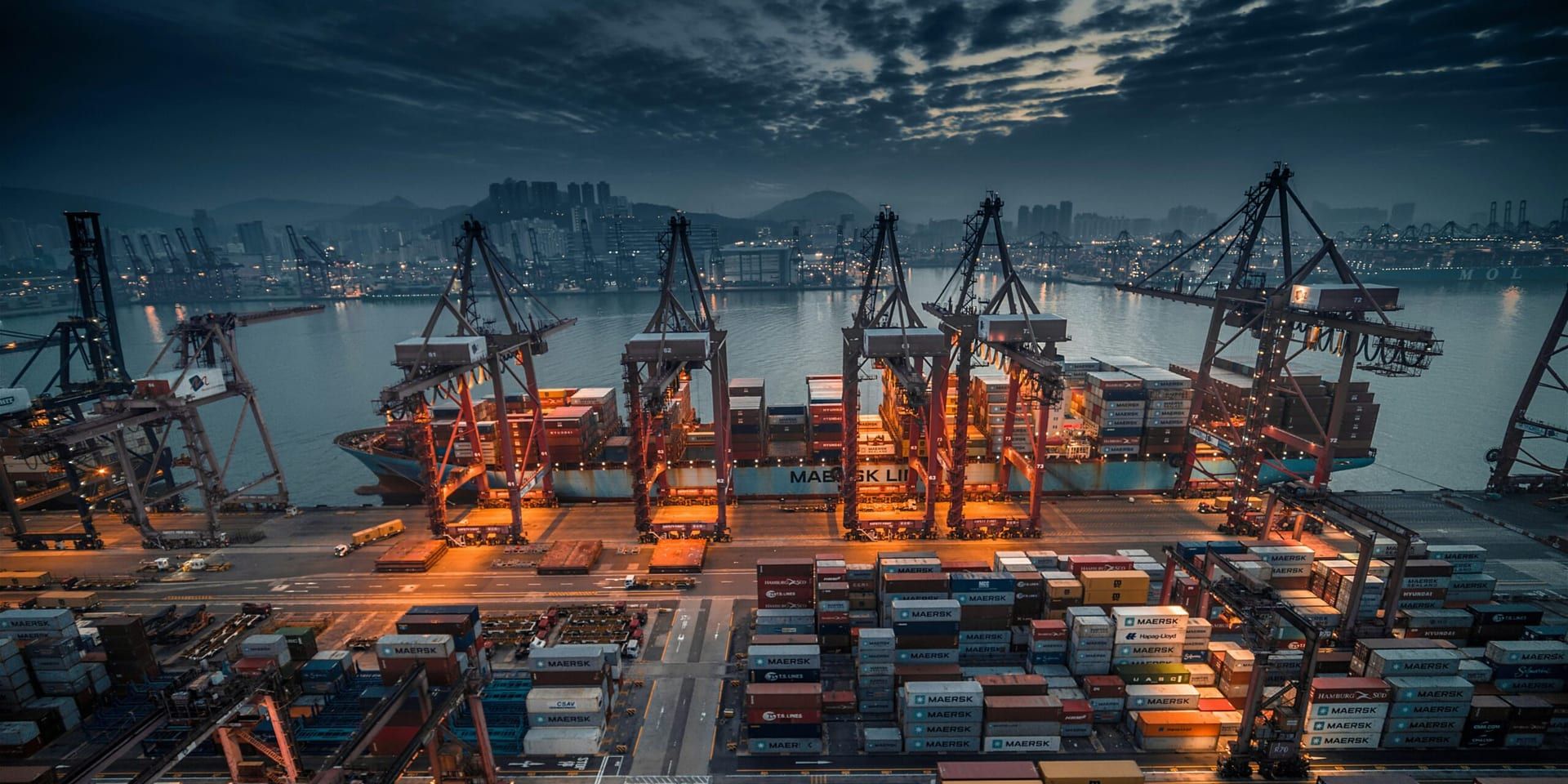
In a dramatic and unprecedented move, the White House unveiled sweeping import tariffs on April 2, 2025—coining the date “Liberation Day” as a declaration of economic sovereignty. The centerpiece of the initiative is a blanket 10% tariff on all imports, with escalated “reciprocal” levies targeting approximately 60 countries, including 34% on China, 20% on the EU and 26% on India. These aggressive measures have reverberated across global financial markets.
Just hours after the announcement, U.S. futures plummeted: S&P 500 down 3.9%, Nasdaq‑100 off 4.7%, and the Dow contracting 2.7%. The following day saw the S&P drop nearly 4.9%, Nasdaq by 6%, and the Dow by nearly 4%—just three of the most turbulent days in history. Within 48 hours, the Dow fell over 4,000 points, wiping nearly $6.6 trillion in market value across the Dow, S&P 500, and Nasdaq—the steepest two-day decline on record.
Europe and Asia felt the shockwaves: the FTSE 100 dropped 1.6%, CAC 40 by 3.3%, and Germany’s DAX by 3.1%; in Japan, the Nikkei 225 slipped 2.8%, and TOPIX dropped 3.1%.
Global supply chains have been plunged into turmoil. Just-in-time inventory systems are faltering as companies scramble to revise demand forecasts and reorder plans. Delays in pricing signals and sudden cost spikes are forcing many exporters and manufacturers to pause or cancel shipments—notably in sectors like machinery and textiles, which are heavily reliant on U.S. markets.
Oxford Economics’ TradePrism model forecasts deep structural damage to trade flows, especially for Asian exporters who lack alternate routes. They may lose U.S. market share overall, despite some low-tariff economies picking up volume.
In the short term, procurement strategists report that the degree of uncertainty introduced by the tariffs represents a turning point—one requiring agility and rerouting of supply chains.
Contrary to conventional theory where global uncertainty might strengthen the dollar, the greenback weakened following the tariff shock. A portfolio-diversion effect saw investors withdraw from U.S. equities into other developed market currencies and assets.
Simultaneously, volatility soared—the VIX spiked—as oil and bonds saw risk-off behavior and portfolios shifted, fueling gold gains. U.S. Treasury yields dropped immediately as capital fled toward safer havens.
The tariff program’s scope—the most sweeping since Smoot-Hawley—provoked fierce international resistance. China retaliated swiftly, slapping 34–84% levies on U.S. exports. The EU, Brazil, Canada, and others prepared countermeasures, raising fears of a full-blown trade war.
Domestically, U.S. courts have challenged the president’s authority to impose tariffs under the International Emergency Economic Powers Act (IEEPA). On May 28, the U.S. Court of International Trade invalidated the tariffs, citing constitutional overreach. The ruling is under appeal, so the tariffs remain enforced pending judicial review, with oral arguments scheduled July 31.
Politically, former Vice President Mike Pence denounced the policy in early April as the largest peacetime tax hike in U.S. history, and tech leaders like Elon Musk publicly criticized White House advisor Peter Navarro, calling his credentials and strategy into question.
A temporary reprieve was granted on April 9, when the administration delayed reciprocal tariffs for 90 days ahead of negotiations with key partners like the UK, China, and Vietnam. These concessionary pauses helped stabilize markets, and by July some indices reached new highs. Yet lingering risks remain: tariff threats looming in August, weak dollar sentiment, and unpredictable policy shifts continue to rattle investor confidence.
Financial advisors report shifts toward domestic, service-sector equity exposure and increased allocations to gold and other haven assets—reflecting long-term caution.
Economists warn that the active tariff regime could stunt long-term growth and push the U.S. toward stagflation—simultaneously high inflation and stagnation. With tariff revenue at $64 billion this quarter—below earlier projections—and rising consumer prices (~2.7% inflation in June), critics argue the policy may worsen the budget deficit rather than ease it.
Moreover, tariff escalation—targeting Brazil, Sri Lanka, Canada, and others—indicates that protective measures may spread beyond initial targets, heightening the likelihood of global recession.
While the initial market shock from “Liberation Day” was severe, a tentative recovery has emerged. Yet beneath the surface, inflation pressures, supply chain disruptions, policy confusion, and legal limbo are becoming entrenched. With a pivotal U.S. Court of Appeals ruling expected after July 31, and tariff suspensions scheduled to expire on August 1, markets and policy analysts globally watch closely for next moves.
Importantly, analysts stress that today’s reprieve may be temporary. Portfolio managers caution that unless policy clarity and durable trade negotiations materialize—with markets taking the IEEPA challenge into account—the risk of steep market correction remains real in late 2025.
The “Liberation Day” tariffs have triggered a seismic shift—not only in market mechanics, but across legal, diplomatic, and economic structures worldwide. While short-term instability has been tempered by temporary suspension and partial deals, uncertainty remains high. Investors and policymakers alike face a fraught path ahead as the global economy grapples with a new era of protectionism.

CEO Times Contributor
Covers global markets, corporate finance, and the executive careers built on them.
This article features partner, contributor, or branded content from a third party. Members of the CEO Times editorial staff were not involved in the creation of this content. All views and opinions are those of the contributor alone.