
Ivan Ivanka’s Case For More Ambitious Businesses

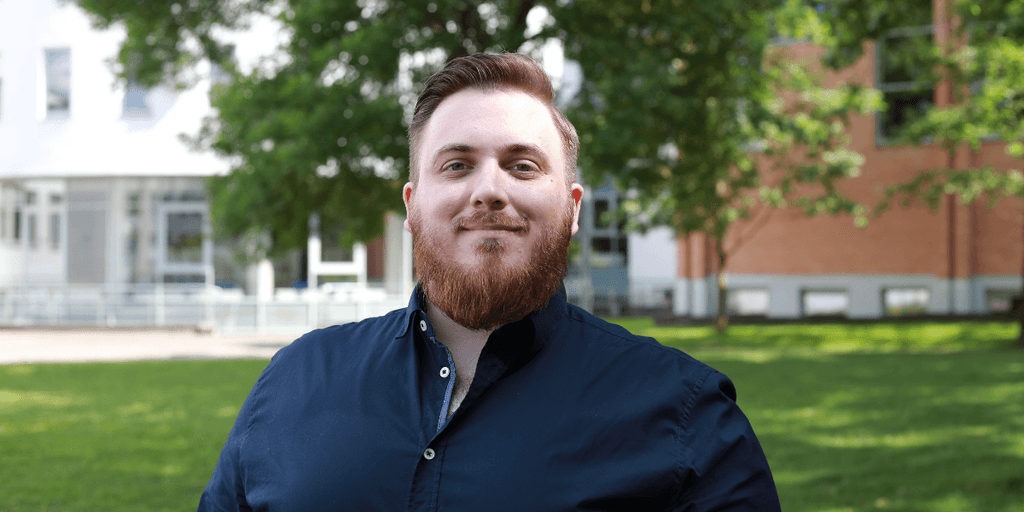
The Markster founder, investor and mentor links business capabilities to new customers, opportunities and the people who make growth possible.
Ivan Ivanka wants the owners of existing businesses to think bigger about what their companies can do. “I think we can be a hell of a lot more ambitious about what a business is capable of.”
For Ivanka, that ambition reaches beyond completing familiar tasks faster. When a useful service becomes cheaper to deliver, a company can reconsider its offer, reach customers it could not afford to serve or enter a market that previously made little commercial sense. The opportunity also asks more of the owner: deciding where to commit money, what the team needs to learn and how to deliver on the new promise.
He works on those questions from several positions. He is building Markster, a company backed by 500 Global, invests in startups through Camel Capital and co-builds ventures at i1x. He also co-founded and led a chapter of Founder Institute. By his account, his mentoring work has reached more than 10,000 founders across North America, Europe, the Middle East, Asia and Africa.
What an Existing Business Can Become
Markster brings business expertise, software and hands-on work together around a company’s needs. Growth, delivery, people and finance all belong in that picture. A better way to win customers can require a different way to fulfil the work; a larger contract can require more cash before it produces any. The company’s capabilities need to develop together.
The starting question is what the business should take on, what knowledge it needs and which decisions the owner and team must be equipped to make.
Ivanka’s research gives him another way to examine that problem. In 2026, he led a six-week study through Markster of how Texas accounting firms appeared in search results and AI-generated information. His work covered the study design, collection, verification, analysis and publication.
Across 200 measured first-page Google positions, local or Texas-only firms held 59 while directories and marketplaces held 60. In the separate analysis of 567 named firms, directories, review sites and marketplaces accounted for almost nine times as many recorded source mentions as firm-owned websites. The Google positions and AI source mentions measured different questions. Both raised a practical question for an owner: whose account of the company is easiest to find and check?
These findings concern search positions and recorded sources, rather than measured customer losses or revenue. They give owners a specific part of their business to investigate before deciding what to change.
Growth Asks Something of the Owner, Too
His interest in how companies work predates the current AI boom. His career began in restaurant operations at Burger King and KFC, continued through business development and partnerships at HubHub, and included sales and marketing leadership within the 1,500-person Helmes group.
Working across different businesses also gave him experience of the mistakes growth can expose. In Native Teams’ 2026 Global Expansion Report, he described hiring internationally before the supporting financial, payroll and legal arrangements were ready. He then had to rebuild that infrastructure while the product, customers and team still needed him.
Developing people is part of the same work. In an account from his career, a new colleague kept asking him about decisions the colleague understood better. Ivanka asked him to imagine that they had already worked together for two years and consider what he would do differently. He had hired the colleague for that knowledge and wanted him to use it.
The exercise remains one he uses with employees and clients. Giving someone responsibility requires room to decide, an understanding of the consequences and a way to correct mistakes. An owner who keeps every decision also limits how much of the team’s expertise the business can use.
Developing More Entrepreneurs
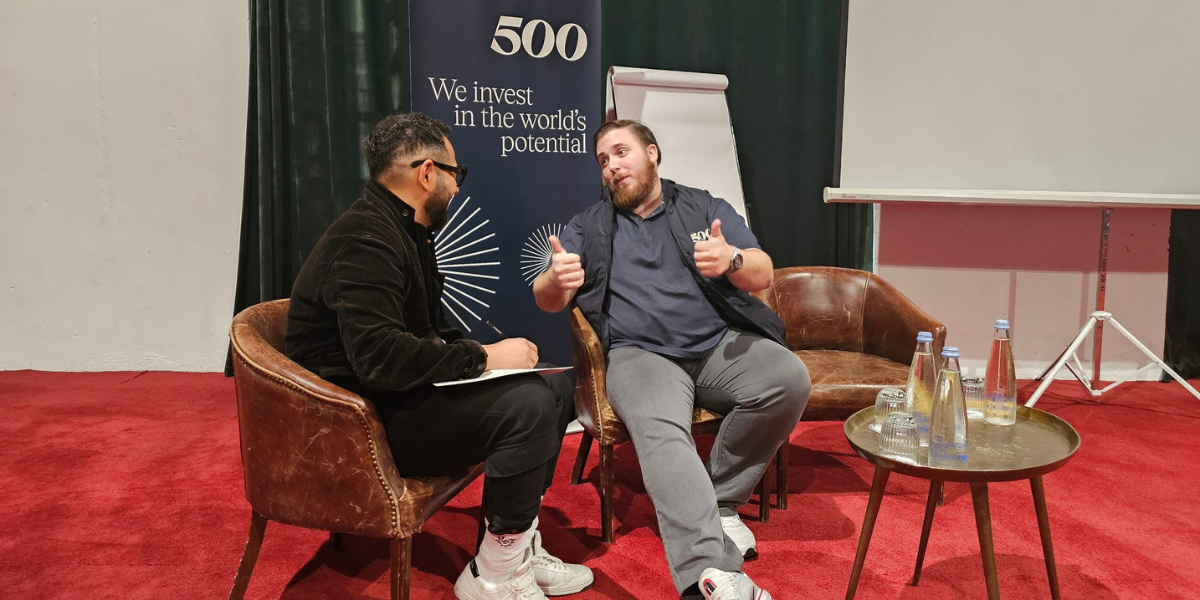
Ivanka’s work with founders covers revenue models, growth and investor preparation. In December 2025, he taught Revenue and Business Models for Founder Institute’s Lagos cohort, then followed the session with individual founder office hours. In January 2026, he gave live pitch feedback through Founder Institute’s Startup Pitch Practice in Silicon Valley.
These sessions turn broad ambitions into questions a founder must answer: who will pay, which model fits the business, what assumptions need testing and what an investor needs to understand. The individual work after a session gives founders space to examine those questions in their own companies.
Since 2020, he has also coached technology companies and scaleups through programmes including BLOCKCHERS, funded through the European Union’s Horizon 2020 programme. Companies he has coached later raised Series A through D funding, and some exited. His work with their founders is one part of that wider company-building experience.
In 2026, Mark de Grasse publicly credited Ivanka’s help in developing the Founder Freedom Ladder, a framework for business owners assessing their next stage.

Backing and Co-building Businesses
Camel Capital, which Ivanka founded, gives his work an investment dimension. Its focus includes early-stage B2B software, AI and businesses that generate cash. At i1x, where he is General Manager, he co-builds B2B ventures with founders working on new technology.
Investing requires a judgment about which opportunities deserve capital. Co-building means doing the work alongside founders. Both connect to his broader interest in developing businesses and the people capable of running them.
His technical experiments include an athlete-analytics lab adaptation using Google Cloud, with public model-building SQL and checks on its outputs. His writing ranges from business economics and leadership to personal essays and poetry.
The Ambition Ahead
His professional education includes four professional master’s programmes at ENEB and ongoing doctoral work. His personal recognition includes DigitalMarketer’s Growth Hacker of the Year in 2022, and CEO Monthly’s CEO of the Year in 2021 and Rising Star in Digital Marketing Leadership in 2022.
He is developing Small Team, Big Business, a book about competing, growing and doing more with the team an owner has, and Liberated Founders, a course in preparation. His longer-term ambition for Markster includes dedicated computing systems for individual businesses and extending that work into physical operations.
Ivanka believes extraordinary results require extraordinary sacrifice. His ambitions ask him to make those choices himself: where to commit time, money and trust, and how to develop people who can take the work further.
Current work, research, writing and recorded talks: theivanivanka.com.

CEO Times Contributor
Covers business, innovation, and leadership, with a particular interest in entrepreneurs and emerging brands.
This article features partner, contributor, or branded content from a third party. Members of the CEO Times editorial staff were not involved in the creation of this content. All views and opinions are those of the contributor alone.