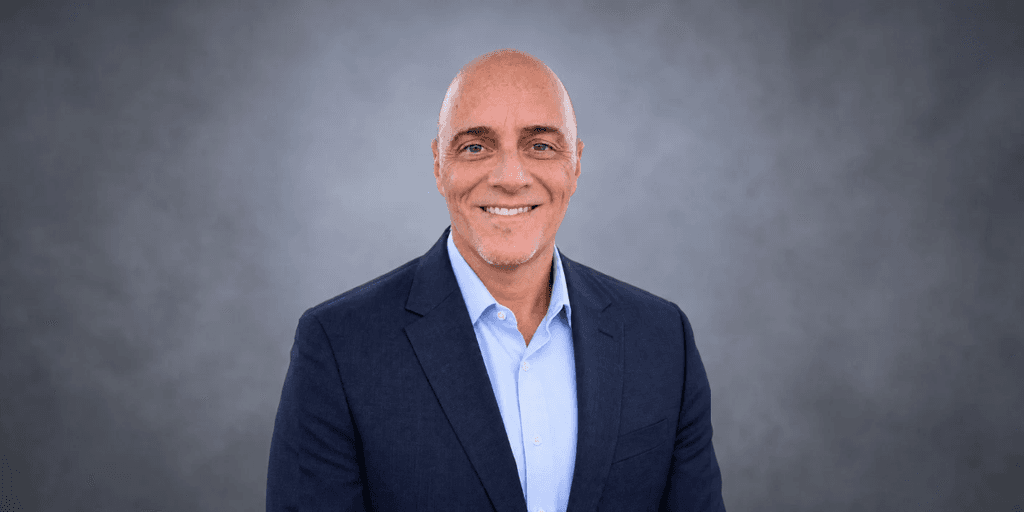
Hussein Makki And The Discipline To Expand


Hussein Makki is building a wider entrepreneurial path from global sales leadership to diversified startup funding.
The pressure did not arrive all at once for Hussein Makki. It built across phone calls, markets, time zones, and decisions that carried real consequences for teams spread across MENA, Africa, Latin America, and South Asia. While many professionals look for calm before they act, Makki learned to move while the world stayed uncertain. In an industry shaped by speed, trust, and constant change, he built his reputation by staying committed when hesitation would have been easier.
Hussein Makki And The Origin Of A Global Sales Mindset
Hussein Makki began young, entering the forex industry before many of his peers had chosen a direction. That early start became one of his greatest advantages. It gave him time to observe the habits of major industry players, learn how large brokerage and liquidity provider networks operate, and understand what separates temporary momentum from lasting commercial strength.
Today, Makki describes himself as leading a sales umbrella in the forex sector, with around 21 sub offices across multiple regions. Under that structure, more than 280 salespeople operate across diverse markets, cultures, and client expectations. The scale is significant, yet the more revealing detail is the discipline behind it. Growth at that level does not happen through energy alone. It requires structure, follow-through, adaptability, and the ability to translate vision into daily execution.
For Makki, the mission has never been limited to a title. His rise to senior global sales roles for brokers and liquidity providers reflects a larger belief: success belongs to people who refuse to treat difficult conditions as permission to stop. Economic pressure, regional instability, and competitive markets can slow the unprepared. They can also sharpen the committed.
That belief now shapes how Hussein Makki speaks about entrepreneurship. He wants his story to motivate people who are trying to build during uncertain times. His message is direct. Focus on the goal. Stay committed. Do not use external conditions as an excuse to abandon the work.
Building Through Uncertainty, Not Around It
Every entrepreneur eventually discovers that ambition is tested most severely when the environment becomes unstable. For Makki, that lesson has been constant. His work has touched regions affected by economic change, political tension, currency pressure, and shifting business confidence. In such markets, leadership becomes more than strategy. It becomes emotional steadiness.
The forex industry is competitive and unforgiving. Clients expect responsiveness. Partners expect consistency. Teams expect clarity. In that setting, Makki built a reputation for staying up to date and meeting client requirements as conditions changed. That is often the difference between organizations that grow and organizations that fade.
Staying current means listening before speaking, watching how client needs evolve, and training teams to adjust without losing direction. It also means resisting the arrogance that can come with early success. Makki’s differentiator is practical rather than theatrical. He focuses on relevance. If a market changes, he studies it. If clients need a different kind of support, he works to understand it. If teams need sharper direction, he provides it.
This approach matters because expansion across MENA, Africa, Latin America, and South Asia is not a copy-and-paste exercise. Each region carries its own pace, language, business culture, and trust signals. A leader who fails to respect those differences risks underperforming, even with a strong product or service. Makki’s growth reflects an ability to coordinate across those differences while keeping teams aligned around results.
Still, his story is not only about sales volume or organizational reach. It is about the mindset required to keep building when headlines are discouraging. Makki’s view is that people succeed when they stop waiting for perfect conditions. The world rarely provides them. Instead, serious builders create systems, protect their focus, and keep moving.
The Turning Point For Hussein Makki
The turning point in Hussein Makki’s journey appears less like a single dramatic moment and more like a steady accumulation of responsibility. He moved from learning the industry to working with what he calls “whales” in forex. He then rose into global sales leadership roles, expanded across regions, and became responsible for hundreds of people.
That kind of growth changes a person. It forces a leader to think beyond individual performance. Personal talent can open the first door, but leadership at scale requires a different skill set. A leader must recruit, delegate, measure, correct, motivate, and protect the culture. He must also accept that success becomes less about being the strongest performer in the room and more about building rooms where others can perform well.
Makki’s current position, leading a broad sales structure that generates substantial monthly business for its liquidity provider relationships, reflects that transition. He is no longer focused only on proving himself. He is focused on building systems that can operate across distance, pressure, and complexity.
Yet the next chapter is already taking shape. At this stage, Makki is looking beyond one sector. He has stated his intention to focus more on entrepreneurs and startup companies that may be funded by him. The reason is strategic. He wants to split his capital among different businesses and, by 2027, invest in different sectors to reduce concentration risk in his overall portfolio.
Sports and hospitality management are among the fields he has identified. This diversification marks an important evolution. It shows a founder-minded operator thinking like a long-term builder. After years in a high-speed financial environment, Makki is looking at sectors where brand, customer experience, operations, and community can create durable value.
This is not a shift away from discipline. It is an extension of it. The same habits that support regional sales growth can also support startup evaluation: understanding the market, identifying capable teams, setting clear expectations, and insisting on execution.
Why Hussein Makki’s Story Resonates Now
Hussein Makki’s story resonates because it speaks to a generation of entrepreneurs facing a difficult question. How do you build when the world feels unstable? His answer is not sentimental. It is practical. You commit. You learn faster. You adapt to the client. You build the team. You stop making excuses.
That message has weight because Makki’s career has required movement across regions where uncertainty is not theoretical. Economic challenges and regional conflicts can influence confidence, capital, travel, hiring, and planning. In that context, optimism must be earned through action. Makki’s path suggests that resilience is not a slogan. It is a routine.
His interest in funding startups also adds a human dimension to his brand. Many entrepreneurs with capital simply preserve it. Makki is looking for ways to place capital behind new ventures in multiple fields. Startups do not need capital alone. They need believers who understand pressure, growth, and the difference between noise and real traction.
There is also a personal lesson in his age and pace. Being in his early 30s while managing more than 280 salespeople across regions challenges the old assumption that influence must wait for middle age. Makki’s career shows that responsibility can arrive early when preparation meets opportunity. However, early success demands maturity. Scale exposes weakness quickly. A leader must keep learning or the structure will outgrow him.
That is where Makki’s emphasis on staying up to date becomes central. He is not presenting himself as finished. He is positioning himself as a builder in motion, someone who has achieved significant commercial reach while still preparing for a broader entrepreneurial future.
For readers watching their own plans collide with difficult markets, the lesson is clear. Success does not require ignoring reality. It requires refusing to be controlled by it. The founder, salesperson, or operator who stays focused while others retreat can create an advantage that only appears after months or years of consistency.
Hussein Makki’s next chapter will likely be judged not only by the companies he funds, but by the standards he brings to them. If his career so far is an indication, those standards will center on adaptability, commitment, client awareness, and disciplined growth. In crowded markets, those qualities still separate serious builders from casual dreamers.
Explore More About Hussein Makki
Connect with Hussein Makki and Instagram.

CEO Times Contributor
Covers leadership, business strategy, entrepreneurship, and the people building innovative companies.
This article features partner, contributor, or branded content from a third party. Members of the CEO Times editorial staff were not involved in the creation of this content. All views and opinions are those of the contributor alone.