
Heidi Hunt and the Rise of the Fourth Branch

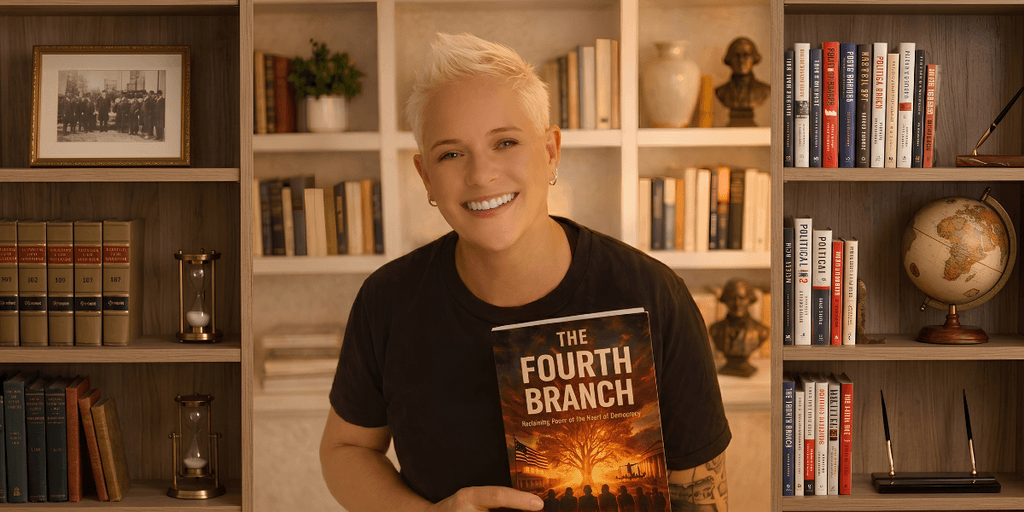
Author Heidi Hunt reveals how small, organized groups win real local change.
Most people believe power lives somewhere far away. They picture distant capitals, closed doors, and decisions made without them. Heidi Hunt wants to shatter that belief. In her new book, The Fourth Branch: The Grassroots Power Playbook, she argues that real power sits much closer to home, waiting for ordinary people willing to organize and act.
The message is simple but bold. Small, organized groups consistently beat large, unfocused outrage. When you apply pressure at the closest decision point, local change is not only possible. It is winnable.
The Idea Behind the Fourth Branch
Government is often described as three branches: legislative, executive, and judicial. Heidi Hunt introduces a fourth. She calls it the organized will of the community. This Fourth Branch is not written into any constitution, yet Hunt believes it shapes outcomes every day in cities and towns across the country.
Her core argument is practical, not theoretical. Most people feel frustrated by issues they cannot seem to influence. They sign petitions, post online, and hope someone listens. Hunt offers a different path. She shows readers how to move from noise to strategy, from outrage to organized pressure that actually flips decisions.
The book is a tactical manual, not a political speech. It does not ask readers to wait for permission. It teaches them to understand how local power works and how to use it.
A Playbook for Regular People
What sets The Fourth Branch apart is its focus on tactics. Hunt breaks the process into clear, repeatable steps that any motivated person can follow. She starts by helping readers understand local power itself. Who decides? Who controls resources? Who shapes the narratives that influence outcomes? These questions form the foundation of everything that follows.
From there, Hunt guides readers to identify leverage points. These are the specific moments and places where small organized pressure can tip the balance. She teaches readers to choose a single issue that is local, specific, and winnable, with a clear timeline attached. This discipline matters. Vague campaigns fade. Focused campaigns win.
The heart of her method is the Power Cell. This is a tight group of five to fifteen committed people, each with a defined role. Hunt explains how to build one, how to run meetings that produce immediate wins, and how to avoid the drift that kills so many well-meaning efforts. Her meetings are not endless discussions. They are action-focused sessions designed to generate results.
From First Win to Lasting Force
Winning once is good. Winning repeatedly is transformational. Hunt devotes much of the book to execution and endurance. She walks readers through full campaigns built on messaging, data, public presence, institutional engagement, and strategic escalation. Each element has a purpose. Together, they form a system that pressures decision makers in a focused and credible way.
But Hunt does not stop at victory. She knows that wins can be reversed if they are not protected. So she teaches readers how to secure their gains, defend them over time, and scale a single success into a long-term civic force. The goal is not a one-time protest. The goal is durable community power.
This long view reflects the deeper purpose behind Surviving Changes. Hunt is not interested in temporary wins that fade with the news cycle. She wants readers to build something that lasts, something that continues to shape their communities long after the first campaign ends.
Why This Book Matters Now
Many people feel powerless in the face of large institutions. They assume change requires money, connections, or a famous name. Hunt rejects that assumption. Her entire book is built on the belief that local power is accessible, tactical, and within reach for anyone willing to learn the method.
That belief gives the book its energy. Readers do not finish it feeling inspired yet unsure what to do next. They finish it with a plan. They know how to choose an issue, build a team, run a meeting, and execute a campaign. The book turns frustration into direction and direction into results.
Hunt writes for the parent worried about a local school decision, the neighbor frustrated by a zoning change, and the citizen who wants a voice but does not know where to start. She meets them where they are and hands them a roadmap. That practicality is what makes The Fourth Branch stand apart from the many books that describe problems without offering solutions.
The Heart of Heidi Hunt's Mission
There is a human conviction running through every page. Hunt believes that democracy does not belong only to officials and experts. It belongs to the people who show up, organize, and refuse to be ignored. Her Fourth Branch is her answer to a common feeling of helplessness, and she offers it as a gift rather than a lecture.
That spirit of generosity extends to how she shares the work. The new book is offered with a free PDF, making the method available to anyone who wants it, regardless of budget. Hunt is less interested in gatekeeping and more interested in results. She wants readers to take the tools and use them.
In a time when many feel that their voices disappear into the noise, Hunt offers a steadier message. Organization beats emotion. Focus beats frustration. A small group with a clear plan can accomplish what a large crowd of angry voices cannot. That is the promise at the center of her work, and it is a promise grounded in method, not wishful thinking.
Start Building Your Power Cell Today
If you have ever felt that your community deserves better, The Fourth Branch: The Grassroots Power Playbook gives you the exact steps to do something about it. You do not need a title, a budget, or a political background. You need a winnable issue, a small committed team, and a plan. Heidi Hunt provides the rest.
Visit SurvivingChanges.com to learn more about the book and to claim the free PDF. Read it, choose your issue, and build your first Power Cell. Then watch what happens when a handful of organized people decide to act. The Fourth Branch is not waiting for someone else. It is waiting for you.
Explore More About Surviving Changes
Connect with Surviving Changes.

CEO Times Contributor
Covers leadership, business strategy, entrepreneurship, and the people building innovative companies.
This article features partner, contributor, or branded content from a third party. Members of the CEO Times editorial staff were not involved in the creation of this content. All views and opinions are those of the contributor alone.