
Eli Lilly Unveils Record-Breaking $27 Billion U.S. Manufacturing Drive

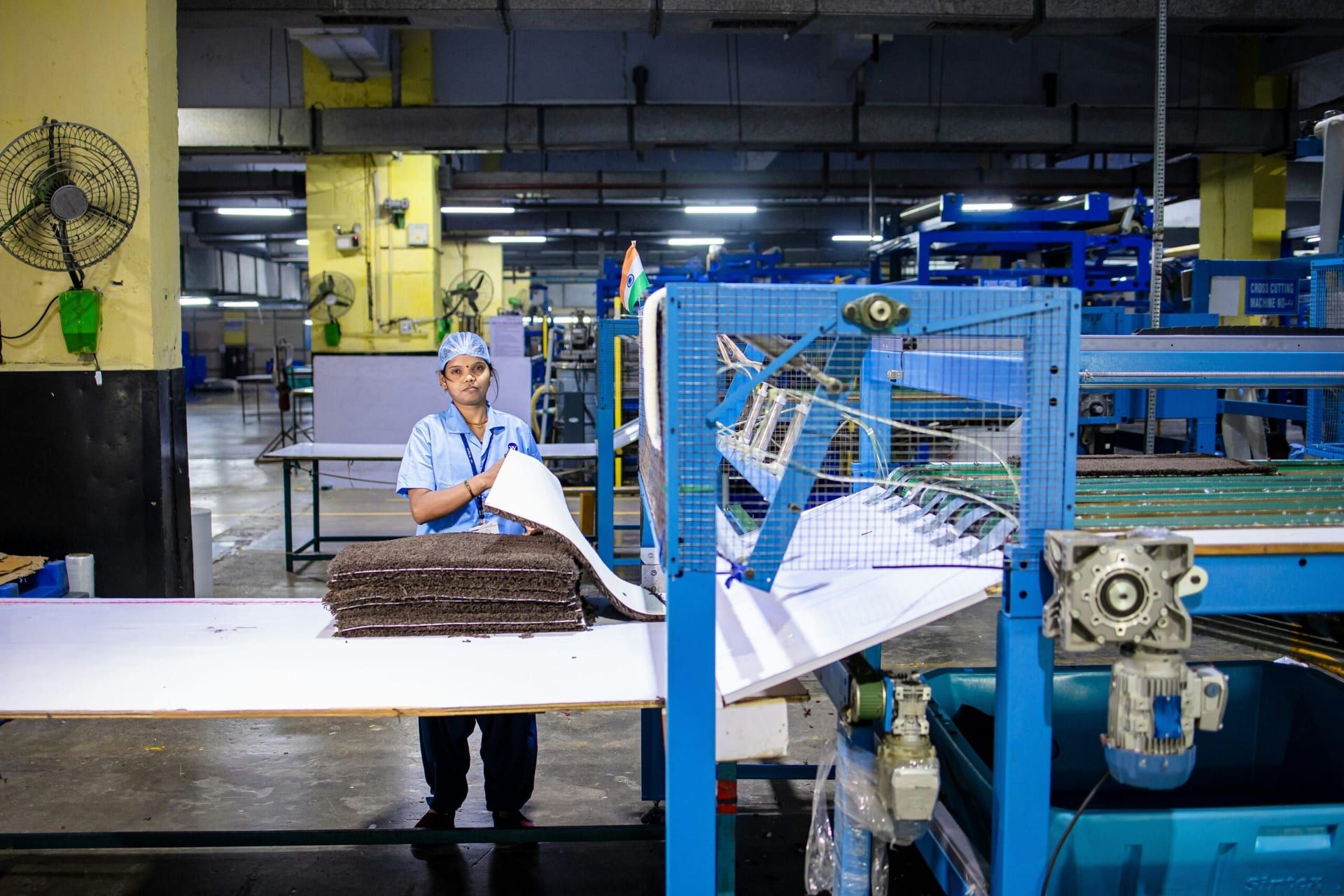
In a development with profound implications for U.S. healthcare, pharmaceutical firm Eli Lilly & Co. announced plans to invest $27 billion in the construction of four new domestic manufacturing sites. CEO David Ricks described it as the “largest pharmaceutical manufacturing investment in U.S. history,” signaling a decisive effort to bolster drug production, strengthen supply chains, and create a wave of new jobs .
Announced during a press conference in Washington, the investment marks the latest chapter in Lilly’s expansive growth. Since 2020, the company has invested over $50 billion in U.S. manufacturing infrastructure. The newly introduced four facilities will significantly augment this investment, more than doubling its previous commitments.
Three of the new sites are set to exclusively produce active pharmaceutical ingredients (APIs), essential chemical components of medications. By reshoring this critical capability—long concentrated overseas—Lilly aims to reduce U.S. dependency on foreign suppliers and address national security concerns related to drug manufacturing.
The fourth facility will expand Lilly’s U.S. manufacturing of injectable therapies, aligning with its rapidly growing portfolio, including blockbuster injections like Mounjaro and Zepbound. Ricks emphasized that this investment is “to stay ahead of anticipated demand for safe, high‑quality FDA‑approved medicines of the future,” highlighting therapeutic areas spanning cardiometabolic health, oncology, immunology, and neuroscience.
The investment is expected to create around 13,000 U.S. jobs—10,000 of which will be construction roles during the build-out phase and over 3,000 permanent positions for engineers, scientists, laboratory technicians, and operations personnel. Beyond direct hiring, communities surrounding these sites may benefit from ancillary economic activity, including support for local businesses, infrastructure development, and increased tax revenues.
Lilly has invited U.S. states to bid for site locations, with a formal proposal window open through mid-March and announcements expected by year-end. One of the leading contenders is Houston, Texas, where Lilly is reportedly evaluating a $5.7 billion investment under the state’s tax-incentivized JETI program—potentially generating over 2,600 jobs between construction and operations.
This ambitious initiative aligns with broader political and economic narratives aiming to repatriate critical manufacturing functions to American soil. It was announced in the backdrop of growing pressure from the Trump administration, which is exploring tariffs on pharmaceutical imports and offering tax relief—factors Lilly CEO Ricks cited as major influencing elements.
Commerce Secretary Howard Lutnick and National Economic Council Director Kevin Hassett were present during the announcement, underscoring the administration’s support. Lutnick applauded Lilly’s decision as embodying the push for onshore manufacturing, while Hassett cited drug ingredient sourcing as a national security imperative.
Industry analysts noted that the announcement comes at a critical juncture as pharmaceutical firms worldwide are reassessing supply chains. Increased investment, such as Lilly’s, may help avert future shortages and reduce dependence on import pipelines vulnerable to geopolitical or pandemic-induced disruptions .
Financial markets responded favorably: Lilly’s stock ticked up more than 1% following the announcement—a modest boost reflecting investor confidence in the long-term potential of expanded U.S. manufacturing .
Despite the upfront cost burden, Lilly maintains that this is a strategic, forward-looking move. Past annual investments—including $5.3 billion and $4.5 billion in various Indiana and Wisconsin facilities—have laid the foundation for these mega‑site plans. The current investment builds on momentum from earlier expansions, including a $3 billion Wisconsin injectables facility and a $1.7 billion North Carolina plant slated for 2027.
Experts argue that Lilly’s investment signals a paradigm shift in pharma manufacturing strategy—moving from dispersed international supply lines to domestically secure and scalable production chains. With the demand for GLP‑1–based diabetes and obesity drugs projected to hit $150 billion annually by the early 2030s, maintaining supply continuity is a high-stakes proposition.
Moreover, this expansion represents more than just operational scaling; it underscores a larger reshoring trend, seen in initiatives by Apple, Intel, and other major corporations investing heavily in U.S. industrial capacity .
If successful, Eli Lilly’s infusion of capital and capacity could redefine U.S. pharmaceutical autonomy. The effort aims not only to meet surging demand but also to fortify supply chains against disruption and stimulate domestic economic growth—establishing a potential blueprint for how scientific innovation and manufacturing agility can coexist and thrive in America.
As Lilly sharpens its focus on selecting locations and commencing construction later this year, healthcare stakeholders, policymakers, and regional leaders will be watching closely. In reshaping the industry’s domestic footprint, the stakes are high—but so are the potential dividends for jobs, innovation, and public health resilience.
This landmark move may well set a precedent in a post-pandemic, geopolitically complex world: where governments, companies, and communities converge in pursuit of secure, sovereign, and scalable medical production infrastructure.

CEO Times Contributor
Covers business, innovation, and leadership, with a particular interest in entrepreneurs and emerging brands.
This article features partner, contributor, or branded content from a third party. Members of the CEO Times editorial staff were not involved in the creation of this content. All views and opinions are those of the contributor alone.