
Corporate Travel Surges, Fueling Hotel and Airline Sector Recovery

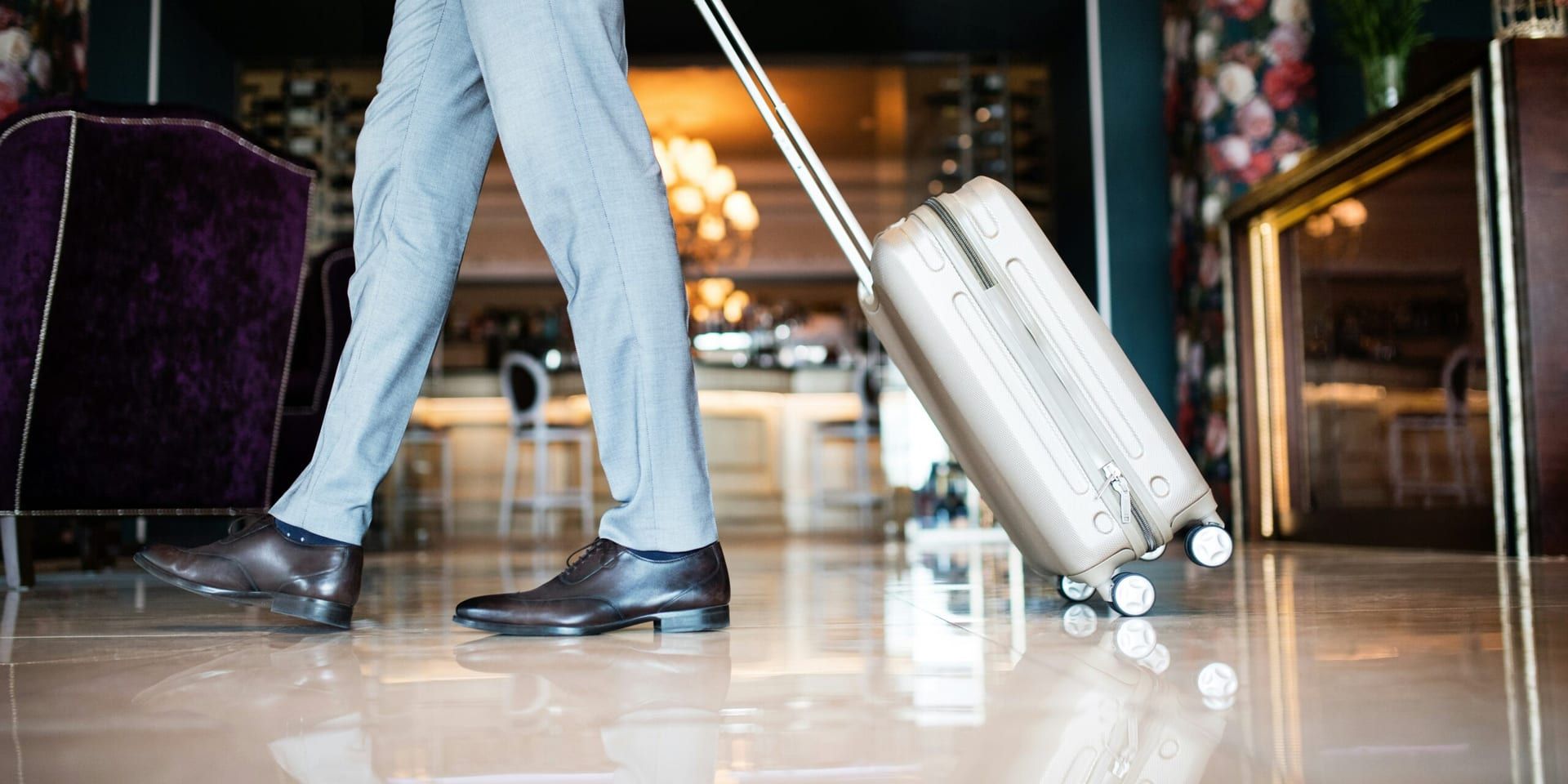
Corporate travel in the U.S. is roaring back, with February bookings rising 11% year-over-year. The uptick comes as tech, finance, and energy firms ramp up in-person engagement—signaling improved demand across hospitality and aviation.
In the airline sector, United Airlines recently upgraded its 2025 earnings guidance from $7–9 to $9–11 per share. CEO Scott Kirby attributed the revision to a strong surge in business bookings beginning early July, driven by reduced geopolitical and economic uncertainty. Meanwhile, national carriers like Delta introduced similar upward revisions, signaling a broader industry trend.
Hotels are also seeing a rebound. Hilton Worldwide beat Q4 profit forecasts thanks to rising business-transient and group bookings, particularly from large tech and banking clients. Business transient revenue per available room (RevPAR) rose more than 3%, with group events playing a pivotal role. Marriott reported that occupancy from Monday to Thursday still trails pre-pandemic levels, but overall weekday business travel has recovered strongly. The financial services sector is now close to or above pre-COVID-19 business travel norms.
Hotel executives at recent industry conferences noted that corporate travel bookings are increasingly domestic-focused, with small and mid-sized enterprise (SME) clients leading the resurgence. U.S. and European companies are prioritizing in-country trips and group events, with many locking in dates years in advance. Hyatt saw a 12% year-to-date increase in corporate accounts, and group business prices rose 5–8%.
Analysts see a structural shift in travel patterns: while business travel volume remains slightly below pre-pandemic levels—estimated to eventually hit 70–80% of 2019 rates—spending per trip is higher. Corporations are willing to spend more for flexible accommodations and hybrid meeting solutions, even as sustainability and budgeting remain considerations.
Although the current momentum suggests a sustained recovery through Q2, risks remain. Recent tariff spikes and fiscal pressures have dampened consumer sentiment, leading to cautious capacity adjustments by airlines. Economic uncertainty and higher fuel costs could cap future gains.
Still, the convergence of rising corporate demand, improved airline forecasts, and stronger hotel performance paints an encouraging picture. As the world moves beyond pandemic-era hesitation, travel-dependent sectors are emerging from the shadows. Continued resilience in bookings—even amid macroeconomic and geopolitical volatility—suggests a cautiously optimistic outlook for hotels and airlines through mid-2025.

CEO Times Contributor
Covers global markets, corporate finance, and the executive careers built on them.
This article features partner, contributor, or branded content from a third party. Members of the CEO Times editorial staff were not involved in the creation of this content. All views and opinions are those of the contributor alone.