
David Wortley Saw The AI Question Early

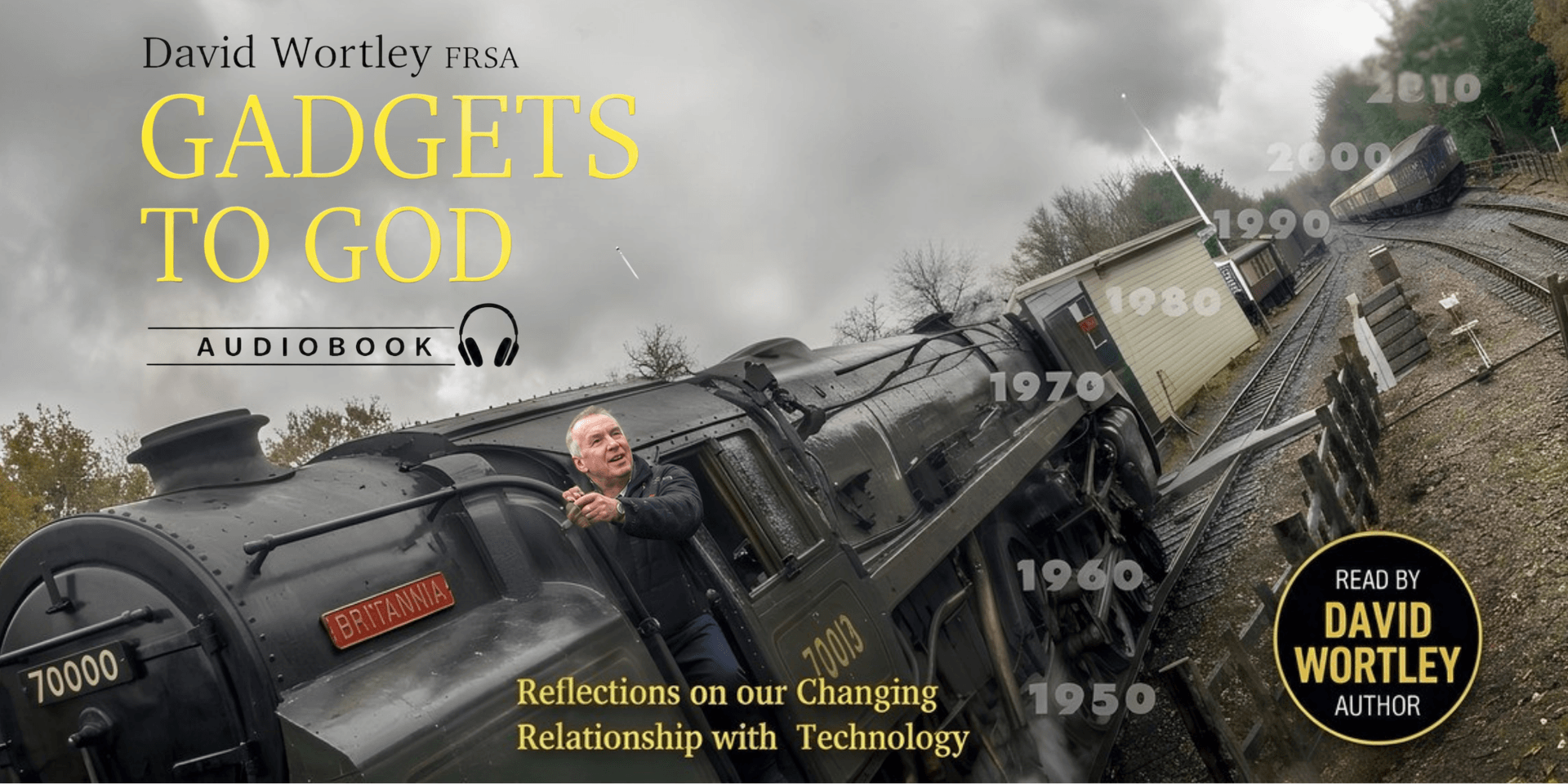
A technology pioneer revisits a book that warned how machines could reshape human agency.
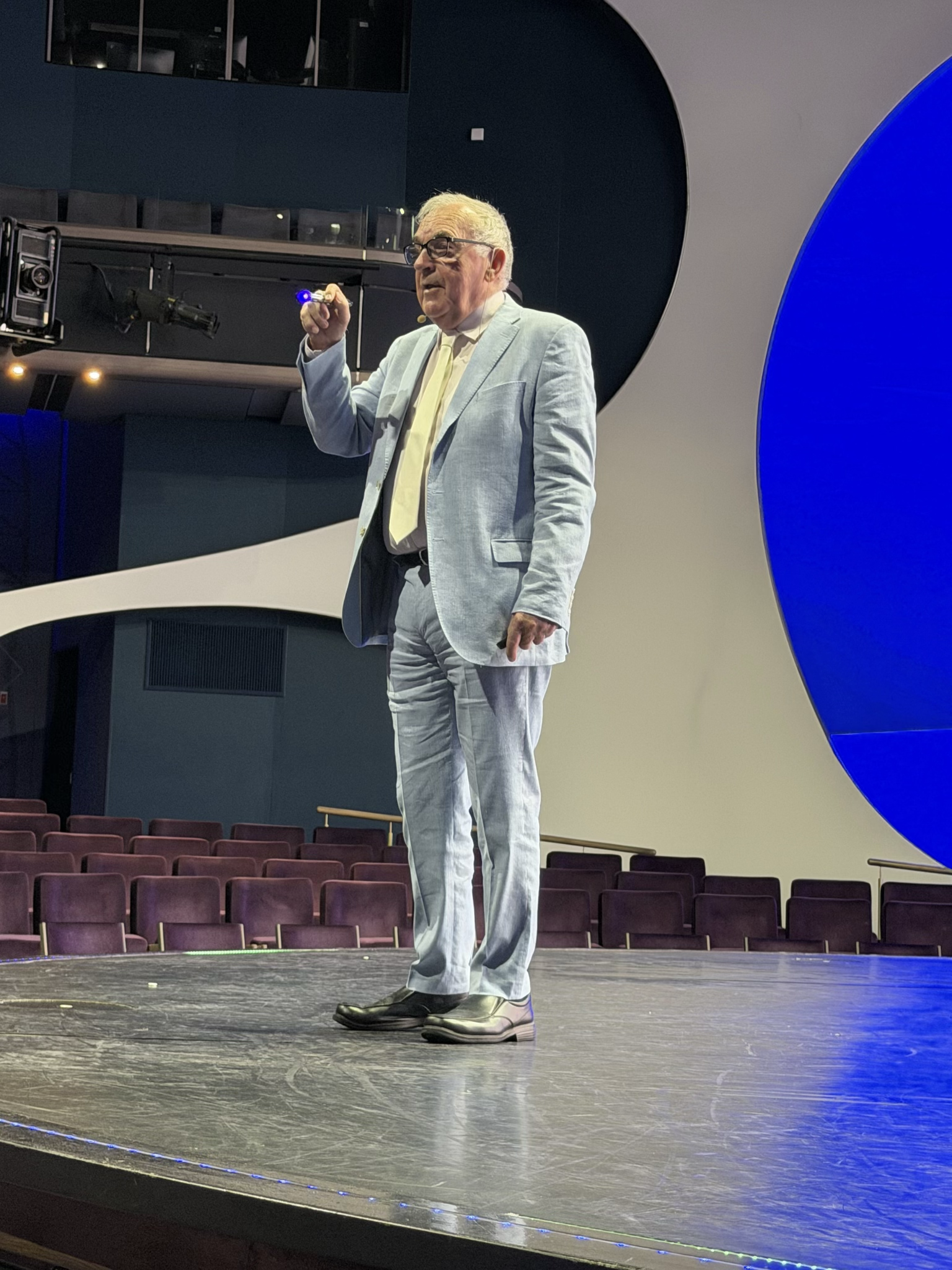
The room at Keble College, University of Oxford, will hold more than an audience on 17 September 2026. It will hold a question David John Wortley has been asking for decades: if machines become powerful enough to shape human behavior, who remains in control? As Distinguished Keynote Speaker at the 18th Woman Leaders Forum and World Leaders Summit, Wortley will deliver an address titled The Fifth Industrial Revolution: Partnering With Machines To Amplify Human Potential. For many, the theme sounds newly urgent. For Wortley, it is the latest chapter in a story he began telling long before artificial intelligence became a daily headline. That story sits at the heart of David Wortley Gadgets to God, a book whose warnings and insights now feel strikingly close to the present moment.
David Wortley Gadgets To God And An Early Warning
Wortley has spent more than 40 years working at the edge of technological change. He is a keynote speaker, author, Fellow of the Royal Society of Arts, and founder of 360in360 Immersive Experiences. He was also the Founding Director of the Serious Games Institute, where he helped explore how immersive technology, simulation, and game-based thinking could influence learning, enterprise, and human performance. Across that career, one conviction has remained steady: technology deserves praise only when it improves life, protects human agency, and helps people become more capable.
That belief shaped Gadgets to God, written in 2011 and published in 2012. The book traced a sweeping shift in human history. Within a single lifetime, society moved from an era in which people mastered machines through skill, patience, and expertise to an age in which machines increasingly guide, predict, and influence human decisions. Wortley saw that transition not as a simple march of progress, but as a profound challenge to identity, autonomy, and responsibility.
The title itself captures the tension. Gadgets are tools. They extend our hands, sharpen our senses, and make difficult tasks easier. Gods, by contrast, command attention, devotion, and trust. Wortley was not arguing that technology had become divine. He was warning that people might start treating it that way. If human beings surrender judgment to systems they do not understand, the future will not be written by artificial intelligence alone. It will be shaped by how people choose to exploit, govern, and depend on it.
Today, as AI systems move into classrooms, hospitals, workplaces, media, and personal lives, that warning has gained force. Many readers encounter David Wortley Gadgets to God not as a relic of early digital optimism, but as a field note from someone who saw the curve before it steepened. Now available as an audiobook, the work offers both lived experience and long-range perspective. It asks readers not only what technology can do, but what kind of humans they want to become while using it.
From Serious Games To Human Potential
Wortley’s authority does not come from distance. It comes from participation. He has built, tested, spoken, advised, and taught through technological revolutions. His career has followed the same principle he now brings to audiences around the world: understand the tool, then ask what human purpose it serves.
At the Serious Games Institute, he worked within a field that many people once misunderstood. Serious games were not entertainment dressed in professional language. They were new ways to help people learn, practice, collaborate, and solve problems. That work demanded both technical curiosity and human empathy. It required him to see connections among psychology, design, education, business, and behavior.
Wortley describes his brand in four words: “the same but different.” The phrase is simple, but it carries a deeper philosophy. He helps people look at familiar problems through unfamiliar lenses. He invites executives, educators, policymakers, health leaders, and entrepreneurs to notice patterns they might otherwise miss. His differentiation rests in creativity, storytelling, lived experience, and a rare ability to link technology with the emotional realities of human life.
That combination matters because most conversations about artificial intelligence drift toward extremes. Some voices promise frictionless abundance. Others predict collapse. Wortley occupies a more useful space. He does not reject machines, nor does he worship them. Instead, he argues for partnership with purpose. The question is not whether AI will influence humanity. It already does. The better question is whether people will use it to amplify wisdom, health, creativity, and connection, or allow it to narrow attention and weaken agency.
His Oxford address reflects that balanced urgency. The Fifth Industrial Revolution: Partnering With Machines To Amplify Human Potential represents the central arc of his work. The first industrial revolutions mechanized labor, connected markets, digitized information, and automated processes. The next stage, in Wortley’s view, must focus on what makes people more fully human. Machines can calculate, simulate, and optimize. Human beings still bring meaning, conscience, imagination, and care.
Lifestyle Medicine And The Personal Experiment

The same thinking led Wortley into lifestyle medicine. Thirteen years ago, a combination of circumstances prompted him to gamify his own health. He began using wearable technologies and mobile applications not as novelties, but as feedback systems. He wanted to understand what it actually takes to live well for longer. At 77, he says he takes no medication, walks five miles every day, and continues to speak at international conferences.
That personal journey did not turn him into a clinician, nor does he present technology as a cure. Instead, it deepened his interest in prevention, motivation, and daily behavior. He became involved with the British Society of Lifestyle Medicine and later served as a non-executive director of World Lifestyle Medicine Education Services. His belief is clear: health systems have long centered on treating illness, while many people need stronger support for the habits and environments that help them sustain well-being.
Here again, the link to David Wortley Gadgets to God becomes clear. Technology can distract, isolate, and manipulate. Yet it can also remind, measure, encourage, and connect. A wearable device cannot walk the miles for a person. An app cannot supply meaning. But used thoughtfully, these tools can help people see themselves more clearly and make better choices. The difference lies in whether technology serves human intention or replaces it.
Wortley’s appeal as a speaker comes from this fusion of public insight and private practice. He is speaking from decades of experimentation, mistakes, observation, and renewal. His audiences hear stories about innovation, but they also hear a challenge: do not confuse progress with improvement. A society can become more connected and less humane at the same time. A workplace can become more automated and less thoughtful. A person can become more measured and less alive.
That is why Gadgets to God feels newly relevant in 2026. It gives leaders, teams, and curious readers a framework for asking better questions before they adopt the next tool. What decision is being transferred? What skill may be lost? What relationship may be strengthened? What human capacity could be amplified? These are boardroom questions, classroom questions, health questions, and family questions.
For readers seeking a clearer way to understand the age of AI, Gadgets to God offers more than prediction. It offers perspective. For event organizers seeking a speaker who can connect technology, humanity, lifestyle, and leadership with authority and warmth, David Wortley brings a rare voice to the stage. Explore the book, listen to the audiobook, or invite him to speak for a conversation that helps people see machines differently and, more importantly, see themselves with greater clarity. Connect with David through his website, on LinkedIn, explore Gadgets to God, and follow him on Instagram and Facebook.

CEO Times Contributor
Covers leadership, business strategy, entrepreneurship, and the people building innovative companies.
This article features partner, contributor, or branded content from a third party. Members of the CEO Times editorial staff were not involved in the creation of this content. All views and opinions are those of the contributor alone.