
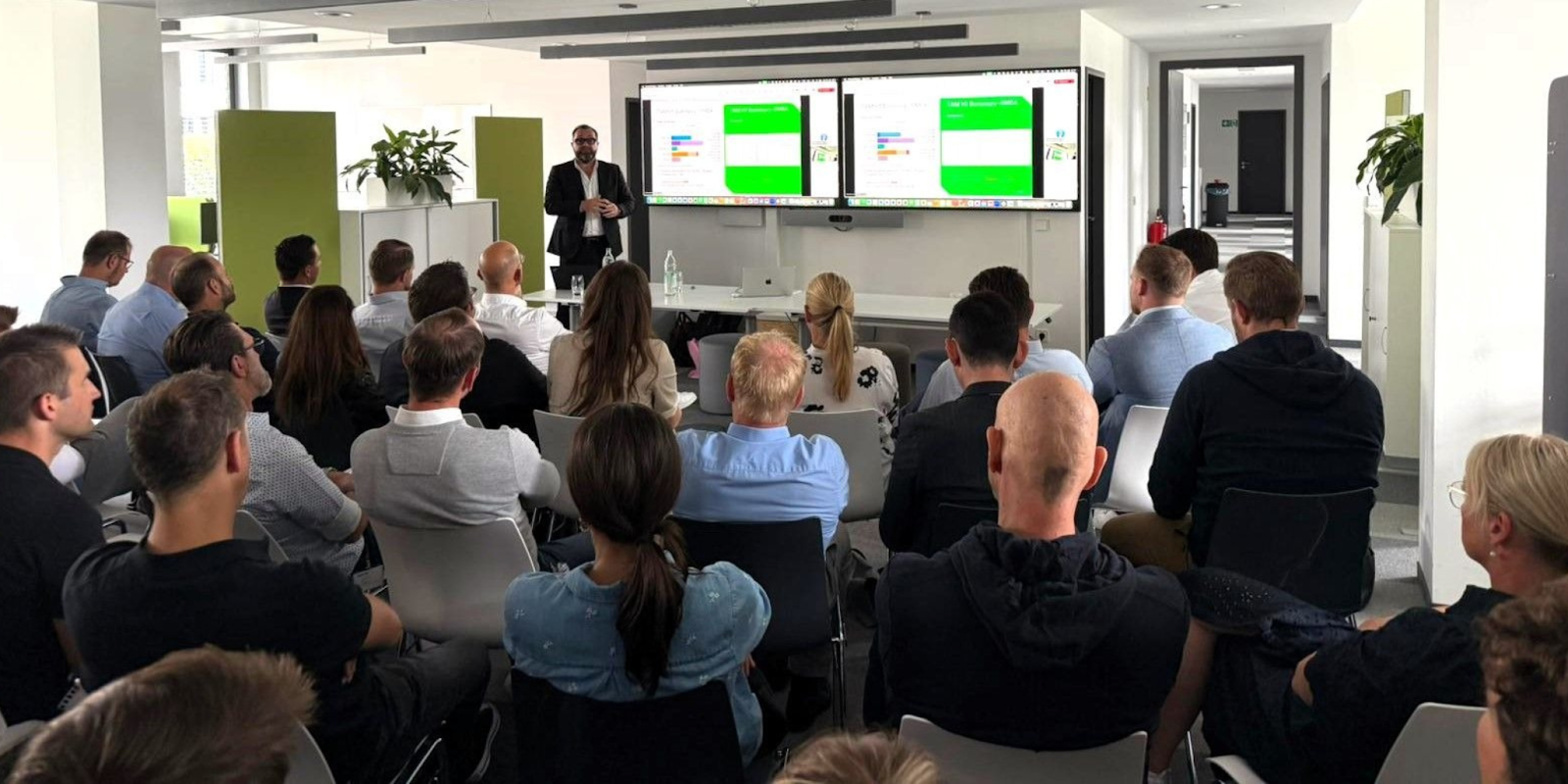
Riccardo Sbarboro’s new book, The Art of Building Meaningful Work, offers a practical guide for CEOs and leaders focused on sustainable business growth. His “builder mindset” emphasizes scalable systems, customer success, and leveraging AI to drive consistent, long-term outcomes.
With the release of his new book, The Art of Building Meaningful Work, Riccardo Sbarboro invites executives to rethink what it means to lead for sustainable business outcomes. While his story has inspired many in the leadership community, Sbarboro’s approach offers a practical playbook for CEOs and senior leaders navigating today’s complex business environment.
From earlier Lessons to Boardroom Impact
Sbarboro’s leadership journey began on the wrestling mat and in the cockpit, where discipline, systems thinking, and clarity under pressure were not just ideals—they were mandatory skills. These early lessons laid the foundation for his leadership approach, one that prioritizes long-term success over short-term gains.
Over two decades, Sbarboro has held senior roles at leading technology firms, earning a reputation for turning strategic vision into operational reality. His “builder mindset” is more than a philosophy—it’s a method for scaling success across markets, teams, and cultures.
His combination of tactical clarity and innovative thinking, paired with his commitment to customer success, has driven sustainable business growth
The Builder Mindset: Systems That Scale
What distinguishes Sbarboro is his relentless focus on frameworks that outlast trends. Rather than chasing short-term wins, he designs operating models that deliver repeatable, scalable outcomes and, sometimes, they anticipate times.
His track record includes:
- Formalizing advisory practices that align services with client business goals
- Implementing AI-driven delivery models to standardize quality and accelerate value
- Developing talent pipelines that empower teams and future leaders
This systems-based approach has improved operational efficiency, reduced delivery variance, and enabled rapid growth—even in volatile markets.
Customer Success as a Strategic Metric
For Sbarboro, customer success is not a department—it’s the ultimate measure of business value. Every initiative is judged by its impact on customer outcomes, renewal rates, and long-term growth.
“Every engagement should answer one question: what outcome did we enable for the customer? Success is visible when it’s measurable—and measurable when it’s designed into the journey,” he writes in The Art of Building Meaningful Work.
This perspective challenges traditional metrics, urging executives to focus on outcomes that drive sustainable advantage.
Leading with Empathy and Accountability
Sbarboro’s leadership style balances operational rigor with a human-centered approach. He believes that trust and empowerment are the engines of innovation and resilience. By mentoring early-career professionals and fostering a culture of accountability, he ensures that leadership is distributed—not concentrated—across the organization.
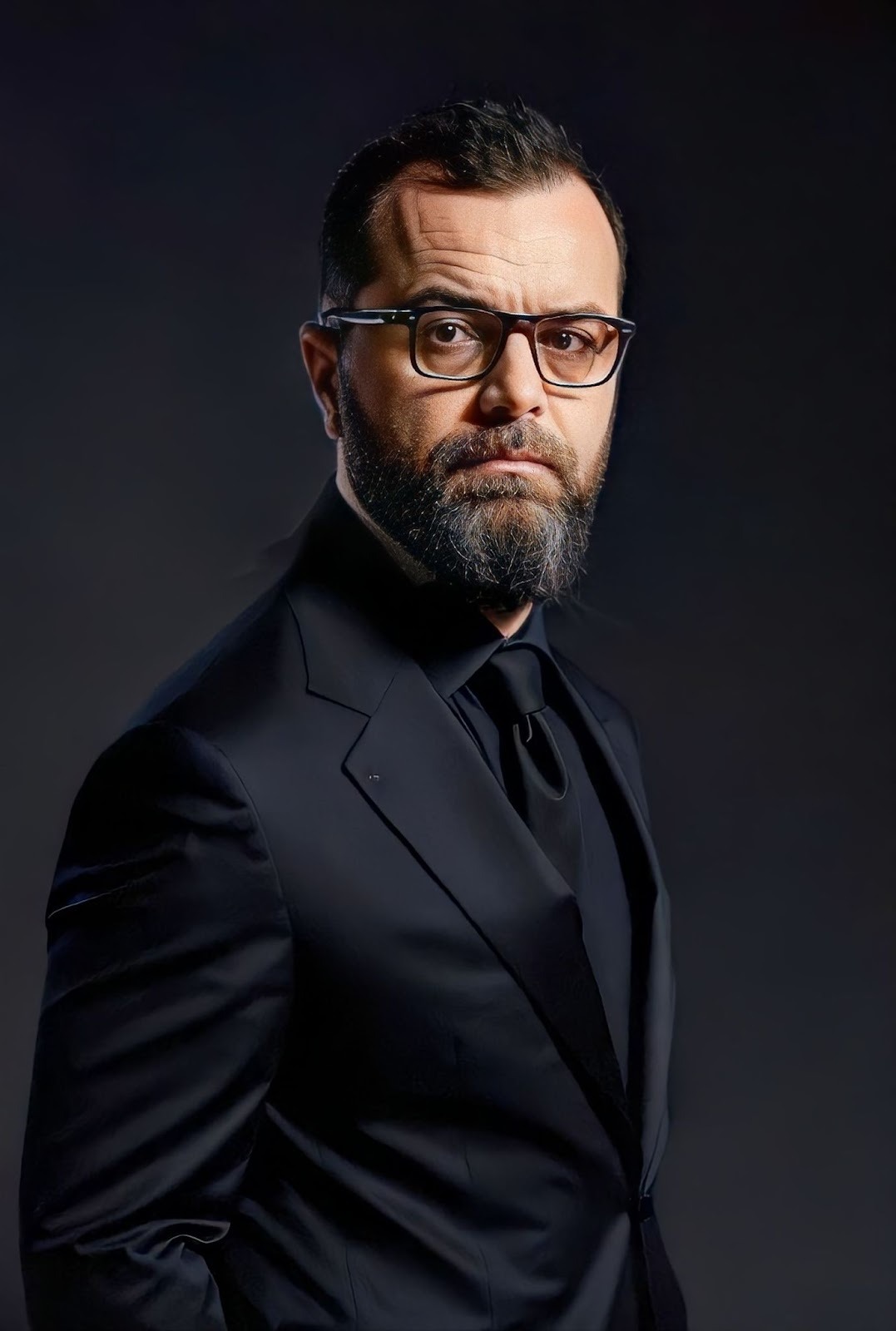
AI as a Catalyst for Consistency
Looking ahead, Sbarboro sees artificial intelligence as a strategic lever for standardizing service delivery and enhancing the customer journey. By integrating AI-driven models, he enables teams to deliver consistent, high-quality results at scale, while freeing up human talent for creative and strategic work.
“AI will never replace judgment—but it will expose the cost of poor judgment faster than ever before,” he notes. For CEOs, this means leveraging technology not just for efficiency, but for smarter, more proactive engagement.
Building a Legacy of Lasting Value
Sbarboro’s impact is measured not only in business outcomes, but in the leaders he has mentored and the frameworks he leaves behind. His commitment to scalable systems, customer-first strategies, and continuous learning ensures that the value created today will endure for years to come.
Why This Book, Why Now?
The Art of Building Meaningful Work arrives at a pivotal moment for executive leadership. As organizations grapple with uncertainty and rapid change, Sbarboro’s insights offer a roadmap for re-elaborate vision, empowering teams, and building cultures that thrive.
His message to CEOs is clear: “Strategy without an operating model is presentation. An operating model without culture is machinery. The future belongs to leaders who can design systems, develop people, and deliver outcomes consistently.”
The Art of Building Meaningful Work is available now. To connect with Riccardo Sbarboro or learn more about his leadership frameworks, visit his LinkedIn profile.