
Amir Soleymani, Mondoir founder, challenges art trends with a focus on cultural impact and empowering artists.
The art world has always been a dynamic blend of tradition and innovation. In recent years, however, it has increasingly been driven by trends, speculation, and marketability. Amid this environment, the deeper cultural significance of art can sometimes be overshadowed by the rush to capitalize on the next big thing. Amir Soleymani, founder of Mondoir, seeks to shift this dynamic by advocating for a focus on long-term value, cultural impact, and artist empowerment.
As a self-taught artist, collector, and technologist, Soleymani has extensive experience working within various layers of the art ecosystem, gaining insight into its complexities. With Mondoir, he has built a platform aimed at bridging the gap between traditional and digital art while emphasizing meaningful cultural contexts and artist-focused empowerment. This vision is not about chasing trends but about creating a lasting space where art can endure and influence society over time.
Art as a Cultural Force, Not Just Decoration
For Soleymani, art is much more than a decorative object; it serves as a powerful tool for cultural expression. It has the potential to challenge perceptions, provoke thought, and open dialogue. Treating art as just an aesthetic object limits its potential to drive deeper conversations about culture, identity, and societal issues.
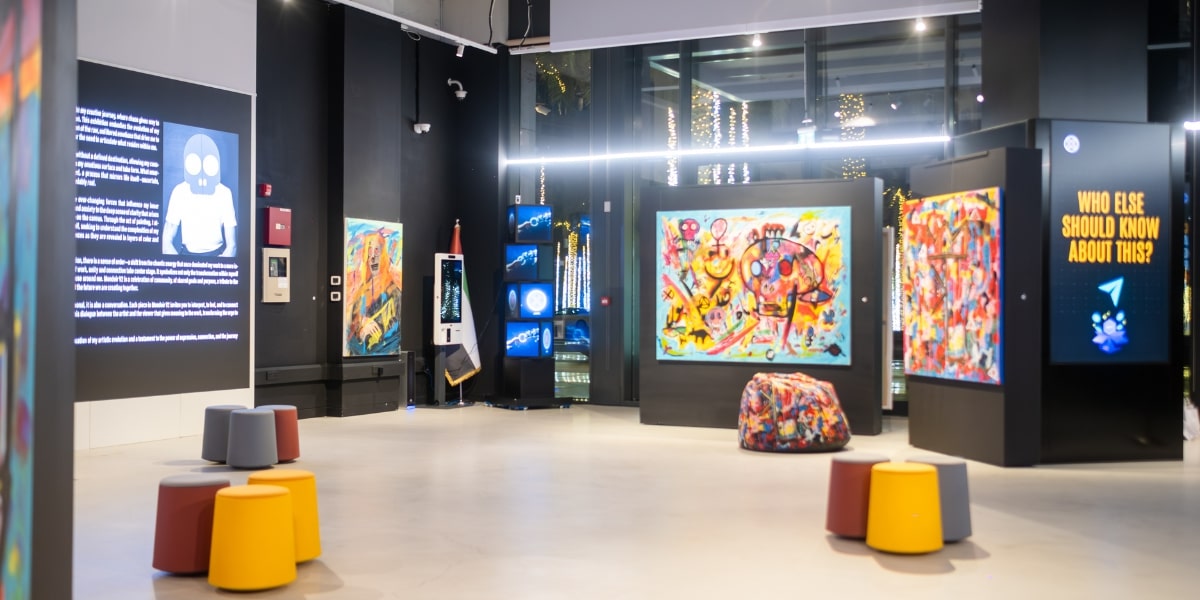
This philosophy shapes Mondoir’s approach. The platform curates exhibitions and initiatives that place artworks within larger cultural and conceptual contexts, encouraging viewers to engage with art more deeply. Art is not just for display; it is meant to be engaged with and to provoke reflection on the world around us.
A Vision Beyond the Hype Cycle
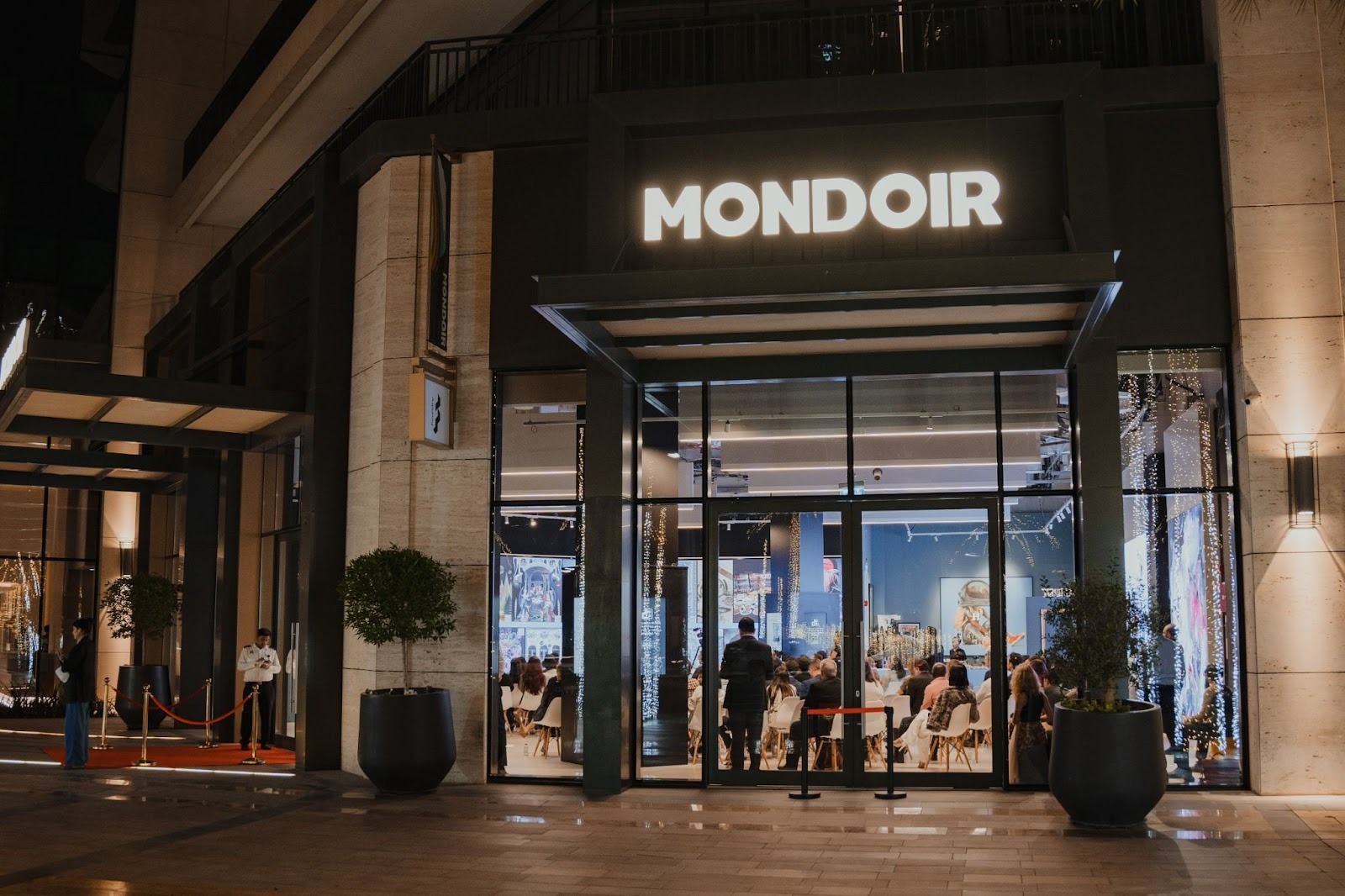
Mondoir stands in contrast to the fast-paced, trend-driven art market. Soleymani critiques a culture where visibility often eclipses substance, and where speculative market trends push artists to conform to fleeting styles. He suggests, “The art world suffers not from a lack of talent, but from a lack of context.”
In a market dominated by short-term cycles, Mondoir prioritizes cultural depth over spectacle. Its initiatives, collaborations, and exhibitions are designed to foster long-lasting cultural engagement rather than capitalizing on fleeting moments. These partnerships aim to create genuine, substantive cultural experiences, instead of just chasing high-visibility trends.
By choosing depth over flash, Mondoir seeks to slow down the industry’s trend-chasing cycle. It is about creating an environment where art is appreciated for its lasting relevance and the impact it has over time.
Supporting Artists, Not Just Market Demand
Mondoir operates not as a traditional gallery but as a dynamic platform that supports artists beyond the pressures of the commercial art market. Soleymani’s mission is clear: “I’m building platforms to support artists, not just for profit.”
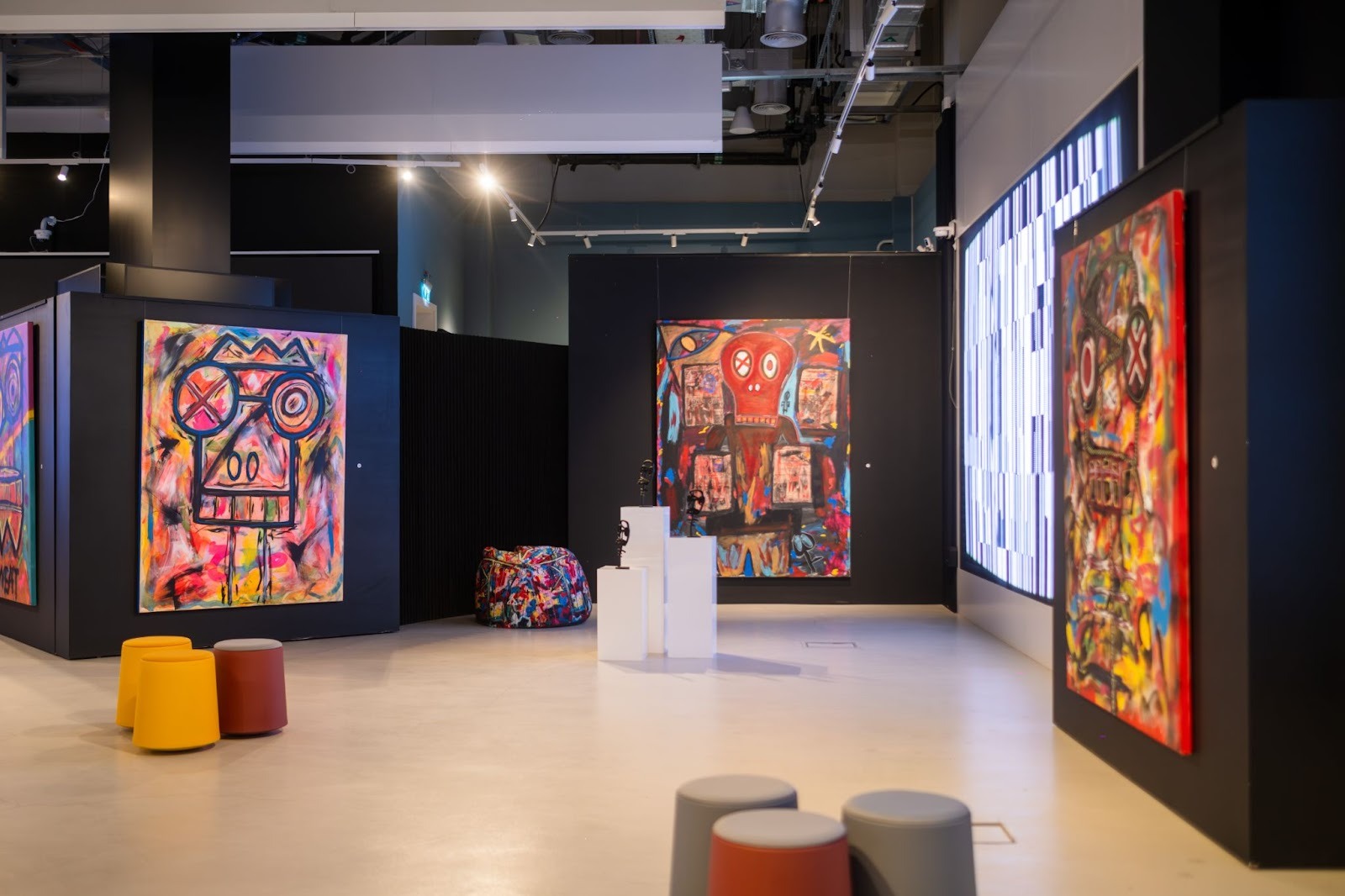
This philosophy is evident in the way Mondoir works with artists. It provides visibility and the resources needed to navigate the complexities of the art world. The platform enables artists to showcase their work in both physical and digital spaces while ensuring their voices remain central to the narrative. Mondoir positions artists as cultural contributors, not commodities, and supports their efforts in building sustainable careers while maintaining the integrity of their creative work.
Through its initiatives, Mondoir has helped artists gain institutional recognition and connect with collectors, enabling them to expand their reach without compromising their values.
Navigating the Intersection of Physical and Digital Art
As the art world evolves, new technologies like digital art, NFTs, and Web3 are gaining traction. Mondoir stands at the intersection of these emerging realms, but Soleymani approaches these technologies with caution. He believes that technology should enhance, not dilute, the cultural and artistic value of the work.
“Technology should serve culture, not dilute it,” says Soleymani. Mondoir uses digital innovations such as digital archiving and Web3 tools to improve accessibility, preservation, and discovery of art. These tools are integrated with the intention of providing meaningful engagement for both artists and collectors, while preserving the human essence of art.
Shaping the Future of Art
Soleymani’s dual role as both creator and critic of the art world positions him uniquely to shape its future. He is not merely participating in the industry but actively working to build alternatives to its existing structures. “I’m not building for the market; I’m building for the future of art,” he explains.
Mondoir’s approach focuses on what will stand the test of time. By prioritizing context, cultural relevance, and artistic integrity over short-term trends, Mondoir creates a platform that resists the hype-driven nature of today’s art market. Its ability to thrive both in physical and digital spaces, while staying true to its core values, sets it apart from other platforms that focus on immediate returns.
Mondoir: A Platform for the Future
Soleymani’s vision for Mondoir goes beyond selling art or organizing exhibitions. He envisions a comprehensive ecosystem where artists, collectors, and institutions can interact, learn, and grow together, contributing to a more sustainable future for the arts. Through this ecosystem, Mondoir seeks to provide meaningful, long-lasting cultural value that transcends the fleeting trends of the market.
For those who value art as more than just decoration or an investment, Mondoir offers a refreshing alternative, an environment where art remains relevant, impactful, and capable of shaping culture for generations to come.
Discover Mondoir’s Vision for the Future of Art
Explore how Mondoir is transforming the way we engage with art, from physical galleries to digital platforms. Visit Mondoir’s website to learn more about how they’re building a more meaningful and sustainable future for the art world.
Stay connected with Mondoir on Instagram and X (formerly Twitter).
