
Boeing CEO Dave Calhoun to Step Down Amid Leadership Overhaul

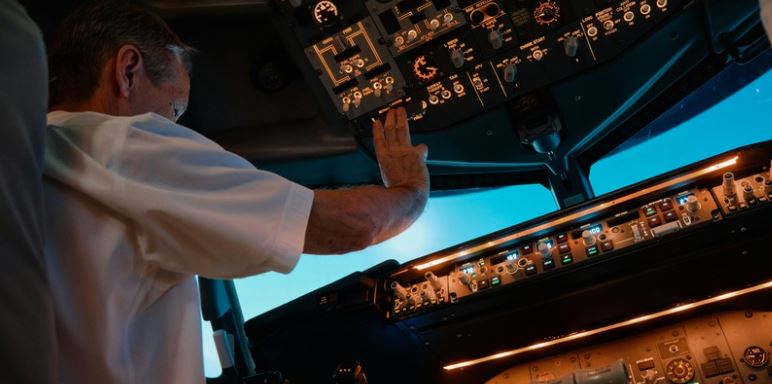
Boeing has announced that Chief Executive Officer Dave Calhoun will step down at the end of 2024, concluding a tenure marked by significant challenges and transformations within the aerospace giant. This leadership change is part of a broader executive reshuffle aimed at addressing ongoing safety concerns and restoring confidence in the company’s operations.
Calhoun, who assumed the CEO role in January 2020 following the resignation of Dennis Muilenburg amid the 737 MAX crisis, has navigated Boeing through a tumultuous period. His leadership encompassed the company’s response to the COVID-19 pandemic, efforts to return the 737 MAX to service, and initiatives to enhance safety protocols. However, a recent incident involving a door plug blowout on an Alaska Airlines 737 MAX 9 in January 2024 intensified scrutiny over Boeing’s manufacturing practices and quality control measures. In a letter to employees, Calhoun described the incident as a “watershed moment” and emphasized the company’s commitment to addressing its shortcomings.
In addition to Calhoun’s impending departure, Boeing’s board chair, Larry Kellner, has announced he will not seek re-election. Steve Mollenkopf, former CEO of Qualcomm and a current Boeing board member, has been appointed as the new independent board chair. Mollenkopf will lead the search for Calhoun’s successor, a process that is expected to focus on candidates with strong engineering backgrounds and a commitment to safety and quality.
The leadership changes extend to Boeing’s commercial airplanes division, where Stan Deal, the current president and CEO, will retire. Stephanie Pope, who has been serving as Boeing’s chief operating officer, will assume leadership of the division effective immediately. Pope’s appointment is seen as a strategic move to bring fresh perspectives to the division amid ongoing challenges in production and delivery schedules.
These executive transitions occur against a backdrop of intensified regulatory scrutiny. The Federal Aviation Administration (FAA) and the National Transportation Safety Board (NTSB) have launched investigations into Boeing’s manufacturing processes following the Alaska Airlines incident. Preliminary findings suggest lapses in quality control, prompting calls for comprehensive reforms within the company.
Boeing’s financial performance has also been under pressure. The company reported a net loss of $11.8 billion in 2024, attributed to production delays, increased costs, and compensation to airlines affected by delivery disruptions. The company’s stock has experienced volatility, reflecting investor concerns over its operational challenges and the effectiveness of its turnaround strategies.
As Boeing embarks on this leadership transition, stakeholders will be closely monitoring the company’s efforts to reinforce its commitment to safety, restore its reputation, and achieve operational stability. The selection of a new CEO will be pivotal in shaping Boeing’s strategic direction and addressing the complex challenges facing the aerospace industry.

CEO Times Contributor
Covers leadership, business strategy, entrepreneurship, and the people building innovative companies.
This article features partner, contributor, or branded content from a third party. Members of the CEO Times editorial staff were not involved in the creation of this content. All views and opinions are those of the contributor alone.