
Amtrak CEO Stephen Gardner Resigns Amid Political Pressure and Funding Disputes

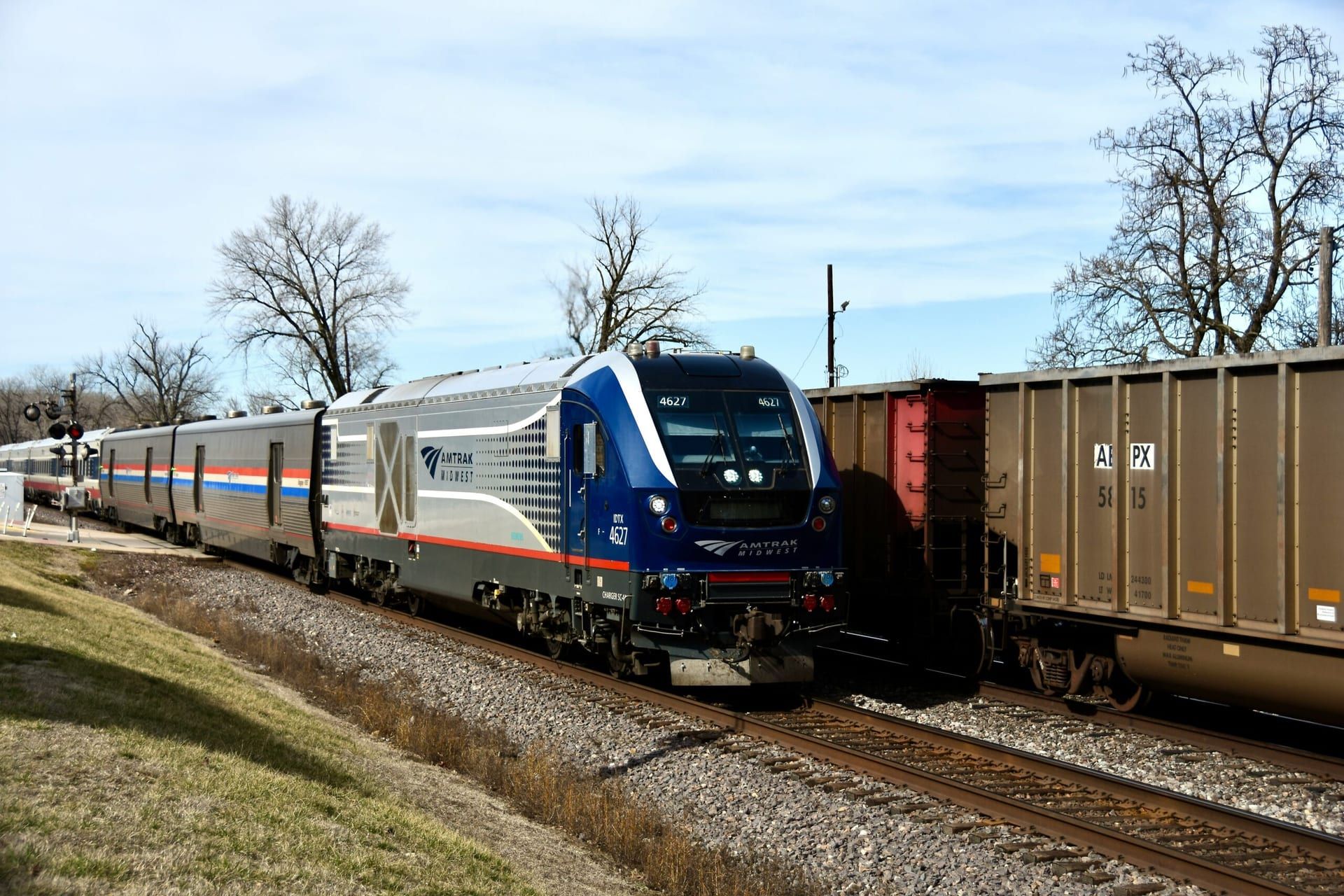
Amtrak CEO Stephen Gardner officially stepped down on March 19, 2025, following growing political tensions and federal scrutiny over the railroad’s funding, safety record, and operational future. The move, announced in a company statement, came at the urging of the White House. In his resignation, Gardner emphasized the need for Amtrak to retain full support from the federal government, stating his departure was “to ensure that Amtrak continues to enjoy the full faith and confidence of this administration.”
Gardner’s resignation comes at a pivotal time for Amtrak, which relies heavily on federal appropriations to maintain and expand service. Having served as CEO since January 2022, Gardner was a company veteran who started as an intern in the 1990s and steadily rose through the ranks. Over his 16-year career with the railroad, he led critical initiatives to modernize aging infrastructure, upgrade rolling stock, and improve safety across the network. Most recently, under his leadership, Amtrak saw a post-pandemic ridership rebound, logging a record 32.8 million passenger trips in fiscal year 2024.
Despite those achievements, Gardner faced mounting criticism from lawmakers and political appointees in the Trump administration. Transportation Secretary Sean Duffy raised concerns about deteriorating safety and security conditions at key hubs such as Washington, D.C.’s Union Station. These critiques aligned with broader Republican skepticism toward publicly funded transit, with some officials advocating for the partial or full privatization of Amtrak’s operations.
Adding fuel to the controversy, tech entrepreneur Elon Musk openly criticized Amtrak’s performance, calling it “kind of embarrassing” and outdated compared to international rail systems in Europe and Asia. Musk’s comments, amplified on social media and in congressional testimony, further energized calls for reform and privatization.
Amtrak’s board responded to the political climate by accepting Gardner’s resignation but did not immediately name a permanent replacement. President Roger Harris, who has held the company’s No. 2 post since mid-2022, was appointed interim CEO. Harris is now charged with maintaining leadership continuity as the board weighs future executive candidates. His interim tenure comes as Congress continues to debate the future of federal support for Amtrak.
In December 2024, Congress approved $2.42 billion in federal funding for Amtrak’s FY 2025 operations—a modest increase from previous years but still well below what the company had requested. While the Biden administration had strongly supported Amtrak under the Bipartisan Infrastructure Law, the Trump administration’s return in 2025 brought a sharp shift in priorities. New proposals from the White House seek to reduce funding for intercity rail in favor of highways and aviation, challenging Amtrak’s long-term plans for expansion and modernization.
Gardner’s departure now puts Amtrak in a precarious position. The company is tasked with implementing an ambitious capital program, including key projects in the Northeast Corridor such as the Gateway Program and replacement of aging bridges and tunnels. Additionally, service enhancements in underserved regions and small cities—initiatives championed during Gardner’s tenure—may now face delays or defunding.
Industry analysts suggest that Gardner’s resignation signals deeper turbulence ahead. The intersection of politics, transportation policy, and infrastructure investment has once again placed Amtrak at the center of a high-stakes national debate. Whether the company can maintain momentum without Gardner—and under a potentially unsupportive administration—remains to be seen.
Roger Harris, who previously led Amtrak’s commercial and business operations, is expected to focus on stabilizing day-to-day performance, maintaining negotiations with federal partners, and defending the railroad’s strategic value to the American public. Harris has not yet confirmed whether he will be considered for the permanent CEO role.
As Amtrak approaches its 54th anniversary, it finds itself at a crossroads. The next phase of its leadership and funding outlook will determine whether it continues as a federally supported national passenger rail provider or shifts toward a more privatized, market-driven model. For now, Gardner’s exit marks a dramatic inflection point in the company’s storied and often politically charged history.

CEO Times Contributor
Covers leadership, business strategy, entrepreneurship, and the people building innovative companies.
This article features partner, contributor, or branded content from a third party. Members of the CEO Times editorial staff were not involved in the creation of this content. All views and opinions are those of the contributor alone.