
Tech Mogul Proposes Groundbreaking Bilateral Fund
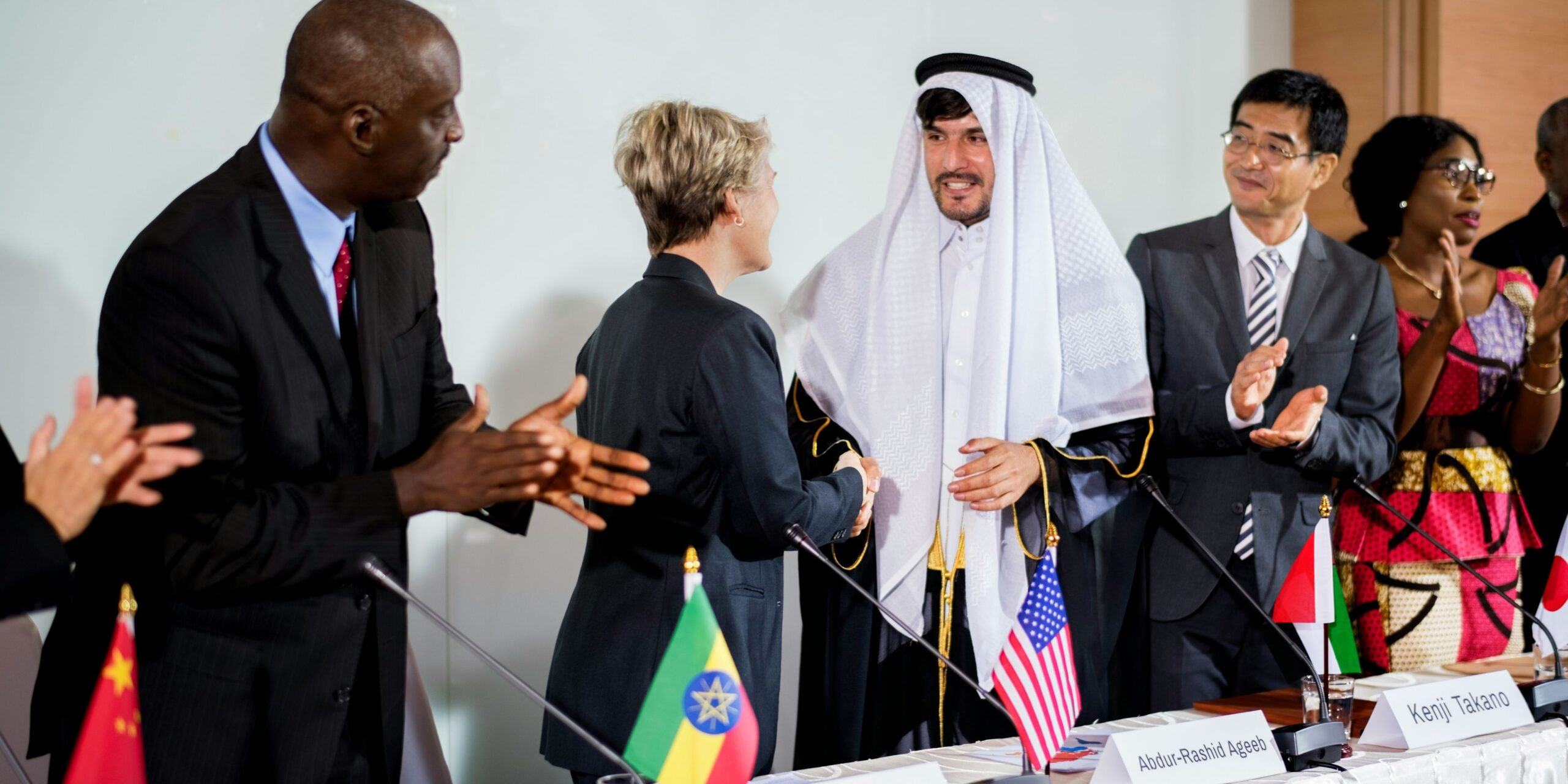
SoftBank founder Masayoshi Son has proposed a transformative $300 billion sovereign wealth fund jointly operated by the United States and Japan. The fund, still in its conceptual stages, is designed to invest heavily in U.S.-based technology and infrastructure projects and could ultimately serve as a new model for international investment collaboration.
Discussions have reportedly been held at high levels, including informal talks with U.S. Treasury officials. The fund is envisioned to be co-owned by the U.S. and Japanese governments, with equal oversight and operational input. It would also welcome additional investors over time, including potentially opening to public investment, a rare move for sovereign-level finance.
A Vision for Global Financial Innovation
The proposed sovereign wealth fund marks a radical departure from traditional government economic strategies that rely on tax incentives to stimulate private investment. Instead, this fund would directly generate revenues for the governments involved. By acting as an investor rather than a regulator, the U.S. and Japanese treasuries could receive consistent returns from the fund’s ventures in critical infrastructure, emerging technologies, and national economic development.
This approach positions the fund as a forward-thinking financial instrument — one that not only funds growth but earns from it. The model also proposes leveraging the $300 billion starting capital to create significantly higher economic impact, using financial structuring and capital markets to multiply its reach.
Aligning Economic Goals with Political Strategy
The timing of the proposal is significant. The United States and Japan are currently engaged in sensitive trade negotiations, with issues ranging from tariff policies to technology cooperation. Establishing a co-managed sovereign fund could serve as a diplomatic bridge, reinforcing economic ties while allowing both nations to share in the success of future innovations.
Masayoshi Son, a longtime advocate of public-private synergy in the tech sector, has also maintained close relationships with key policymakers. His involvement signals a level of commitment to ensuring the fund not only launches but thrives. Son has previously championed multi-billion-dollar initiatives focused on AI and data infrastructure, including the ambitious “Stargate” project aimed at building data centers and AI infrastructure across the United States.
Potential Economic Impact
Should the fund come to fruition, it could inject unprecedented capital into America’s technological backbone. Projects under its portfolio may include next-generation semiconductor facilities, advanced telecommunications networks, AI research hubs, and clean energy systems. These investments could create tens of thousands of high-skilled jobs, boost regional economies, and advance national competitiveness.
Beyond job creation, such a fund would provide a new fiscal channel for funding innovation. It also reduces the reliance on debt-financed government spending, presenting an alternative that appeals to both conservative and progressive fiscal policy makers.
A Blueprint for Future Sovereign Partnerships
If successful, the U.S.-Japan fund could become a prototype for similar bilateral or multilateral sovereign wealth partnerships. Countries with complementary economic strengths could align through such funds to tackle global challenges — from climate change infrastructure to global digital equity and medical research.
Experts believe that public participation, should it materialize, could further legitimize the fund’s mission. It could democratize sovereign wealth, previously reserved for elite government and institutional players, allowing average citizens to invest in the economic future of their countries.
What’s Next?
While the proposal has not yet been formally adopted by either government, early feedback from decision-makers and advisors appears optimistic. The concept’s originality and timing—amid growing calls for alternative economic strategies and a renewed focus on national resilience—make it an idea that could gain rapid traction.
Masayoshi Son is expected to continue promoting the initiative through both public and private channels in the coming months. Analysts anticipate formal frameworks may begin to surface after key diplomatic meetings scheduled in the near future.
By Darius Blakely, Senior Correspondent