

After more than two decades of international research, Daniela Jines explores why so many people are unhappy at work and what organizations can do differently.
Almost everyone knows someone who dreads Monday morning.
Some stay because they need the paycheck. Others remain because they believe stress, exhaustion, and dissatisfaction are simply the price of professional success. Over time, many people stop questioning whether work could feel different at all.
Daniela Jines never stopped asking.
For more than 20 years, the Organizational Happiness Strategist, Fulbright Scholar, researcher, and founder of Happy Organizations has pursued one question across more than 30 countries.
Why are so many people unhappy at work?
The answers did not emerge from a single study or corporate project. They developed through years of conversations with business leaders, workers, university researchers, healthcare professionals, educators, entrepreneurs, Indigenous communities, and traditional knowledge keepers. Although their cultures and professions differed, many described remarkably similar experiences.
People often believed they had to choose between professional success and personal well being.
A Question That Became a Global Journey
As Jines continued her research, she began noticing that workplace unhappiness rarely resulted from one isolated factor.
Instead, it often reflects the cumulative effect of organizational culture, leadership practices, communication, psychological safety, and the everyday experiences that shape how people feel about their work.
Her research gradually expanded beyond traditional management theory to include neuroscience, organizational psychology, leadership studies, and cross-cultural perspectives on human flourishing.
Rather than searching for quick fixes, she became interested in understanding the deeper conditions that allow both people and organizations to thrive.
When Science Meets Humanity
One of the defining ideas emerging from Daniela Jines’ work is what she calls Organizational Happiness as an Art.
The concept recognizes that scientific research provides valuable evidence about human behavior, motivation, and well being. Yet evidence alone does not transform workplaces.
Creating healthier organizations also requires empathy, intentional leadership, creativity, and meaningful human relationships.
Science explains why people flourish.
Leadership determines whether organizations make that possible.
This perspective challenges the common assumption that workplace happiness belongs exclusively within human resources or employee wellness initiatives.
Instead, Jines views it as an organizational capability that influences culture, collaboration, innovation, and sustainable performance.
Three Ideas That Continue Shaping Her Research
Throughout her international work, several themes have consistently emerged.
The first is that burnout should not always be viewed as an individual weakness. While personal resilience remains important, organizational systems also influence whether people can perform sustainably over time.
The second is that workplace culture is created through ordinary interactions rather than occasional wellness programs. Daily experiences of trust, appreciation, communication, and belonging often shape employee well being more profoundly than isolated initiatives.
Finally, she believes organizational happiness combines both science and art. Research offers valuable knowledge, but leaders must intentionally translate that knowledge into environments where people feel respected, supported, and able to contribute their best work.
Together, these ideas continue shaping her work with organizations seeking healthier workplace cultures.
From Research to the Written Page
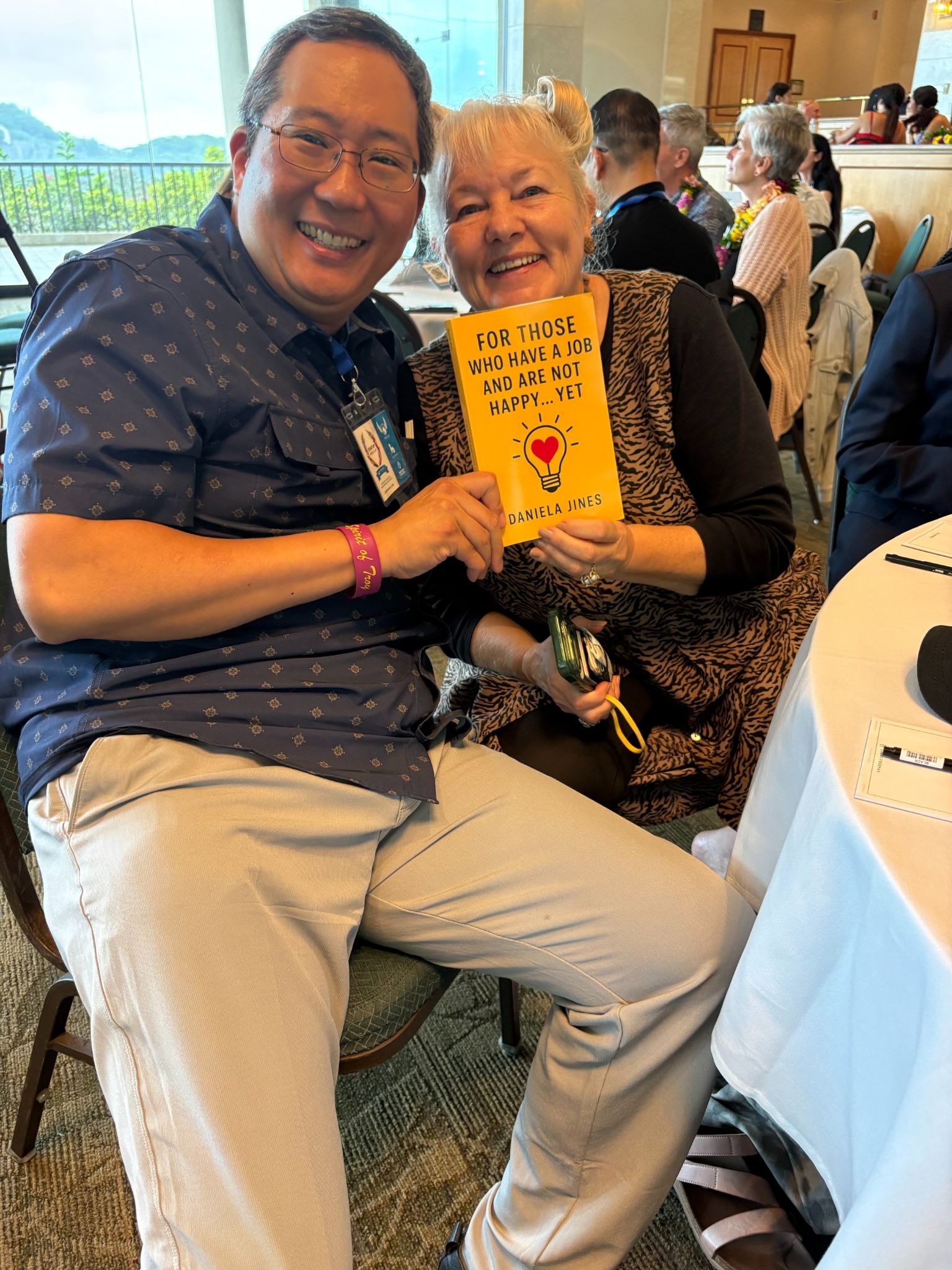
Eventually, years of interviews, field research, consulting, and international collaboration inspired Jines to write For Those Who Have a Job and Are Not Happy… Yet.
Rather than producing another management book filled primarily with theory, she wanted to create a practical resource that workers and leaders could immediately apply within their own organizations.
The book transforms decades of research into accessible, evidence-based tools that encourage readers to rethink long accepted assumptions about work, leadership, and organizational culture.
More importantly, it invites readers to ask different questions.
Instead of wondering how people can better tolerate unhealthy workplaces, perhaps organizations should ask how they can intentionally create environments where people genuinely flourish.
A Conversation That Continues
As discussions surrounding burnout, employee engagement, and the future of work continue evolving, Daniela Jines hopes her work contributes something more enduring than another workplace trend.
She hopes it encourages reflection.
After more than two decades studying organizations across cultures, she believes healthier workplaces are not created by chance.
They are intentionally designed through leadership, human connection, scientific understanding, and a genuine commitment to helping people succeed together.
If organizations can unintentionally create unhappiness, she believes they also possess the ability to intentionally create workplaces where both people and performance thrive.
Explore Daniela Jines’ Work
To learn more about Daniela Jines and Happy Organizations, visit Daniela Jines:Happy Organizations Connect with her on LinkedIn and follow her on Instagram.
Readers interested in For Those Who Have a Job and Are Not Happy… Yet can find the book through Barnes & Noble.
