
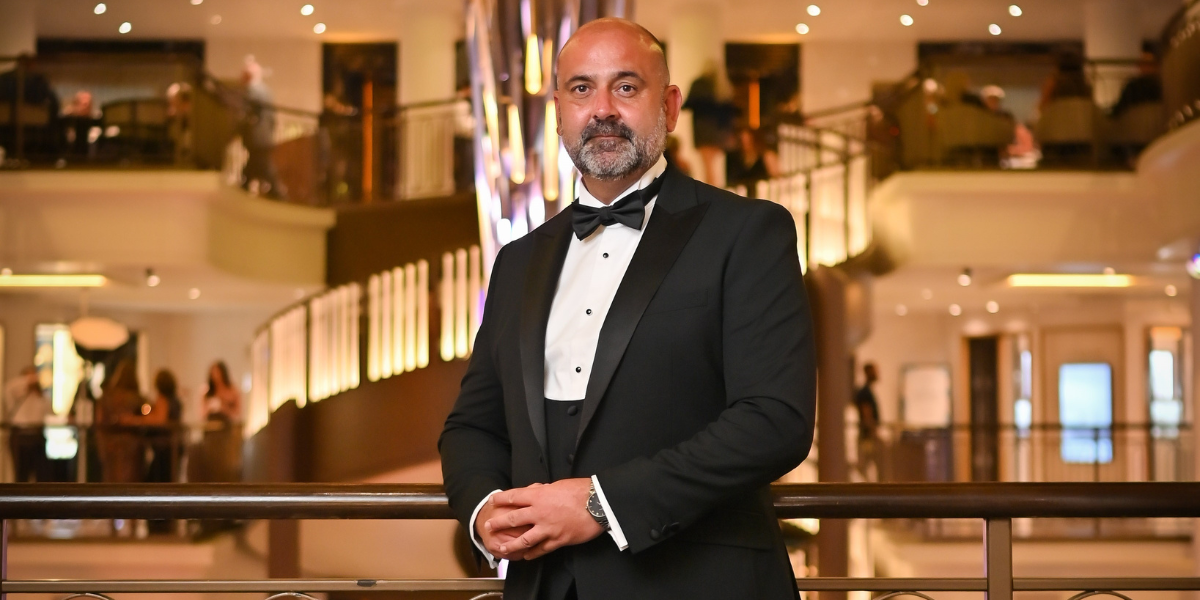
International operations and project professional Tariq Butt highlights how integrated leadership across safety, security, and guest experience supports the delivery of large scale global events.
In large scale event environments, success is often defined long before doors or gates open. Behind every stadium event or major public gathering is a structured operational framework where planning, coordination, and communication determine how smoothly thousands of people move through a shared space.
Within these environments, the role of operations and project leadership is focused on aligning multiple moving parts into a single, coordinated system. Tariq Butt, an operations and project professional, works within this space where safety, structure, and experience must function together in real time.
For audiences, an event begins when the lights come on. For operational teams, it begins much earlier, where planning and coordination shape every stage of delivery.
Building a Career in Operational Delivery
According to his professional background, Tariq Butt has developed experience in operational environments involving policing, safety, security coordination, guest experience, venue operations and large scale event management support.
This background has influenced his systems based approach to operations, where events are viewed not as isolated departments, but as interconnected functions. Crowd movement, communication systems, safety planning, and guest experience are treated as interdependent elements within a single operational structure.
Over time, this approach has been applied across a variety of live event environments, including stadiums, arenas, and large public gatherings in different international contexts.
Delivering Complex Event Environments
Large-scale events require coordination across multiple operational areas simultaneously. These typically include crowd management, safety planning, security coordination, and guest experience delivery.
In such environments, the role of operations leadership is not only about planning but also about adapting in real time. Conditions can shift quickly, requiring clear communication between teams and structured decision-making under pressure.
Tariq Butt’s operational approach focuses on maintaining clarity across these systems, ensuring that each function works in alignment with the overall event objectives.
The Importance of Integrated Operations
A key principle reflected in modern event delivery is the integration of traditionally separate functions. Safety, security, and guest experience are increasingly managed as connected elements rather than isolated departments.
This integrated model allows for more responsive decision-making, where operational teams can adjust dynamically based on crowd behaviour, environmental conditions, or live event requirements.
In this context, operational leadership becomes less about individual functions and more about ensuring system-wide coordination.
Working in High-Pressure Environments
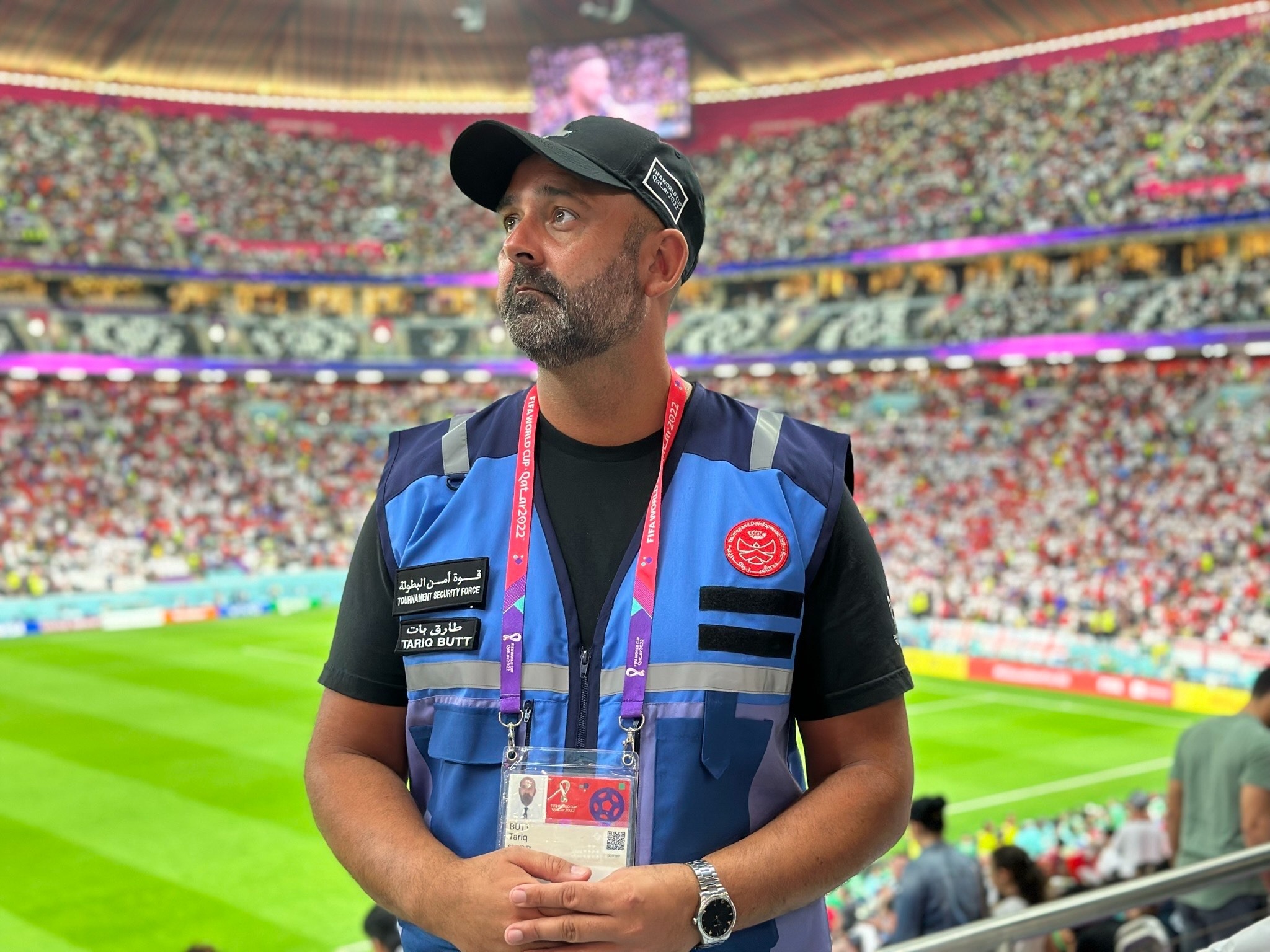
Event operations often take place in fast-moving and high-pressure conditions, particularly during peak crowd movement, live incidents, or coordinated multi-agency activity.
In these situations, communication is essential. Clear instructions, structured escalation processes, and consistent messaging help ensure that teams remain aligned.
Tariq Butt’s approach, as reflected in his professional focus, emphasises calm coordination and structured communication to support operational stability during live environments.
A Systems-Based Approach to Event Management
Modern event delivery increasingly relies on systems thinking, where each operational component is understood in relation to others.
Crowd flow impacts safety outcomes. Communication affects movement efficiency. Venue design influences overall experience.
By understanding these relationships, operational teams can create more predictable and controlled environments, even in complex or high-capacity settings.
This systems-based approach continues to shape how large-scale events are planned and delivered globally.
International and Cross-Functional Experience
Based on publicly available professional information, Tariq Butt has worked across a range of operational environments involving large venues and complex event delivery holding senior roles in different regions.
This cross-functional exposure contributes to a broader understanding of how operational practices vary across cultures, organisations, and event types, while still relying on consistent core principles such as coordination, safety, and communication.
Professional Engagement and Industry Insight
Alongside his operational work, Tariq Butt shares professional insights on leadership, event operations, and safety coordination across several digital platforms. His content and updates can be found on LinkedIn, X, YouTube, and Instagram, where he engages with audiences on industry themes and leadership perspectives. More information about his work is also available on his official website Tariq Butt, and his organisation’s page, TBSSTC, which further outline his professional focus and initiatives.
Through these platforms, he contributes to broader discussions on operational delivery, leadership under pressure, and the evolving nature of global event management.
The Evolution of Event Operations Leadership
The field of event operations continues to evolve as large-scale gatherings become more complex and interconnected.
Success is increasingly defined by the ability to integrate multiple operational functions, safety, security, and guest experience, into a unified and responsive system.
Within this context, Tariq Butt’s professional focus reflects a wider shift in the industry toward integrated operational leadership, where clarity, coordination, and structured communication remain central to effective event delivery.