
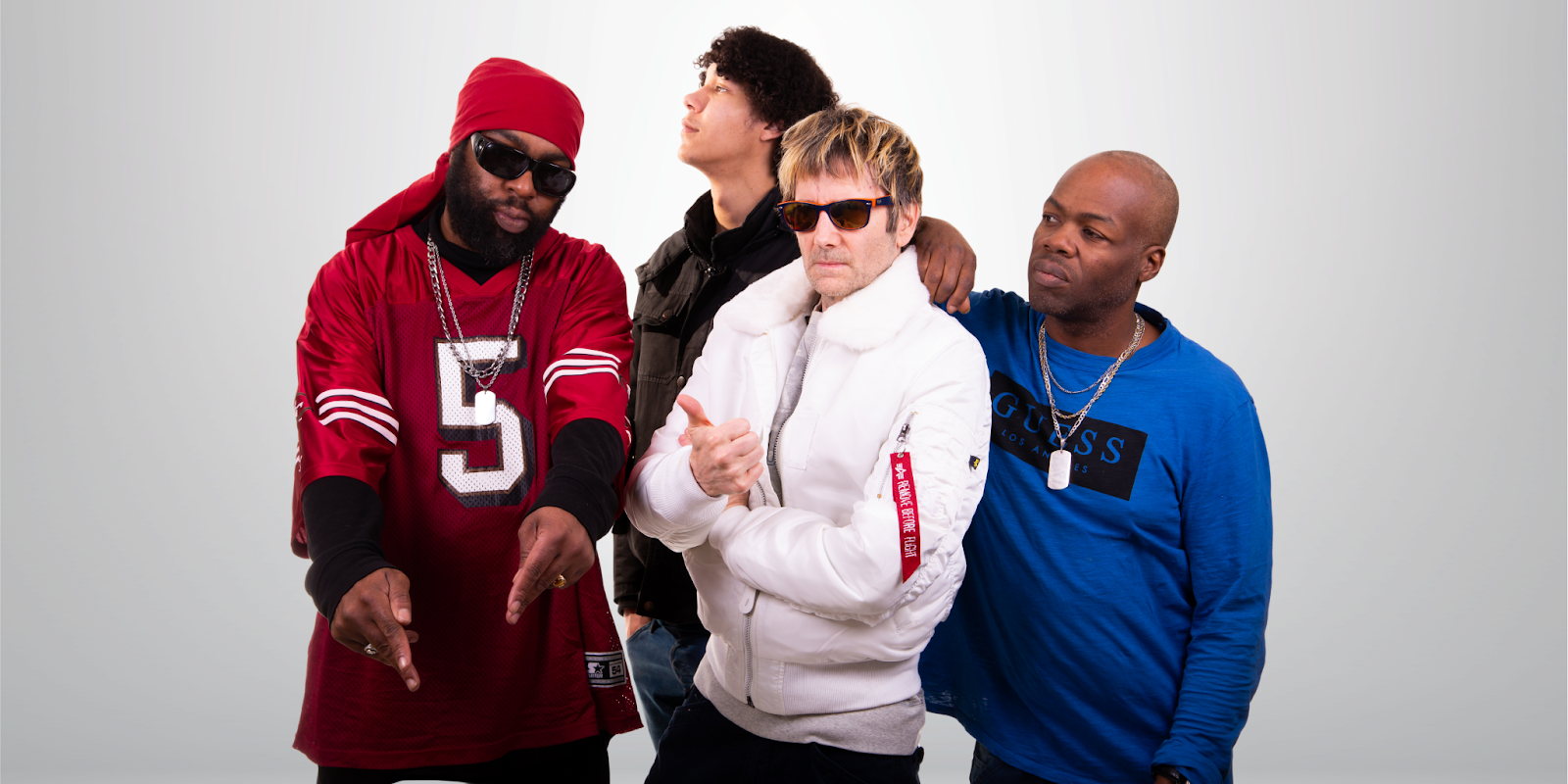
Daforce Dawg’s decades-long career shows how independent artists often create cultural value before corporations adopt similar branding.
In the mid 1990s, Dominic Laforce stood on small Montreal stages with no safety net beyond belief in his craft. Known as Daforce Dawg, he was not chasing visibility. He was shaping identity. Every verse, performance, and release added weight to a name that would become familiar within the city’s hip hop community. Long before branding strategies became corporate science, Daforce was already doing the work. He was building recognition the hard way, through time, consistency, and cultural presence.
Daforce Dawg began releasing music as early as 1994, at a moment when Canadian hip hop was still fighting for legitimacy. Montreal offered energy and resistance in equal measure. For Daforce, the mission was not commercial dominance. It was a cultural contribution. His work was described as bringing a new slant to underground urban poetry, with a clear intention to move hip hop forward locally. That clarity helped establish his name as more than an alias. It became a marker of credibility.
In 1997, he formalized his independence by founding Unknown Source Music, an independent hip hop collective and label. The name captured the reality of many artists at the time. Create without institutional backing. Build without mainstream acknowledgment. Unknown Source Music, featuring artists like Daforce Dawg, became a documented part of 1990s independent hip hop history. This was not a side project. It was infrastructure built from the ground up.
The obstacles were constant. Limited resources, narrow media access, and the pressure to compromise tested his resolve. Yet Daforce persisted. He opened for established artists such as LL Cool J, a verifiable milestone that placed him within influential hip hop circles while reinforcing his standing. These moments mattered, not as trophies, but as proof that independent voices could stand alongside industry giants without surrendering identity.
What makes Daforce Dawg’s story especially relevant today is not just longevity. It is timing. He established his moniker and cultural presence decades before similar sounding names appeared in unrelated industries. His use of the name Daforce is historically verifiable through releases, performances, and coverage. The timeline is clear. His identity was built in public, in community, and over nearly thirty years.
This matters because culture often moves faster than corporations. Independent artists are frequently the first indicators of what resonates. They test language, aesthetics, and narratives in real time. When something sticks, it gains organic traction. Corporations monitor this landscape closely. Market awareness includes understanding local cultural signals, especially in cities like Montreal where global companies maintain offices and operations.
The pattern is familiar across industries. When an artist or small entity becomes recognizable, their identity carries value. That value is not always acknowledged directly. Sometimes it is mirrored. Sometimes it is echoed. Sometimes it is adopted in adjacent spaces without partnership or benefit to the original creator. This is not about blame. It is about structure. Large organizations have resources to scale branding quickly. Independent artists often do not have the same protections.
Daforce Dawg’s experience illustrates this imbalance. His name carried recognition within a specific cultural context long before corporate rebranding cycles entered the picture. When similar names appear later in different industries, the distinction can blur in public perception. Search results flatten history. Algorithms do not explain origin. The result is visibility without benefit, acknowledgment without compensation.
Media coverage helps preserve clarity. Outlets like The Hype Magazine have highlighted Daforce Dawg’s work, noting his ability to push through noise with gritty releases grounded in lived experience. Such documentation is essential. It establishes chronology. It shows who built what, and when. It reinforces that independent culture does not appear overnight. It is earned.
Importantly, this narrative does not seek to expose or accuse. It seeks to explain. Corporations do not create culture in isolation. They often respond to it. Small entities, especially independent artists, play a critical role in shaping language and identity that later become valuable at scale. When partnership is absent, the original creator is left with legacy but limited leverage.
For Daforce Dawg, legacy matters. His work is part of Montreal’s hip hop history. His name is tied to a specific time, place, and movement. That connection is not interchangeable. It cannot be retroactively assigned or diluted without consequence. His story underscores why independent artists must document their work, protect their identity, and assert their place in cultural timelines.
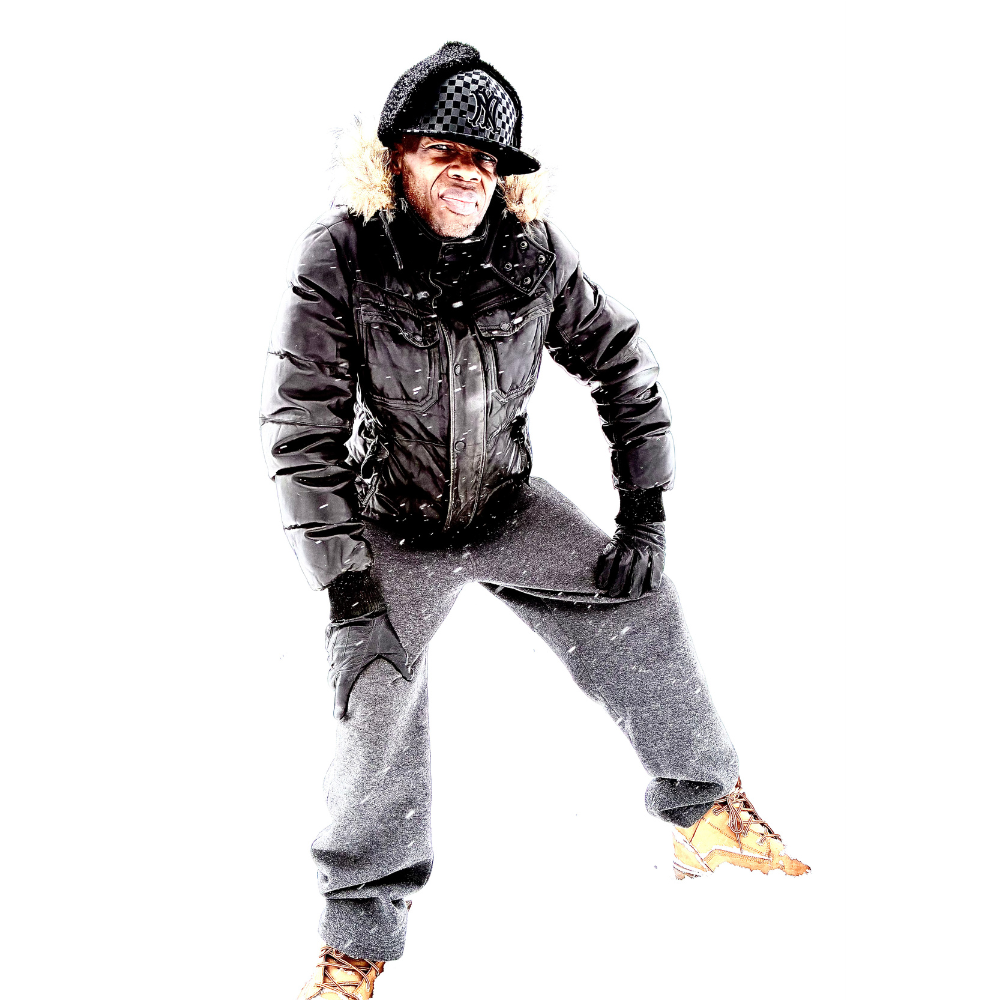
The broader lesson is simple. Culture begins small. It grows through authenticity. When it becomes visible, others take notice. Daforce Dawg represents countless creators whose influence precedes recognition. He is a clear example of how branding often follows art, not the other way around.
Readers interested in understanding how independent artists shape cultural branding can explore coverage through outlets like The Hype Magazine and 24 Hours Hip Hop. These sources provide additional context on why origins matter, and why acknowledging them remains essential to preserving cultural integrity.