
New flash data from S&P Global indicates that the U.S. economy saw a modest acceleration in early March, driven primarily by a rebound in services activity. However, manufacturing showed signs of strain amid rising costs and waning optimism among business leaders.
The headline S&P Global Flash U.S. Composite Purchasing Managers’ Index (PMI) climbed to 53.5 in March, up from 51.6 in February, pointing to continued expansion in private-sector activity. This increase was largely fueled by the services sector, with the Flash U.S. Services PMI rising sharply to 54.3, marking its strongest reading since December and well above consensus forecasts of around 51.2.
Service providers—spanning industries such as hospitality, healthcare, and finance—reported stronger new business inflows, reflecting an improvement in underlying demand. Analysts noted some of this gain may have been influenced by seasonal weather normalization, following a slow start to the quarter due to winter conditions.
S&P Global’s Chief Business Economist, Chris Williamson, commented that the services uptick “helped propel stronger economic growth at the end of the first quarter,” estimating that March GDP expanded at roughly a 1.9% annualized rate. Despite the robust headline data, he added that service-sector inflation remained “relatively subdued,” as competitive pressures continued to limit firms’ ability to pass rising costs onto consumers.
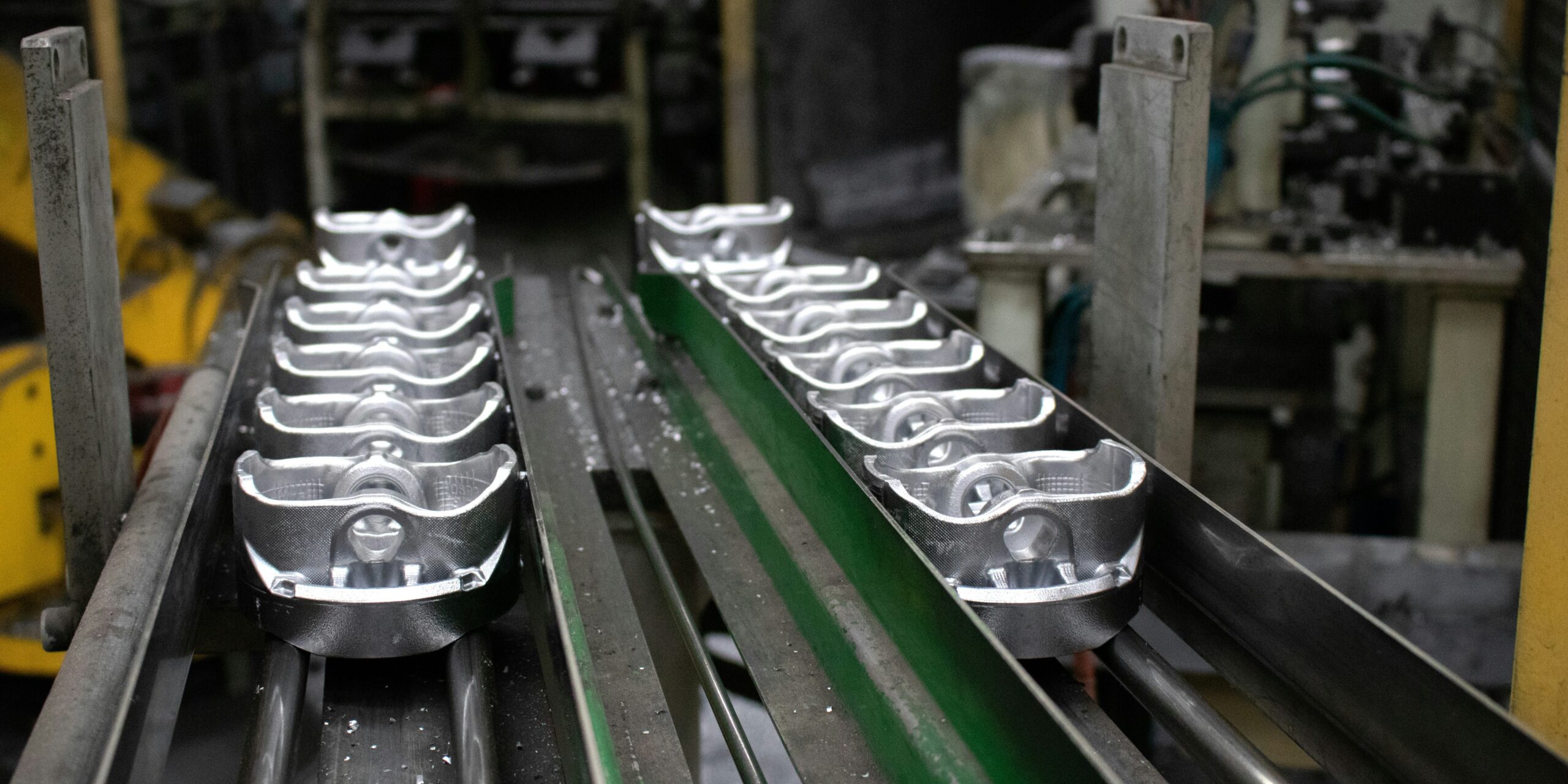
In contrast to services, the Flash U.S. Manufacturing PMI fell to 49.8, down from 52.7 in February, signaling a return to contraction for the first time in several months. This decline was attributed to weaker new order volumes and a drop in output, which, until February, had been buoyed by firms front-loading inventory ahead of potential tariffs.
Manufacturers are facing mounting pressure from input cost inflation. The PMI’s input prices index surged to its highest level in nearly two years, driven by increased prices for raw materials and uncertainty around tariff policy. The Institute for Supply Management (ISM) also confirmed this trend, reporting a manufacturing PMI of 49.0 in March and noting factory-gate inflation reaching three-year highs.
Tariff anxieties, particularly from recent announcements from the Trump administration regarding levies on goods imported from China, Canada, Mexico, and Venezuela, have exacerbated cost pressures. Manufacturers have responded by absorbing higher input costs, with many passing them along to consumers. Elevated cost inflation combined with softening demand led Goldman Sachs to raise its estimated probability of recession within the next year to approximately 35%.
Despite expansion in the services sector, confidence among service and manufacturing executives declined sharply. Composite business sentiment dropped to its second-lowest level since October 2022. Concerns centered on a deteriorating economic outlook, including fears of reduced consumer demand, aggressive federal spending cuts, and the potential escalation of trade conflicts.
While services activity remains the dominant force in driving overall growth, the weakening in manufacturing and eroding sentiment suggest that this momentum may be fragile. Williamson noted that the recent uptick could be partly attributable to businesses making up for activity lost to winter storms earlier in the quarter, making it unclear whether the trend would sustain.
The Federal Reserve’s latest projections, released in March, anticipated slower economic growth—about 1.7% for 2025, down from earlier estimates of 2.1%. The Fed also emphasized that inflation, particularly core Personal Consumption Expenditures (PCE), was expected to average 2.8%, above its 2% long-term target.
Financial markets responded cautiously to the flash PMI update. The steep rise in input costs and concerns about demand momentum reduced expectations for imminent rate cuts by the Fed. However, some investor caution may already be embedded in asset prices.
Looking forward, the divergence between services strength and manufacturing weakness will be key indicators of economic resilience. If the manufacturing sector’s output and investment continue to slide, it could hamper employment growth, which PMI surveys already suggest is slowing.
Economic watchers will also closely monitor official ISM data in coming weeks to determine if the flash trends persist. Fresh readings on business investment, consumer spending, and employment in April will serve as critical gauges of whether the economy can sustain growth in the face of inflationary pressures and policy uncertainties.
For now, the March flash PMI underscores the continued dominance of the U.S. services sector in supporting economic activity, but also highlights underlying vulnerabilities lurking within the manufacturing core.
