
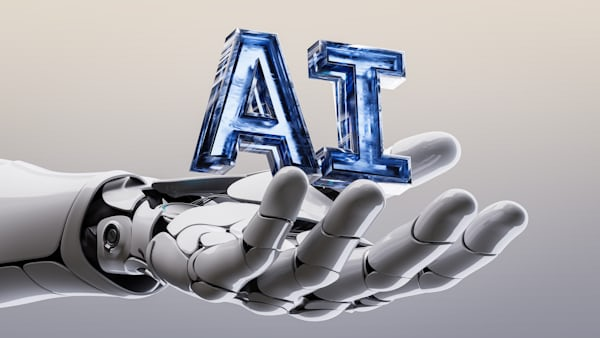
As we reflect on the beginning of 2023, one of the most notable shifts in the business landscape was the acceleration of AI and automation adoption. Across industries such as technology, finance, and healthcare, business leaders embraced these innovations not just as tools for efficiency, but as game-changers that would define the future of their companies. By January 2023, it was clear that AI and automation were no longer just buzzwords — they were essential components of modern business strategy.
The Surge in AI and Automation Adoption
In January 2023, AI’s transformative potential took center stage. Business leaders quickly realized that artificial intelligence and machine learning could boost productivity, streamline operations, and elevate customer experiences in ways previously imagined only in sci-fi. Companies across various sectors began to deploy AI tools to solve complex problems, automate repetitive tasks, and gain insights that could inform strategic decisions.
For example, AI-powered tools like OpenAI’s GPT models were not only improving customer service but were also enhancing data analysis and logistics. Customer service departments, especially, began to embrace AI chatbots and virtual assistants to handle common inquiries, allowing human employees to focus on more complex tasks. This shift toward automation in customer service helped businesses improve response times, reduce operational costs, and offer more personalized experiences to customers.
Industry Leaders Highlight the Need for Ethical AI
In the midst of this rapid AI adoption, leaders in the tech space recognized the importance of guiding AI development with responsibility and ethical standards. Sundar Pichai, CEO of Alphabet (Google’s parent company), was vocal about the need for transparency and ethical considerations in AI development. He argued that as businesses increasingly integrate AI into their operations, they must be mindful of its potential societal impact and ensure that AI is developed and deployed in a way that is fair, transparent, and accountable.
Pichai’s comments were a direct response to concerns about AI’s ability to perpetuate biases, privacy issues, and potential job displacement. The call for ethical AI development became a significant theme in 2023, with several major companies establishing internal frameworks and policies to guide their use of AI in a responsible and sustainable manner.
Elon Musk and the Role of Innovation
Elon Musk, a known advocate of AI, continued to push the boundaries of what AI and automation could achieve. At Tesla, the company’s efforts to integrate AI into its self-driving technology took on even greater urgency as the automotive industry faced increased pressure to innovate. Tesla’s autonomous driving system, powered by machine learning, became a cornerstone of the company’s vision for the future of transportation.
Similarly, Musk’s other ventures, including Twitter, leaned into AI and automation to enhance user engagement and streamline operations. Musk’s approach to AI has always been about pushing the envelope — encouraging rapid development, while also taking steps to ensure these technologies do not outpace human oversight.
In January 2023, Musk continued to emphasize the role of AI as a competitive differentiator. His ventures demonstrated that embracing cutting-edge technology was no longer optional but crucial to maintaining a leadership position in the fast-evolving tech landscape.
The Competitive Edge of AI in 2023
For CEOs and decision-makers, embracing AI was no longer a matter of curiosity or exploration — it was a critical move to remain agile and competitive. In 2023, AI’s ability to automate repetitive tasks, analyze vast amounts of data, and deliver insights at lightning speed gave companies an edge in an increasingly tech-driven market. But beyond operational efficiencies, AI was seen as a strategic differentiator. The ability to leverage AI meant staying ahead of competitors, making faster, data-driven decisions, and offering innovative solutions that attracted customers and investors alike.
As companies became more agile in their AI adoption, the pace of digital transformation sped up. For many, AI wasn’t just a tool for enhancing productivity but a core element of the company’s strategy for growth. Businesses that adopted AI solutions early in the year set themselves up for long-term success, as AI technology quickly became ingrained in their operations.
The Future of AI in Business
Looking ahead, it’s clear that AI and automation will continue to shape the business world. From customer interactions to data management and even supply chain logistics, AI’s role in business will only grow more central as companies strive for greater efficiency, innovation, and personalized experiences.
As AI tools continue to evolve, the business community will face new challenges and opportunities in leveraging these technologies responsibly. Ethical considerations will remain at the forefront of AI development, ensuring that businesses use AI in a way that benefits society as a whole while maintaining competitive advantage.
Conclusion
January 2023 marked a defining moment in the integration of AI and automation into business strategies. With major CEOs like Sundar Pichai and Elon Musk highlighting both the transformative potential and ethical responsibility of AI, businesses made it clear that AI was more than just a trend — it was a key driver of innovation. By embracing AI as a competitive differentiator, businesses set the stage for a more automated, efficient, and intelligent future.