
Leadership in a New Era: CEOs Address Economic and Geopolitical Uncertainty – January 2023

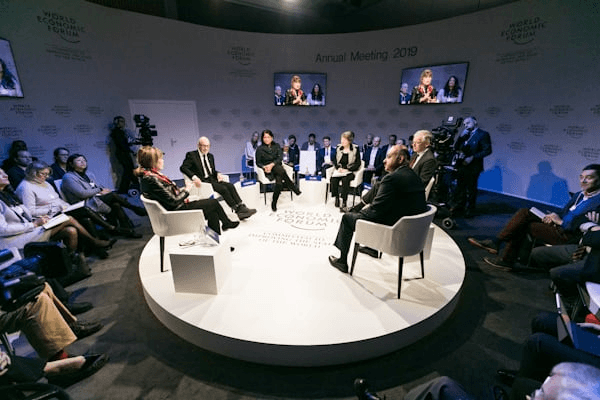
As the world entered January 2023, U.S. CEOs found themselves navigating a business landscape shaped by global economic uncertainties, inflationary pressures, and rising geopolitical tensions. Leaders of major corporations, including Doug McMillon of Walmart and Tim Cook of Apple, were tasked with adapting to a rapidly changing environment marked by tight supply chains, fluctuating consumer behavior, and the lingering effects of the COVID-19 pandemic. This period saw executives recalibrate growth strategies while managing the impacts of economic volatility and market instability.
Economic Pressures: Managing Inflation and Rising Costs
By January 2023, the U.S. economy was still dealing with the effects of inflation, which had remained persistent through the end of 2022. For CEOs like Doug McMillon of Walmart, addressing the rising costs was an urgent priority. As the world’s largest retailer, Walmart faced challenges related to both inflation and shifting consumer behaviors. McMillon was forced to balance the company’s traditional strengths in low-cost offerings with the need to keep prices affordable, all while maintaining profitability.
At the same time, Tim Cook, the CEO of Apple, found himself managing Apple’s exposure to global supply chain disruptions and escalating operational costs. Apple, which relies on a complex network of suppliers and manufacturers across multiple regions, was no stranger to the semiconductor shortages that plagued industries worldwide. With rising costs affecting both raw materials and transportation, Cook had to ensure Apple’s high-demand products, like the iPhone and MacBook, continued to meet consumer expectations while balancing the company’s bottom line.
Geopolitical Tensions: Shifting Global Dynamics
As economic uncertainties dominated the agenda, geopolitical instability also shaped business decisions. The ongoing war in Ukraine continued to impact energy prices and trade routes, affecting supply chains and the broader economic outlook. Both McMillon and Cook had to navigate the fallout from these events, especially as businesses faced increasing pressure to reconsider their operations in volatile regions.
For Walmart, the geopolitical landscape affected everything from sourcing goods to navigating the complexities of international logistics. The company’s vast network of suppliers and customers made it vulnerable to fluctuations in global trade, particularly as tensions between the U.S. and China escalated over trade policies and tariffs.
Meanwhile, Tim Cook’s leadership at Apple had to consider the company’s dependence on China for manufacturing. As geopolitical tensions rose, particularly between the U.S. and China, Apple’s position as a major player in both the Chinese market and its manufacturing base required careful strategic planning. The potential for heightened trade restrictions, combined with the ongoing geopolitical friction, forced Cook to think long-term about diversifying supply chains while maintaining Apple’s position in key markets.
Post-Pandemic Recovery: Rethinking Growth Strategies
The start of 2023 saw many companies still grappling with the aftereffects of the pandemic. The widespread shifts in consumer behavior, which included an accelerated move toward e-commerce and digital services, were not fully realized until after the pandemic. For Walmart, this meant further expanding its digital presence while reimagining the role of its physical stores in the broader retail ecosystem. Doug McMillon, understanding the long-term importance of e-commerce, had to continue refining Walmart’s strategy to strengthen its digital offerings while maintaining the operational efficiency of its physical stores.
Similarly, Apple’s business strategy in 2023 reflected the lessons learned from the pandemic. With consumers now increasingly reliant on digital tools and services, Tim Cook led Apple through diversification into new product categories like wearables and services. As the smartphone market matured, Apple increasingly focused on driving growth from its ecosystem of services, including iCloud, Apple TV+, and the App Store. This shift toward more sustainable revenue streams helped mitigate the impact of lower growth in hardware sales.
Regulatory Pressures: Data Privacy and Corporate Governance
Another key challenge for CEOs in 2023 was the intensifying regulatory scrutiny, particularly in the tech industry. As governments worldwide examined data privacy laws, antitrust regulations, and corporate governance standards, leaders had to prioritize compliance while remaining competitive in their markets.
For Tim Cook, Apple’s commitment to data privacy became an important part of its brand identity. With growing public concern over the use of personal data, Cook emphasized Apple’s stance on protecting consumer privacy, distinguishing the company from its competitors. Apple’s investment in user privacy features, such as the App Tracking Transparency feature, became a cornerstone of its business strategy, ensuring that consumers felt their data was secure in the Apple ecosystem.
Meanwhile, Doug McMillon focused on Walmart’s own regulatory challenges, particularly as the company faced increasing pressure to adopt more sustainable practices and improve labor conditions. Walmart responded by investing in sustainability initiatives aimed at reducing carbon emissions and supporting environmental stewardship throughout its global supply chain. Additionally, McMillon committed to enhancing the working conditions of Walmart’s employees, aligning the company with broader movements focused on corporate social responsibility.
Conclusion: Adaptation and Resilience in the Face of Uncertainty
The start of 2023 marked a significant period of change for CEOs in the U.S. — one that required resilience, adaptability, and forward-thinking strategies. Doug McMillon and Tim Cook led their respective companies through a rapidly changing world, facing challenges that included economic instability, geopolitical uncertainty, and evolving regulatory landscapes.
Their leadership strategies focused on maintaining flexibility, diversifying revenue streams, and ensuring that their companies were prepared to weather future disruptions. As the year unfolded, the lessons learned from this period of uncertainty would undoubtedly shape the future of corporate leadership. The ability to adapt, prioritize sustainability, and ensure long-term growth through innovation and governance will be key to success in the years to come.

CEO Times Contributor
Covers leadership, business strategy, entrepreneurship, and the people building innovative companies.
This article features partner, contributor, or branded content from a third party. Members of the CEO Times editorial staff were not involved in the creation of this content. All views and opinions are those of the contributor alone.