
White House Credits Tariffs for Investment Boom—Analysts Disagree

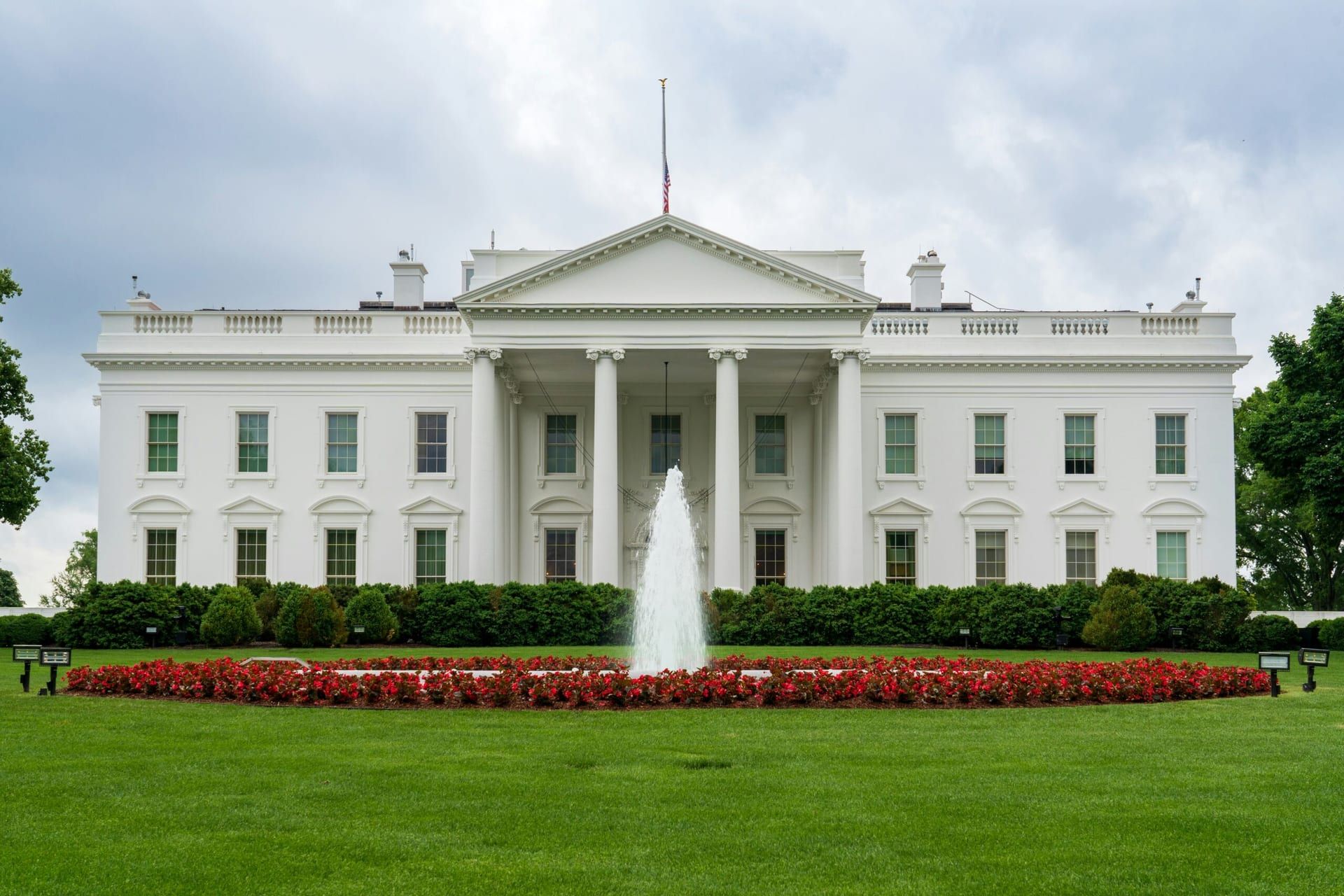
The White House recently launched a “Trump Effect” website that credits the current surge in corporate investment to tariff policies, highlighting multibillion-dollar initiatives in manufacturing and semiconductor production. It claims that tariffs imposed under the Trump administration fueled “historic” domestic investment—bolstering U.S. industries by redirecting global supply chains back to American soil.
But a Reuters investigation reveals that much of the capital touted on the site actually stems from initiatives dating back to the previous administration under President Biden—or initiatives unrelated to tariffs. Only about $2.6 trillion in projects are listed, of which roughly half predate Trump’s term or were already set in motion under Biden-era policies such as the CHIPS and Science Act. These include major investments by firms like LEGO, Hyundai, Corning, Roche, Merck, and Eli Lilly—projects officials were pursuing well before any new tariff measures.
Economic analysts caution that the “investment boom” narrative is more political spin than economic fact. Many of the White House’s marquee investment announcements—such as Apple’s $500 billion U.S. expansion and TSMC’s factory pledge—reflect ongoing or previously planned spending patterns, rather than sudden tariff-driven decisions. The Cato Institute observes that few of these investments have direct links to tariffs, and warns that firms typically overpromise, underdeliver, and cite tariffs opportunistically when aligning with politically favorable messaging.
State and local economic development leaders offer a more cautious assessment. According to Politico, many officials report that foreign direct investment has actually slowed amid policy uncertainty. Describing the climate as “like driving a car in the fog,” some note that while certain deals continue, their timelines have lengthened or they were already in development well before tariffs were flagged. Similarly, analysts suggest that volatile, wavering trade policy may deter the mid-sized firms pivotal to reshoring efforts .
Macroeconomic indicators add to skepticism. A Reuters report shows the S&P 500 has fallen around 4% since the new tariffs began, with investors voicing concerns about economic growth and inflation—factors that often accompany tariff policy. Economic forecasters warn that prolonged tariff uncertainty could suppress business investment more than stimulate it .
While the White House maintains that its supply-side strategy—employing tariffs alongside deregulation and tax cuts—is pushing a new wave of domestic investment, experts argue the approach lacks credible, transparent causation. They emphasize that long-standing investments, ambiguity in announcements, and policy volatility undermine confident attributions to tariff effects.
In conclusion, although U.S. corporate investment is indeed rising, attributing this swing directly to tariff policy appears to be a stretch. The lion’s share of prioritized projects were underway before the tariff surge, and many announcements reflected broader economic trends, not reactive pivots caused by tariffs. With uncertainty clouding future direction, analysts warn that inconsistent trade policy may pose a greater risk to sustained investment than support it.

CEO Times Contributor
Covers business, innovation, and leadership, with a particular interest in entrepreneurs and emerging brands.
This article features partner, contributor, or branded content from a third party. Members of the CEO Times editorial staff were not involved in the creation of this content. All views and opinions are those of the contributor alone.