
The Great Resignation Continues – CEOs Adapt to a Shifting Workforce

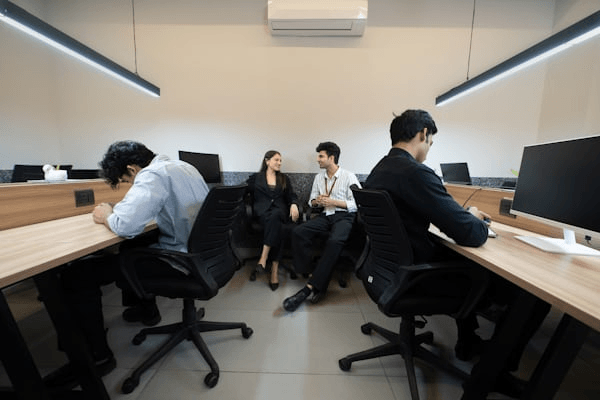
August 2022 marked the continuation of The Great Resignation, a trend where millions of Americans left their jobs in search of better opportunities, flexibility, and career fulfillment. This movement continued to disrupt industries across the U.S., with the labor market remaining in flux. CEOs faced mounting pressure to adapt quickly to the evolving workforce dynamics, implementing new strategies to retain talent, offer opportunities for upskilling, and reshape their company cultures to stay competitive. Leaders such as Elon Musk (Tesla) and Sundar Pichai (Google) navigated these challenges, working to strike a balance between attracting new talent and maintaining engagement with their existing employees.
The Ongoing Impact of The Great Resignation
The Great Resignation, which began in earnest in 2021, persisted throughout August 2022, continuing to affect businesses of all sizes. The pandemic had reshaped how people viewed work, with many reassessing their careers and seeking jobs that provided greater flexibility, better pay, or a more meaningful work-life balance. As millions voluntarily left their positions, industries like tech, healthcare, and hospitality struggled with high turnover rates and widespread vacancies.
With job seekers becoming more selective, companies found themselves competing for talent in an increasingly tight labor market. Employees weren’t just leaving for higher salaries—they were looking for more fulfilling work environments that allowed for growth and flexibility. This fundamental shift required CEOs to rethink how they approached talent management and employee satisfaction.
CEOs Confront the Talent Shortage
Elon Musk at Tesla and Sundar Pichai at Google were two of the prominent CEOs in August 2022 who had to balance the dual challenge of attracting top talent while also ensuring that their current employees remained engaged and satisfied.
Elon Musk and Tesla’s Talent Management Strategy
Tesla, under Musk’s leadership, found itself facing a unique challenge. As a global leader in electric vehicles and energy innovation, the company needed to secure top-tier talent, particularly in the highly competitive tech sector. Musk was vocal about his preference for in-office work, which stood in contrast to the remote work policies embraced by many other tech giants. While Tesla’s success remained strong, this stance sparked debate, as employees who had grown accustomed to working from home during the pandemic were reluctant to return to the office full-time.
Musk, however, understood that salary alone would not be enough to attract the top candidates in this new employment landscape. Tesla increasingly focused on upskilling its workforce by offering opportunities for employees to advance their skills, stay on top of emerging technologies, and contribute to the company’s growth. By prioritizing continuous learning, Tesla aimed to create an environment where employees could grow alongside the company, making them more likely to stay long-term.
Sundar Pichai and Google’s Emphasis on Flexibility
At Google, Sundar Pichai took a slightly different approach. As one of the largest and most well-established tech companies, Google had already built a reputation for its flexible and innovative workplace culture, offering benefits like remote work options, wellness programs, and career development opportunities. By August 2022, Google’s focus shifted to maintaining employee engagement while still navigating the complexities of a hybrid work model.
Google adopted a hybrid model that allowed employees to work both from home and in the office, recognizing that a one-size-fits-all approach no longer worked in the post-pandemic world. For Google, retention was not solely about competitive salaries—it was about employee well-being and offering clear growth paths. Pichai emphasized the importance of upskilling employees to ensure they could take on new roles within the company, making it a place where workers could build long-term careers. This focus on professional development and employee wellness helped Google maintain its status as an attractive employer during a time when many workers were leaving for more fulfilling roles.
Key Retention Strategies for CEOs
As the labor market continued to evolve, CEOs implemented several key strategies to improve retention and engagement.
1. Upskilling and Reskilling Initiatives
Companies increasingly recognized that their existing workforce needed opportunities to upskill or reskill in order to meet the demands of a rapidly changing job market. Programs that offered training in emerging technologies, leadership, and specialized skills became central to employee retention. Employees were no longer content with simply maintaining their current roles—they sought the chance to grow and develop new expertise within their current companies.
2. Flexible Work Environments
Workplace flexibility emerged as a critical factor in retaining talent. By offering hybrid or fully remote work options, companies were able to accommodate employees’ desire for a better work-life balance. This was particularly true for workers in the tech industry, where remote work had become a norm during the pandemic. Companies like Google were able to maintain productivity while offering their employees the flexibility to work from home, part-time, or in-office, depending on their preferences.
3. Employee Wellness and Mental Health Focus
Employee well-being, particularly mental health, became an area of growing importance in 2022. CEOs realized that employees needed more than just a paycheck—they needed support systems in place to cope with the stress of modern life. Companies that implemented mental health resources, stress management workshops, and additional time off saw increased employee satisfaction and a decrease in burnout rates. Mental health initiatives became a competitive advantage for businesses striving to keep their workforce engaged.
4. Creating a Positive Workplace Culture
Maintaining a positive, inclusive, and transparent workplace culture was another key strategy for retaining talent. Leaders like Musk and Pichai recognized that a strong sense of purpose and a culture of innovation were essential for keeping employees motivated. By prioritizing employee recognition, collaboration, and leadership transparency, CEOs were able to create work environments where employees felt empowered and valued.
Conclusion: Adapting to a Changing Workforce
By August 2022, The Great Resignation had significantly reshaped the American workforce. CEOs like Musk and Pichai faced new challenges but responded with innovative strategies focused on flexibility, growth, and well-being. As the labor market continued to evolve, companies that prioritized employee engagement, professional development, and work-life balance found themselves better positioned to retain top talent.
The workforce was no longer just looking for a paycheck—they wanted meaningful work, growth opportunities, and employers who valued their mental and physical well-being. For CEOs, the lesson was clear: adapting to the changing landscape meant evolving traditional business models, embracing flexibility, and prioritizing people over profit in the pursuit of long-term success.

CEO Times Contributor
Covers leadership, business strategy, entrepreneurship, and the people building innovative companies.
This article features partner, contributor, or branded content from a third party. Members of the CEO Times editorial staff were not involved in the creation of this content. All views and opinions are those of the contributor alone.