
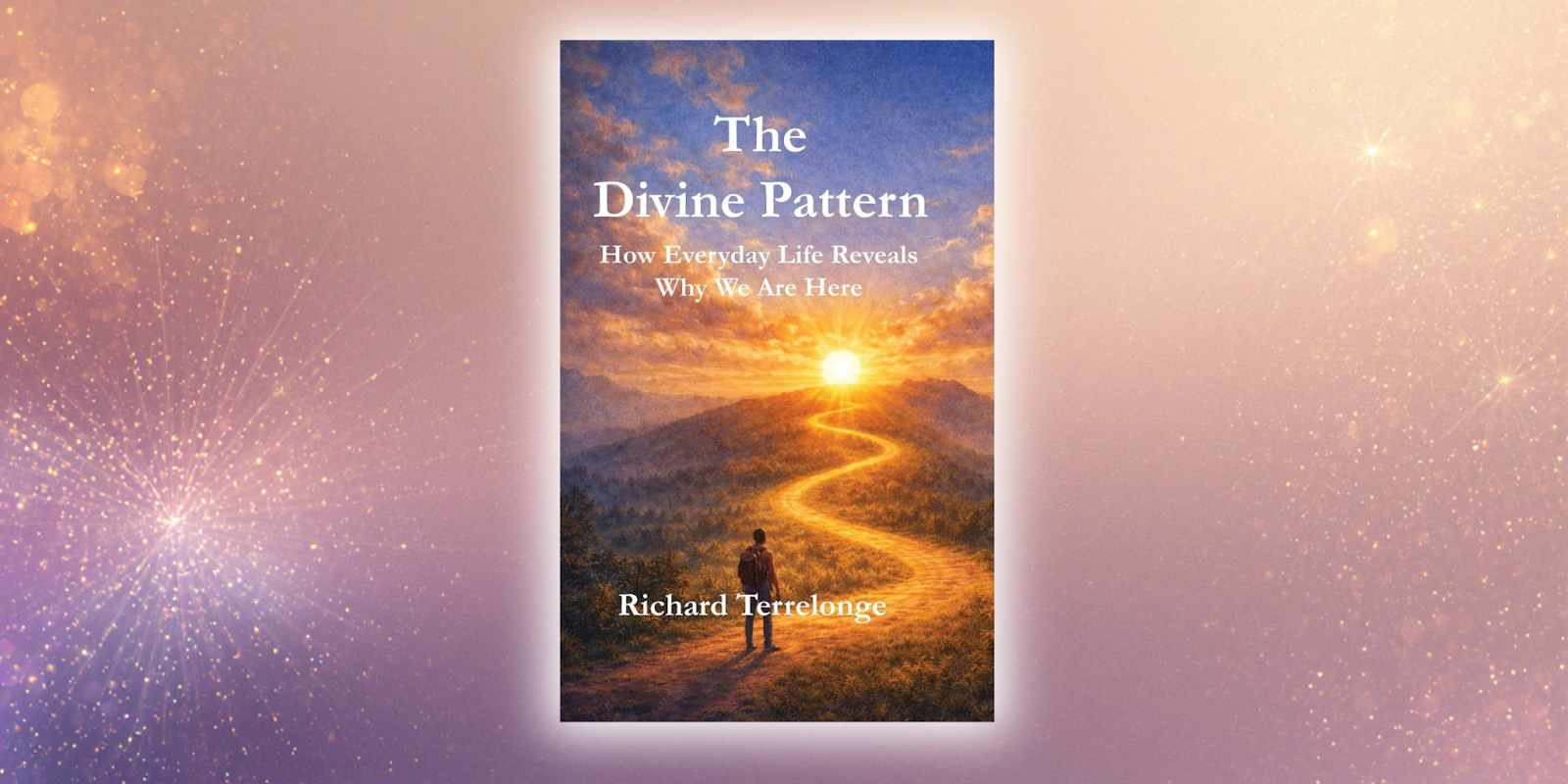
In “The Divine Pattern,” Richard Terrelonge invites readers to see the extraordinary within the ordinary, offering a profound invitation to transform our everyday perceptions into a journey of spiritual discovery.
It was a regular Sunday morning. The air was thick with the tropical humidity, a familiar hum of the church crowd’s nervous laughter mixed with the rustling of hymn sheets. In the midst of this ordinary scene, Richard Terrelonge had a thought. A cockroach scurried across the sanctuary aisle, but rather than dismissing it as a nuisance, Terrelonge paused. What if this seemingly insignificant moment was an invitation? What if the patterns that shape our lives, the very ordinary things we overlook, are pointing us toward a deeper purpose?
“The Divine Pattern” is a book that does not shout spiritual truth at its readers but gently nudges them into awareness. Terrelonge invites us to stop, pay attention, and reexamine the details we so often dismiss. What if our restlessness, our yearning for meaning, is not a flaw but a clue? Could our everyday irritations, like a cockroach in church, be guiding us to something greater? The answers are subtle, woven through the fabric of daily life, waiting to be uncovered by those willing to look beyond the surface.
A Spiritual Awakening Through Ordinary Moments
Terrelonge’s approach to spirituality is grounded not in lofty ideals or mystical visions but in the here and now. In “The Divine Pattern,” he begins with the mundane: the sounds of a tropical morning, the discomfort of an uncomfortable chair, the unexpected interruptions that come with daily life. Rather than dismissing these as trivial distractions, he invites readers to look more closely.
It’s easy to overlook the small moments that form the backdrop of our lives. But Terrelonge reminds us that within these moments lies a deeper story. The cockroach in the aisle is not just a nuisance; it is a mirror. It reflects something about the human heart, that deep-seated restlessness that longs for more than survival, more than mere existence. This book challenges us to see beyond the surface—to recognize the sacred patterns woven into the fabric of our everyday existence.
As we journey through the pages of “The Divine Pattern,” Terrelonge seamlessly moves between humor and awe, science and scripture, personal anecdotes and global responsibility. He believes that the divine is not reserved for rare moments of transcendence; rather, it is embedded in the patterns of everyday life. Whether it’s in the quiet rhythm of nature, the bustling of a city, or the hum of a community gathering, there are glimpses of the divine if we only learn to recognize them.
The Call to Pay Attention
Terrelonge’s message is simple, yet profound: Pay attention. He believes that our lives are speaking to us more clearly than we realize. The longing we feel, the grief we carry, and the moments of awe we experience are not random occurrences but part of a divine curriculum, inviting us to grow, transform, and connect more deeply with our purpose.
At the heart of “The Divine Pattern” is the idea that spirituality is not an abstract concept, but something that should be lived and experienced in our day-to-day actions. It is not about seeking extraordinary experiences but learning to see the extraordinary in the ordinary. As Terrelonge writes, “The divine is not found in rare experiences, but embedded in patterns woven through everyday life.”
He takes us on a journey, starting with his own personal experiences. From a young man in New York, unexpectedly undone by sacred music, to a seeker of truth, Terrelonge’s life has been shaped by a series of moments that, upon reflection, reveal a greater pattern. The book is not just a collection of personal stories but a call to engage deeply with life, to question assumptions, and to challenge the way we see the world.
Challenging Assumptions and Embracing Critical Thinking
One of the most striking aspects of “The Divine Pattern” is Terrelonge’s approach to critical thinking. He does not ask us to abandon reason or blind ourselves to the complexities of life. Instead, he encourages readers to think more deeply, to question more honestly, and to resist the comfort of inherited assumptions. Faith, he suggests, is not a blind acceptance of tradition but a courageous journey of discovery, one that is built upon careful thought and reflection.
In an era where spiritual teachings often seem to be either too simplistic or overly complicated, Terrelonge brings a refreshing balance. He respects the need for deep thought, not as a threat to faith but as one of its most valuable companions. “The Divine Pattern” does not shy away from the difficult questions but invites readers to wrestle with them, knowing that truth is often costly but always worth pursuing.
Spirituality Grounded in Action
What sets “The Divine Pattern” apart from other spiritual books is its insistence on grounding spirituality in practical, everyday actions. It’s not enough to think about spirituality; it must be lived. Terrelonge brings spirituality back to the ground—back to the everyday challenges of forgiveness, leadership, and purpose.
For Terrelonge, spirituality is not about retreating from the world but engaging with it more fully. It’s about recognizing the divine in the small acts of service, in the moments of self-reflection, and in the ways we treat one another. The book’s call is clear: If God is truly present, how does it change the way we live? How we treat each other? How we steward the world around us?
The book asks readers to consider the implications of these questions seriously. Spirituality, Terrelonge argues, should not be a passive exercise. It should shape the way we live, act, and interact with others. We are not called to passively accept the status quo, but to transform it. We are co-creators of the world around us, and the patterns we choose to follow will determine the course of our lives and our communities.
An Invitation to Transform
“The Divine Pattern” is not a book that demands agreement. It does not ask readers to accept everything presented within its pages. Instead, it offers an invitation to see the world with fresh eyes, to recognize the divine patterns that are woven into the very fabric of our lives. Whether it’s the mundane moments that fill our days or the deeper questions that stir in our hearts, Terrelonge encourages us to pay attention. Our lives are speaking to us—are we listening?
By the end of the book, readers are left with a quiet but powerful challenge: To consider that their boredom, longing, wonder, grief, and curiosity are more than mere noise. They may be part of a greater curriculum, pointing us toward something deeper, something sacred. The invitation is simple, yet profound: Pay attention. Your life may be speaking to you more clearly than you think.
Discover more about “The Divine Pattern” and explore how everyday life holds sacred lessons waiting to be uncovered.
Click here to explore “The Divine Pattern” on Amazon.
For inquiries, contact Richard Terrelonge at [email protected].