Starbucks Shakes Up Leadership After Sluggish Performance and Investor Pressure

Starbucks, the global coffeehouse giant, has undergone a major leadership overhaul following a disappointing financial quarter that alarmed investors and rattled its board. The company reported earnings that fell short of market expectations, triggering a significant decline in its stock price. These setbacks intensified internal concerns about the strategic direction and execution under CEO Laxman Narasimhan, who had been appointed less than a year earlier.
The company’s second-quarter results revealed slower-than-expected revenue growth and waning same-store sales, particularly in key markets such as China and the United States. Rising operational costs and weaker consumer demand contributed to the underperformance. Analysts pointed to a lack of innovation in product offerings and insufficient adaptation to post-pandemic customer behaviors as central issues. The results caused Starbucks’ shares to plummet, wiping out billions in market capitalization and sparking debate among shareholders and senior executives.
By June, the board initiated a series of closed-door discussions about the company’s leadership. Concerns mounted over Narasimhan’s ability to navigate the increasingly complex consumer landscape and rejuvenate the brand. After extensive deliberations, the board made the decision to terminate Narasimhan’s tenure. The company moved swiftly to identify a successor with a proven track record of steering a consumer-facing brand through challenging economic environments.
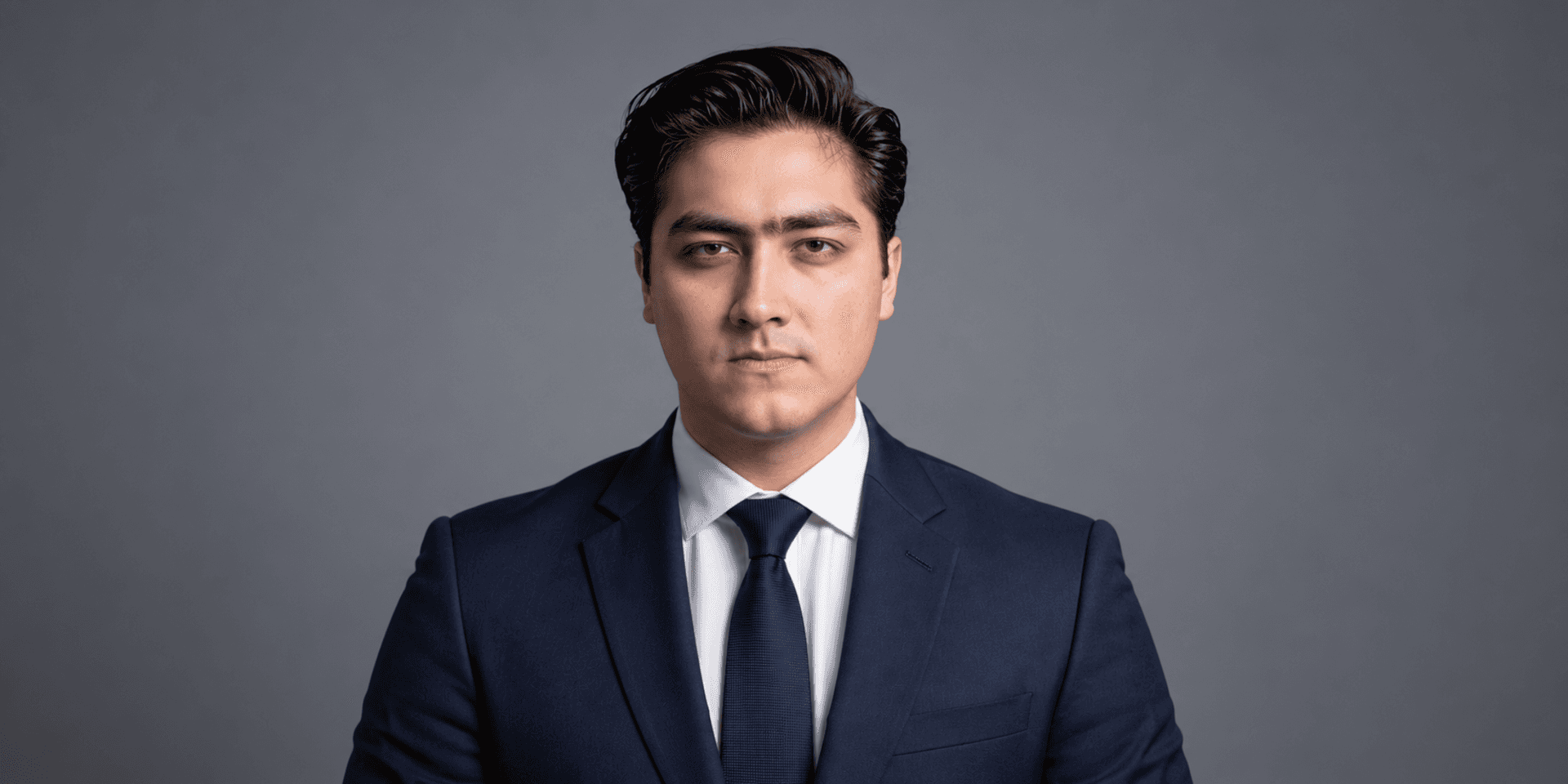
Brian Niccol, the highly regarded CEO of Chipotle Mexican Grill, emerged as the leading candidate. Known for revitalizing Chipotle through digital innovation, menu diversification, and operational efficiency, Niccol was seen as an ideal fit to steer Starbucks back to growth. After careful negotiations, Niccol agreed to take the helm and was officially appointed in August.
Niccol’s appointment was met with enthusiasm across Wall Street. Investors responded positively, with Starbucks’ shares rebounding by 25% in the weeks following the announcement. Market analysts credited the surge to renewed confidence in Starbucks’ future under Niccol’s leadership, highlighting his successful turnaround of Chipotle and his reputation for executing bold, strategic initiatives.
As Starbucks enters a new chapter, expectations are high for Niccol to reinvigorate the brand, enhance digital engagement, and realign the company’s global strategy. With consumers shifting preferences and economic headwinds persisting, Starbucks’ leadership transition marks a pivotal moment in its journey to reclaim market dominance and shareholder trust.

CEO Times Contributor
Covers leadership, business strategy, entrepreneurship, and the people building innovative companies.
This article features partner, contributor, or branded content from a third party. Members of the CEO Times editorial staff were not involved in the creation of this content. All views and opinions are those of the contributor alone.