Seamless Transformation: How Large Organizations Can Change Without the Chaos

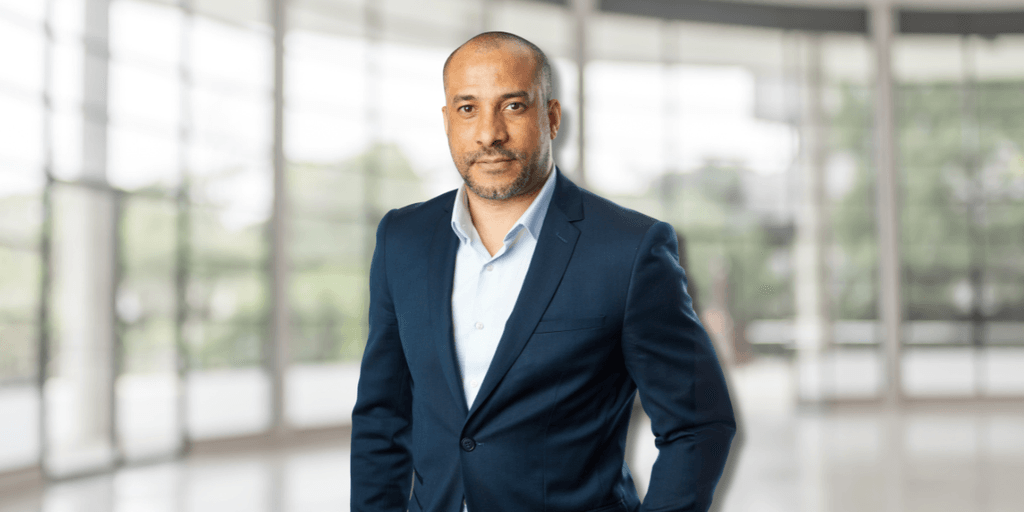
Noureddine Oirkha is a Strategy & Transformation Leader with 15+ years guiding global modernization through tech and governance.
When leaders hear the words “digital transformation,” their first reaction is often caution. They imagine programs running over budget, employees resisting new systems, and services breaking down in the middle of implementation. Change, in many executives’ minds, equals disruption.
But transformation does not have to be turbulent. In fact, the most successful large-scale transformations are often described as “non-eventful.” People notice the benefits, but they do not feel the disruption.
Over the past 15 years, Noureddine Oirkha worked with governments and enterprises across Canada, Europe, and the Middle East to lead modernization initiatives in areas as complex as national transportation, housing, and financial systems. Each case reinforced the same lesson: scale does not have to mean chaos. When transformation is anchored in governance, alignment, and trust, it can be experienced as progress rather than upheaval.
Why Most Transformations Fail
When organizations stumble in their digital journeys, it is rarely because the technology failed. More often, it is because leaders focused on the tools instead of the governance that supports adoption.
Without clear decision-making, risk management, and alignment with organizational goals, even the best platforms become expensive frustrations. Transformation requires more than project delivery, it requires a leadership approach that bridges strategy and execution.
This is where many leaders underestimate the complexity. They invest in technology but neglect the frameworks that make technology usable, trusted, and aligned with purpose.
Oirkha’s Philosophy: Seamless Transformation
Oirkha’s guiding philosophy is rooted in the belief that “change should feel natural, not disruptive.” While the process isn’t always easy, he insists that discipline, governance, and clarity at every stage of transformation are critical to ensuring that the benefits are realized with minimal disruption.
That doesn’t mean it’s easy , on the contrary, it requires discipline, governance, and clarity at every stage. But when the right structures are in place, transformation becomes less about “surviving the change” and more about “realizing the benefits.”
This philosophy has guided his work across sectors and geographies. Whether the goal was to modernize citizen services in the public sector or optimize operations in large enterprises, the aim was always the same: deliver transformation in a way that builds trust and reduces disruption.
The Future of Transformation: Three Critical Questions
Looking ahead, Oirkha encourages leaders to ask themselves three key questions for sustainable transformation:
- How do we ensure AI adoption is matched with AI governance? AI has the power to reshape industries, but without ethical oversight, it risks undermining trust.
- What will make our systems resilient for the next decade? While efficiency is vital, resilience ensures that organizations can adapt to future crises, regulatory changes, and emerging risks.
- Are we designing for people, not just processes? In both the public and private sectors, the goal is to design services that build trust and help employees, customers, and citizens experience transformation as progress.
A Global Perspective, Tailored Locally
One advantage of working across diverse regions is seeing how different contexts require different approaches. What works in Canada may not work in the Middle East, and what succeeds in Europe may not fit North America.
The key is not to copy global best practices, but to adapt them. Transformation succeeds when it is tailored to local realities, yet still informed by global insights. This balance ensures solutions are innovative while remaining relevant and practical.
What Leaders Should Remember
For boards, and executives considering transformation leaders, the differentiator is no longer technical knowledge alone. It is the ability to bridge strategy and execution, align stakeholders, and make change seamless.
Transformation leadership today is about trust: trust in the governance that underpins technology, trust in the systems that carry critical operations, and trust in the leaders who guide organizations through complexity.
The organizations that thrive in the digital economy will not be those that adopted the most technologies the fastest. They will be those that learned how to transform without disruption, how to innovate without chaos, and how to build systems that last
For more information on how to achieve seamless transformation within your organization, visit Noureddine Oirkha’s LinkedIn.

CEO Times Contributor
Covers leadership, business strategy, entrepreneurship, and the people building innovative companies.
This article features partner, contributor, or branded content from a third party. Members of the CEO Times editorial staff were not involved in the creation of this content. All views and opinions are those of the contributor alone.