
Moderna CEO Stéphane Bancel Pushes Cancer Vaccine Vision into Reality

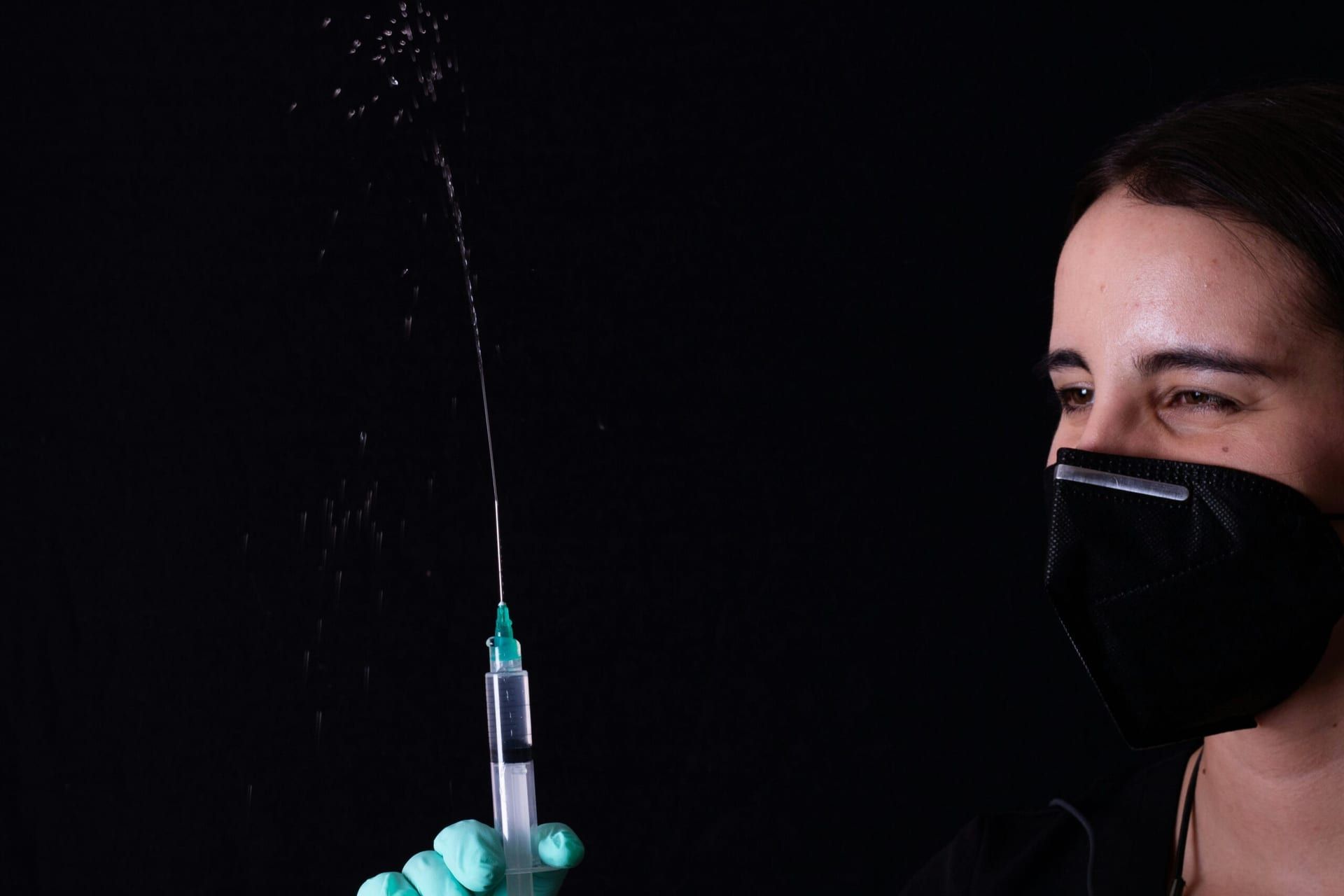
At the STAT Health Summit on May 10, 2025, Moderna’s CEO Stéphane Bancel underscored the company’s bold pivot from pandemic-era success to long-term oncology ambition. He announced that Phase 3 clinical trials are currently underway for mRNA-based cancer vaccines targeting melanoma and non-small cell lung cancer (NSCLC), citing highly promising early data.
Bancel affirmed that Moderna and partner Merck have entered pivotal Phase 3 trials for their personalized cancer vaccine, mRNA-4157 (also known as V940), in melanoma following surgical resection—and that a lung cancer study has also been initiated. He emphasized that, unlike traditional drugs, this platform enables bespoke therapies: tumors are sequenced, mutated proteins identified, and custom mRNA vaccines created to train the immune system to recognize and destroy residual cancer cells.
Early clinical results, including those from the Phase 2b KEYNOTE-942 trial, support these ambitious efforts. In melanoma patients who received the mRNA vaccine in combination with Merck’s Keytruda, the risk of recurrence or death dropped by about 49% at three years compared with Keytruda alone. These durable outcomes have already earned the vaccine breakthrough designations and PRIME status from regulators.
Bancel stressed that the vaccine’s strong efficacy in early studies signals a transformative opportunity for personalized oncology. He clarified that mRNA cancer vaccines represent a distinct evolution from the company’s COVID-era mRNA work, and that Moderna is expanding its pipeline beyond melanoma and lung cancer into other tumor types
However, he also acknowledged real-world challenges: personalized vaccine production currently requires eight weeks from biopsy to injection, and scale-up of manufacturing and sequencing infrastructure is essential to meet future demand . To address this, Moderna is investing heavily in new facilities—such as a $322 million manufacturing plant in Massachusetts—aimed at streamlining production timelines and capacity.
Analysts at the summit praised Moderna’s shift as emblematic of a broader biotech trend, with mRNA vaccines emerging as potent tools across multiple therapeutic contexts. Industry observers note that while the high cost and complexity of personalized vaccines remain hurdles, the marked improvement in relapse-free survival for melanoma patients offers real hope.
Critics remind that not all cancers are as genetically mutable as melanoma, raising questions about how broadly this approach can be applied . But a growing consensus suggests Moderna is well-positioned. With melanoma and lung cancer trials already in Phase 3, Bancel indicated regulatory filing could begin as early as 2025—likely via accelerated pathways.
Bancel also looked ahead, outlining plans to combine the cancer vaccine with liquid biopsy diagnostics, aiming for earlier detection and even more tailored treatment regimens.
Moderna’s transformation, from a maker of a globally impactful COVID-19 vaccine to a pioneer pushing personalized mRNA technology into cancer care, underscores the enduring potential of its platform. If Phase 3 trials confirm the efficacy observed to date and manufacturing scales effectively, personalized mRNA cancer vaccines could herald a new therapeutic paradigm and cement Moderna’s status as a long-term biopharma innovator.

CEO Times Contributor
Covers leadership, business strategy, entrepreneurship, and the people building innovative companies.
This article features partner, contributor, or branded content from a third party. Members of the CEO Times editorial staff were not involved in the creation of this content. All views and opinions are those of the contributor alone.